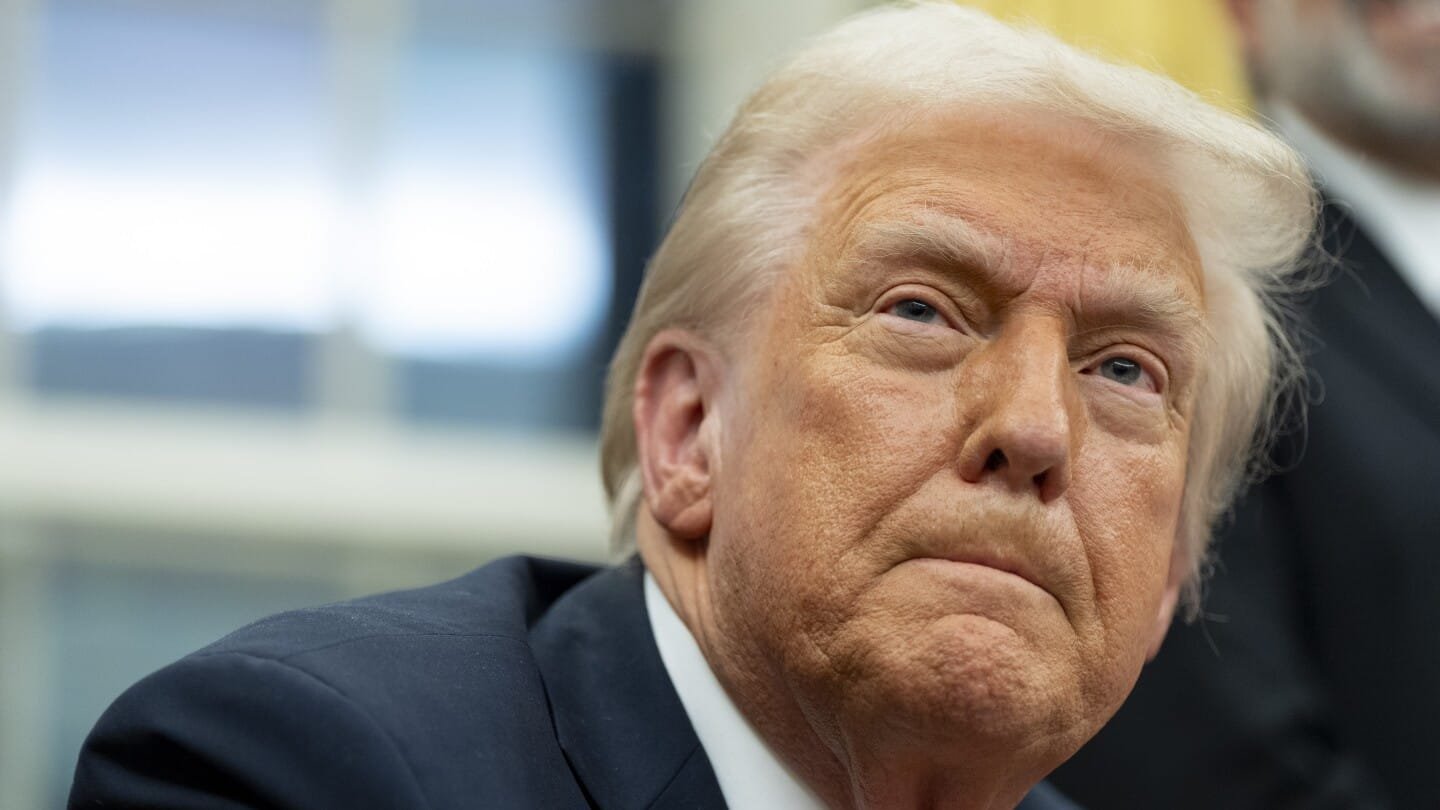
DUBAI, United Arab Emirates (news agencies) — On his trip this week to the Middle East, U.S. President Donald Trump will visit Saudi Arabia, Qatar and the United Arab Emirates, though his most pressing regional challenges concern two other countries: Israel and Iran.
After ending a ceasefire two months ago, Israel is intensifying the war in the Gaza Strip, where a blockade on food, medicine and other supplies is worsening a humanitarian crisis. And Iran, an enemy of Israel and a rival of Saudi Arabia, stands on the cusp of being able to develop nuclear weapons.
Yet Trump will focus his attention on three energy-rich nations home to existing or planned Trump-branded real estate projects — places where he aims to leverage American economic interests to do what he personally revels in: making business deals.
“This is his happy place,” said Jon B. Alterman, a senior vice president at the Washington-based Center for Strategic and International Studies. “His hosts will be generous and hospitable. They’ll be keen to make deals. They’ll flatter him and not criticize him. And they’ll treat his family members as past and future business partners.”
But Trump won’t be able to avoid altogether diplomacy on Gaza or Iran: The Gulf countries hosting him are also interested in easing the regional tensions that emanate from these two places.
“Trump can easily score a win by reassuring them of America’s strategic commitment to the region, demonstrating consistent messaging and generally rising above the fray,” analysts Elizabeth Dent and Simon Henderson of the Washington Institute for Near East Policy wrote Friday.
By not scheduling a trip to Israel during his first trip to the region during his second term as president, Trump is reinforcing a feeling in Israel that its interests may not be top of mind for him.
That sense intensified last week, when Trump announced that the U.S. would halt its strikes on the Houthis, an Iran-backed rebel group in Yemen that agreed to stop its attacks on American vessels in the Red Sea.
The Houthis’ attacks on Israel did not appear to be covered by that deal, which came as a surprise to Israel, according to an Israeli official who spoke on condition of anonymity to discuss a sensitive diplomatic issue. Days after the deal between the U.S. and the Houthis — and despite a two-day Israeli assault on Houthi targets — a missile from Yemen again set off air raid sirens in Israel. Then Israel’s military warned Sunday that Houthi-controlled ports in Yemen could be targeted again.
Trump’s move to launch negotiations with Iran over its nuclear program also jarred Israel, which fears a deal that would not be strict enough to prevent Iran from obtaining a nuclear weapon or rein in its support for regional militant groups.
Israel had hoped that Trump might provide military assistance in any strike it carried out on the country’s nuclear facilities — an action that is unrealistic so long as there are negotiations, or if they reach a deal.
That has raised questions in Israel over Trump’s reliability on other major issues, like a long-sought normalization deal with Saudi Arabia as part of any defense pact the administration may reach with the kingdom. Saudi Arabia has said it would only normalize ties with Israel in exchange for significant concessions for the Palestinians toward statehood, something the current Israeli government is unlikely to agree to.
Israel has said it will hold off on expanding the war in Gaza until after Trump’s visit, leaving the window open for a new ceasefire deal to materialize. And while Hamas and Trump announced that the last living American hostage in Gaza, Edan Alexander, will be freed as part of efforts to establish a ceasefire, it is not clear what involvement Israel had in that deal.
Still, Trump has given Israel free rein in Gaza and, like Israel, blames Hamas for any civilian casualties.
U.S. Ambassador to Israel Mike Huckabee played down any significance to Trump’s decision not to visit the country, saying in interviews with Israeli media that his visit to the region was focused on economic issues.


 United Arab Emirates Dirham Exchange Rate