
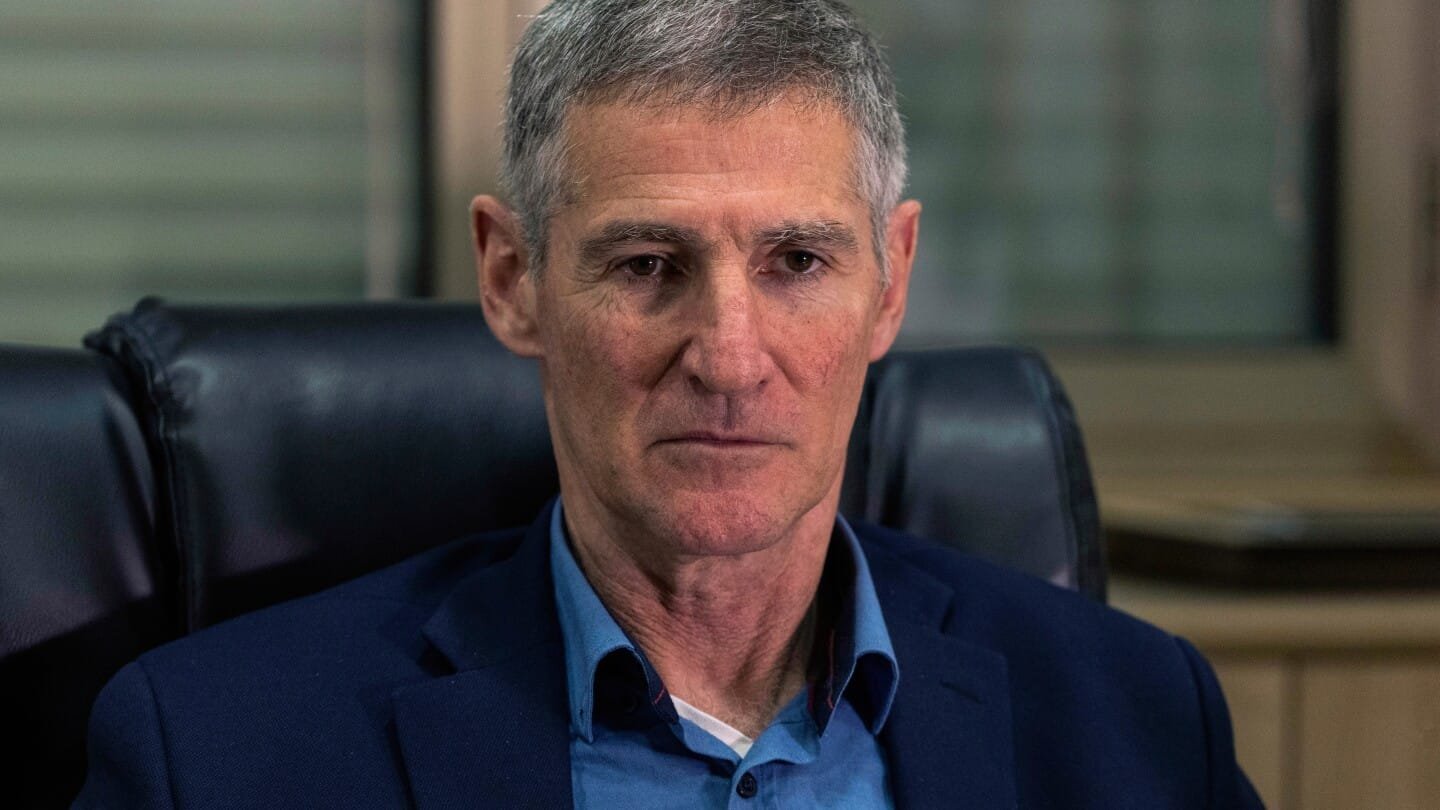
TEL AVIV, Israel (news agencies) — Killing babies “as a hobby.” “Expelling a population.” “Fighting against civilians.”
It is some of the harshest language against Israel’s wartime conduct in Gaza and it came this week from a prominent Israeli politician, sparking a domestic uproar as the country faces heavy international criticism.
It is not uncommon for politicians to criticize Prime Minister Benjamin Netanyahu’s war strategy, especially his failure to free all the hostages held by Hamas. What made the comments by center-left opposition party leader Yair Golan rare – and jarring to officials across the political spectrum — was their focus on the plight of Palestinians.
The ensuing controversy underscored how little the war’s toll on Gaza’s civilians has figured into the public discourse in Israel — in stark contrast to the rest of the world.
Speaking to the Israeli public radio station Reshet Bet, Golan — a former general — said Israel was becoming a pariah state and cautioned that “a sane country doesn’t engage in fighting against civilians, doesn’t kill babies as a hobby and doesn’t set for itself the goals of expelling a population.”
After the outcry, he said he was referring to the conduct of Israel’s far-right government in his remarks, not of its soldiers.
Golan’s words were a shock to the system because, outside of the country’s politically marginalized left, criticism focused on Palestinian civilian suffering and deaths has rarely been spoken publicly in Israel.
The reasons for this include: the trauma Israelis still feel over Hamas’ deadly attack on Oct. 7. 2023, Jewish citizens’ deep faith in the righteousness of the military, dozens of hostages remain in Gaza and soldiers are dying to rescue them.
Criticism of the war has focused overwhelmingly on Netanyahu. His opponents believe his own political motives have dictated war strategy and his failure to reach a deal with Hamas to release all the hostages — an accusation he denies.
“Part of the Israeli public and media outlets are still trapped in an obsession over the initial shock that started this war,” said Ehud Olmert, a former prime minister and fierce critic of the current government. “But this is changing and it’s just a matter of time.”
Public opinion polls show that most Israelis support ending the war in exchange for the release of the remaining 58 hostages held by Hamas, around a third of whom are said to be alive.
Opponents of the war have tended to focus on concerns over the fate of the remaining hostages and the risk of soldier casualties in a campaign that many feel has run its course.
While Olmert disputed Golan’s choice of words, he said the essence of his remarks “reflects what many people think.”
After Hamas’ 2023 attack, in which 1,200 people were killed and 251 taken hostage, Israelis rallied behind the military. They saw the war as a just response to the deadliest attack in Israel’s history. Many Israelis cannot imagine a future where Hamas remains intact.
Israel’s retaliatory war in Gaza has killed more than 53,000 people, mostly women and children, according to local health authorities, whose count doesn’t differentiate between combatants and civilians. The fighting has displaced 90% of the territory’s roughly 2 million population, sparked a hunger crisis and obliterated vast swaths of Gaza’s urban landscape.



 United Arab Emirates Dirham Exchange Rate