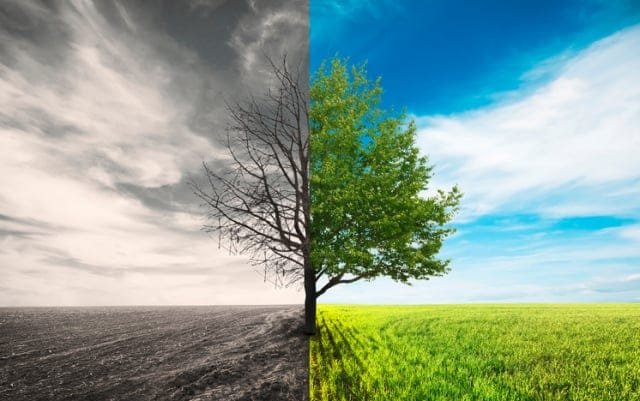
The World Bank has warned that if trends continue, climate change could shrink Pakistan’s GDP by 18–20% by 2050. This is not a distant danger but an economic emergency.
By Ghulam Haider
The climate crisis is not a distant threat for Pakistan — it is a present and punishing reality. Despite contributing less than one percent to global greenhouse gas emissions, Pakistan is among the most climate-vulnerable nations in the world. Environmental disruptions — from glacial melt to heatwaves and erratic rainfall — have become structural and systemic.
The economic cost of climate change is rising fast, particularly in the agricultural sector, the backbone of Pakistan’s economy. Climate-induced damage — from shrinking crop yields and livestock losses to the disappearance of native bird habitats — is inflicting a financial toll that could soon outpace the country’s already overburdened fiscal system.
Pakistan exemplifies the cruel arithmetic of climate change. Each year, climate disasters and environmental degradation cost the country $3–14 billion, a staggering burden for an economy in crisis. The 2022 super floods, which caused over $40 billion in damages, were not an anomaly but a preview of a future where extreme weather becomes routine. Agriculture is withering under erratic rainfall, soaring temperatures, and worsening water scarcity. Infrastructure is overwhelmed; health systems buckle under disease outbreaks; and whole communities are pushed into poverty as crops fail and livestock perish.
The World Bank has warned that if trends continue, climate change could shrink Pakistan’s GDP by 18–20% by 2050. This is not a distant danger but an economic emergency.
Senator Sherry Rehman has called for an environmental emergency, noting Pakistan topped the Climate Risk Index (CRI) in 2022, followed by Belize and Italy. The CRI ranks countries by the human and economic toll of extreme weather. Sharing the report, Rehman wrote on X (formerly Twitter) that the report “should serve as a huge wake-up call.”
“It would be wrong to say we’re in the top 10 — unfortunately, we are number one,” she said, citing a sharp rise in stormy rains, hailstorms, and glacier melt. She urged for policy reforms, international aid, and environmental justice, asking why low-emission countries like Pakistan bear the cost of the industrialized world’s carbon addiction.
Agriculture in the crosshairs: Pakistan’s GDP growth for 2025 was recently revised down to 2.68%, far from the projected 3.6%. Agriculture — contributing nearly 20% of GDP and employing 38% of the labor force — is the most exposed to climate impacts. Erratic rains, dry spells, and extreme temperatures threaten food security and the livelihoods of millions.
Wheat, a staple, suffers from warmer winters and shorter springs, reducing its growing season. In Punjab, per-acre yields are declining. PARC estimates a 12–15% drop in wheat yields over the next decade if warming continues.
Rice, a major export, faces pest surges and depends on steady water supplies — now disrupted by delayed monsoons and shrinking canals. Sowing delays affect yield quality and volume.
Cotton, or “white gold,” has seen a 35% output drop in FY 2022–23. Excessive rain and pest attacks during boll formation stages have devastated crops, impacting the textile industry, which makes up over 60% of export revenue.
Sugarcane, a water-intensive crop, faces escalating cultivation costs as groundwater declines and canal water becomes unreliable. Many farmers are abandoning it or passing costs to consumers—fueling inflation.
Pulses, reliant on moderate rainfall, are suffering in arid areas like Tharparkar and southern Punjab, where droughts have rendered cultivation unviable. This is alarming for poor households who depend on pulses as a protein source.
Mangoes, a prized export, flower too early due to unseasonal warmth, disrupting pollination and fruit quality. A University of Agriculture Faisalabad study reports 20–30% production declines in Punjab and Sindh.
Citrus and lemons, grown mainly in central Punjab, face fungal diseases and disrupted maturation cycles, reducing export competitiveness and hurting orchard owners.
Livestock an overlooked casualty: Livestock accounts for nearly 60% of Pakistan’s agricultural GDP. Yet it’s often ignored in climate discussions. In southern Pakistan, heatwaves are killing animals, reducing milk yields and threatening household nutrition and income.
In Balochistan and interior Sindh, goats and sheep are perishing due to chronic water scarcity and degraded grazing lands. Starvation and disease are common. Moreover, climate-sensitive diseases like foot-and-mouth, hemorrhagic septicemia, and tick-borne infections are surging due to warmer, more humid conditions.
Livestock is a vital financial cushion for smallholder farmers. The death of a single animal can push a household into poverty. Yet, national policies still lack heat-resilient shelters, drought-tolerant fodder, or sufficient veterinary care. Without urgent adaptation, the rural economy will remain deeply vulnerable.
Biodiversity and bird habitats in retreat: Avian diversity in wetlands and forests is under siege. Migratory birds are increasingly skipping Pakistan due to degraded habitats. Reduced inflows into wetlands like Haleji and Manchar are pushing birds away. The decline affects ecological balance and undermines eco-tourism, which could provide rural income.
Poultry, a growing segment, also suffers. High temperatures — especially during power outages — lead to broiler chicken deaths, disrupting food supply and peri-urban employment.
Water scarcity the looming specter: Pakistan is on the edge of a water crisis, classified as “water-stressed” and nearing “water-scarce” status, with per capita availability below 1000 cubic meters. Glacial melt temporarily boosts river flows but jeopardizes long-term availability. Rainfall is erratic—shorter monsoons, longer dry spells. Canal irrigation, once reliable, is now vulnerable to upstream politics and poor downstream management.
These shifts disrupt sowing schedules, forcing farmers to choose between costly tube wells or abandoning farming—both with devastating economic impacts.
Twin disasters of floods and fires: In 2022, Pakistan endured historic floods, submerging one-third of the country and displacing 33 million people. Damages totaled over $40 billion, devastating crops, livestock, and infrastructure. Flash floods, once rare, are becoming routine as global temperatures rise.
At the other extreme, wildfires are increasing. In KP and Balochistan’s forests, rising temperatures and dry conditions are triggering spontaneous blazes. In 2023 alone, Islamabad’s Margalla Hills saw over 100 fire incidents, linked to climate change.
The invisible costs: The price of climate change in Pakistan isn’t limited to crop loss or infrastructure damage. It includes opportunity costs, degraded ecosystems, damaged public health and the collapse of rural livelihoods. Every year without decisive action deepens the socioeconomic divide and leaves the country more exposed.
A comprehensive strategy is urgently needed. This includes investing in climate-resilient agriculture such as drought-resistant seed varieties and smarter irrigation systems and building water storage infrastructure to manage glacial melt and erratic rainfall. Strengthening early warning systems for floods and fires is also mandatory while incentivizing crop diversification and reforestation efforts would address the climate threat.
International financing, especially under the Loss and Damage Fund, to compensate Pakistan for the economic toll imposed by climate change are also the need of hour. Pakistan stands at a climate crossroads. The cost of inaction is growing heavier by the year. Without decisive policy shifts and international cooperation, the country risks a future where climate shocks become unmanageable, and economic recovery remains a perpetual mirage.
Pakistan’s experience is a harsh reminder that climate injustice is real. The world must recognize that developing countries cannot be left to weather the storm alone. For Pakistan, climate change is not a future threat — it’s a current catastrophe, demanding immediate international support, national adaptation, and above all, environmental justice.





 United Arab Emirates Dirham Exchange Rate