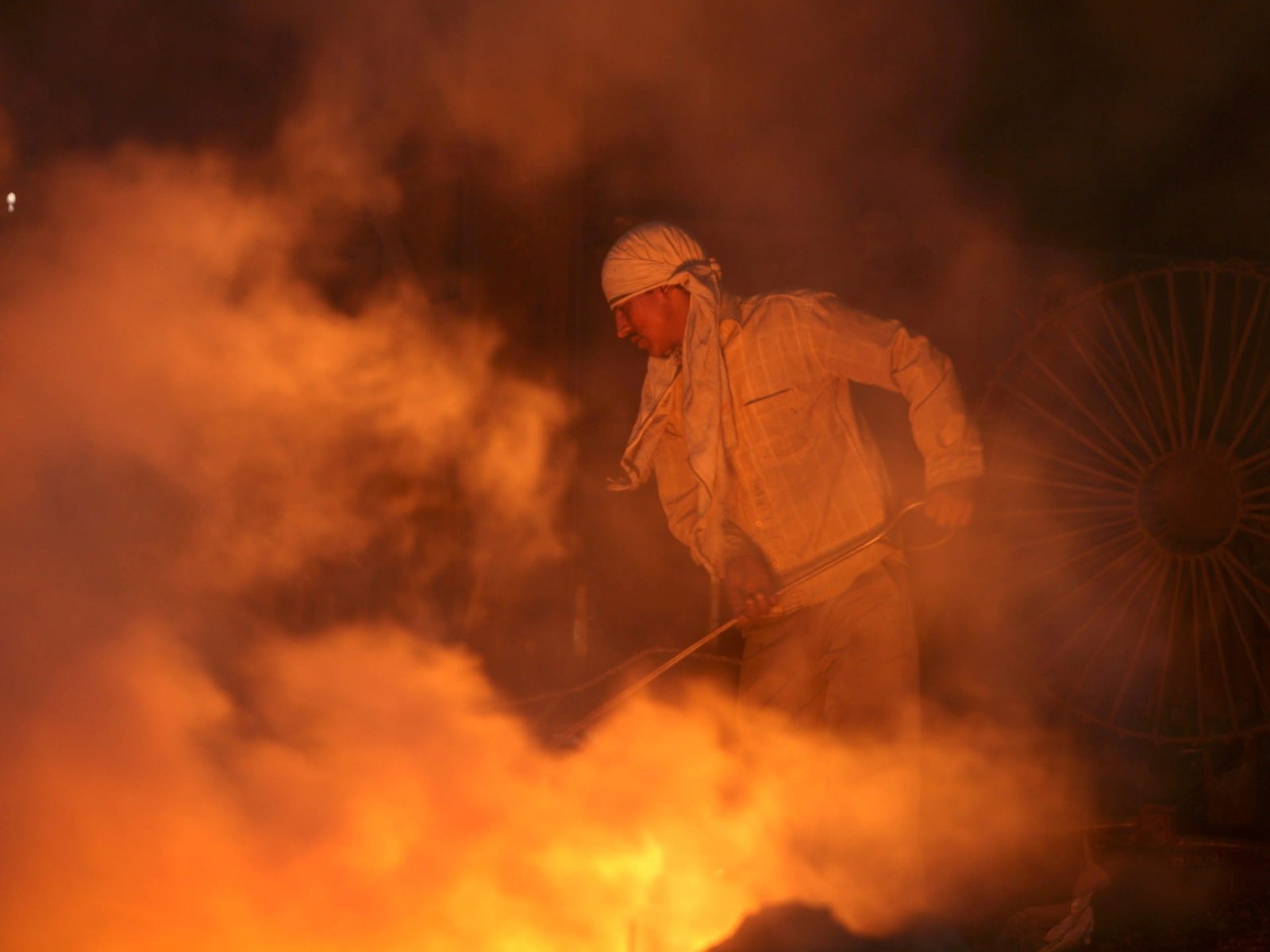
Kolkata, India — For the past several years, the United States has been a major market for Aditya Garodia to export more than 100 items of steel derivatives like fasteners from his factory in West Bengal state in eastern India.
But ever since US President Donald Trump took office and unleashed a range of tariffs – 25 percent on steel and aluminium initially, as well as standalone country tariffs – global markets have been on edge, creating significant uncertainty for businesses across sectors.
Garodia, director of Corona Steel Industry Pvt Ltd, told media that as a result of the tariffs, clients have slowed picking up their orders, delaying payments by a month on average, while business in general has slowed as customers adopted a wait-and-watch policy.
When Trump announced that he was doubling tariffs on steel and aluminium to 50 percent from June 4, it was “like a nail in a coffin”, Garodia said, as nearly 30 percent of orders were cancelled. “It is difficult for the market to absorb such high tariffs.”
Demand in the domestic market has also been low because of competition from cheaper Chinese products, he said, adding their future depends on India negotiating a lower tariff for its exports to the US than its competitors.
Last year, India exported $4.56bn worth of iron, steel and aluminium products to the US.
During his first term, Trump in 2018 imposed tariffs of 25 percent on steel and 10 percent on aluminium under Section 232 of the Trade Expansion Act of 1962, citing national security concerns. But certain businesses had managed to escape, as there were no tariffs on finished products.
But on February 10, 2025, he announced 25 percent tariffs on steel and aluminium, including derivatives – or finished products – and removed all exemptions.
Ajay Srivastava, founder of Global Trade Research Initiative (GTRI), a trade research group, told media that higher tariffs imposed in 2018 have so far failed to revive the US steel industry.

 United Arab Emirates Dirham Exchange Rate