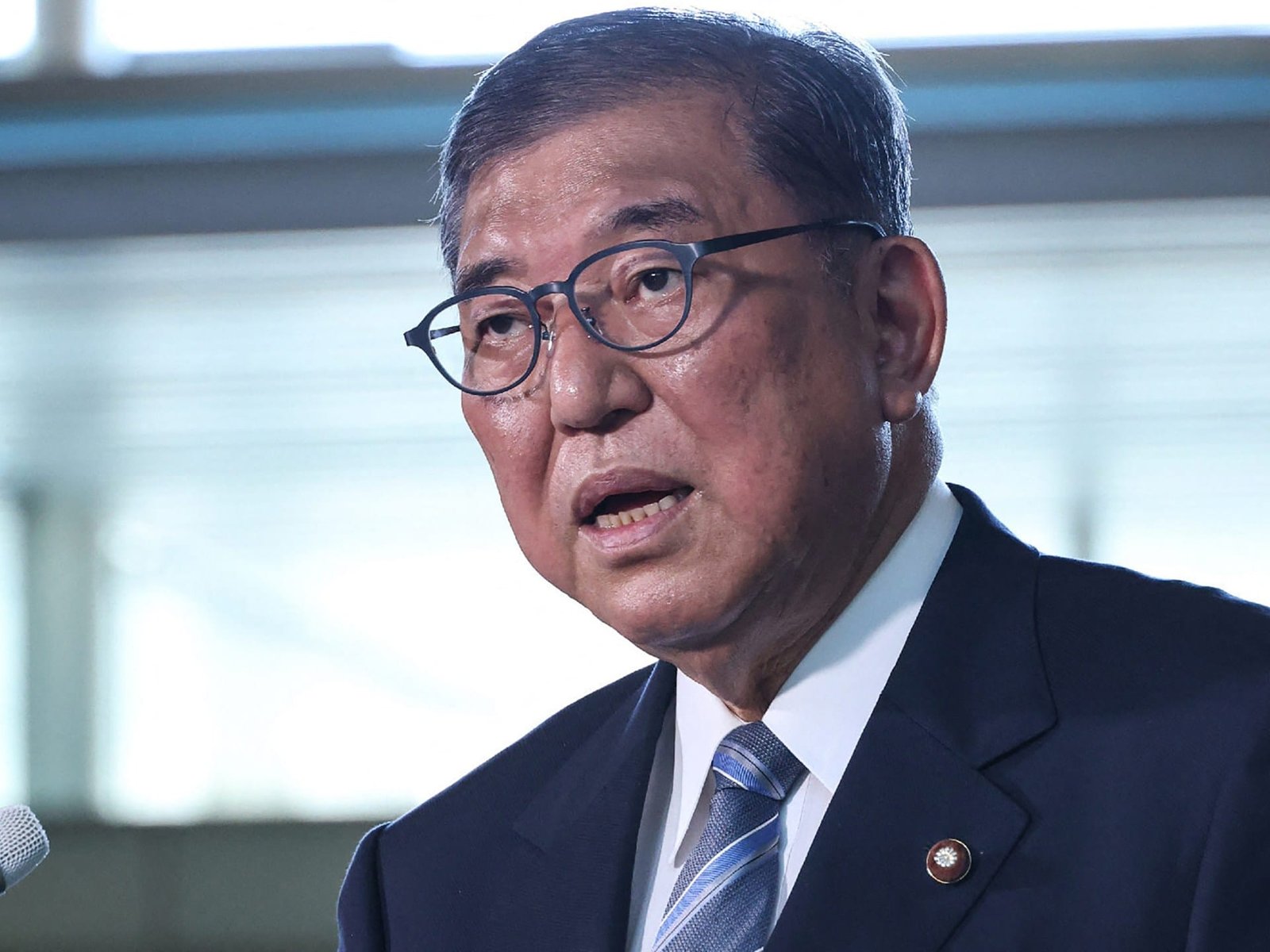
Japanese Prime Minister Shigeru Ishiba has denied reports he plans to resign over a historic defeat his Liberal Democratic Party (LDP) suffered in a weekend election, saying he wants to make sure the tariff deal struck with the United States is appropriately implemented.
Japanese newspaper The Yomiuri Shimbun, in an extra edition on Wednesday, said Ishiba had decided to announce his resignation by the end of July after receiving a detailed report from his chief trade negotiator, Ryosei Akazawa, paving the way for a party leadership vote to choose his successor.
Asked about media reports that he had expressed his intention to step down as early as this month, the 68-year-old leader told reporters at the party headquarters on Wednesday: “I have never made such a statement …The facts reported in the media are completely unfounded.”
The reports surfaced after Ishiba and US President Donald Trump unveiled a trade deal on Tuesday that lowers tariffs on imports of Japanese autos and spares Tokyo from punishing new levies on other goods.
Ishiba had previously announced his intention on Monday to stay on to tackle pressing challenges, including tariff talks with the US, without creating a political vacuum, leading to calls from inside and outside his party for a quick resignation to respond to the election results.
Ishiba has been under growing pressure to step down as the centre-right LDP and its junior coalition partner, Komeito, lost their majority in the 248-member upper house, the smaller and less powerful of the two-chamber parliament, on Sunday, shaking his grip on power and Japan’s political stability.
The LDP has governed almost continuously since 1955, three years after US occupation of the country in the wake of World War II ended.
The bruising loss means the ruling coalition, which also lost a majority in the more powerful lower house in October, now lacks a majority in both houses of parliament, making it even more difficult for his government to achieve any policy goals and worsening Japan’s political instability.
Ishiba welcomed the trade agreement on Wednesday, which places a 15 percent tax on Japanese cars and other goods imported into the US from Japan, down from the initial 25 percent before the August 1 deadline, saying it was a product of tough negotiations to protect the national interest and that it would help benefit both sides as they work together to create more jobs and investment.





 United Arab Emirates Dirham Exchange Rate