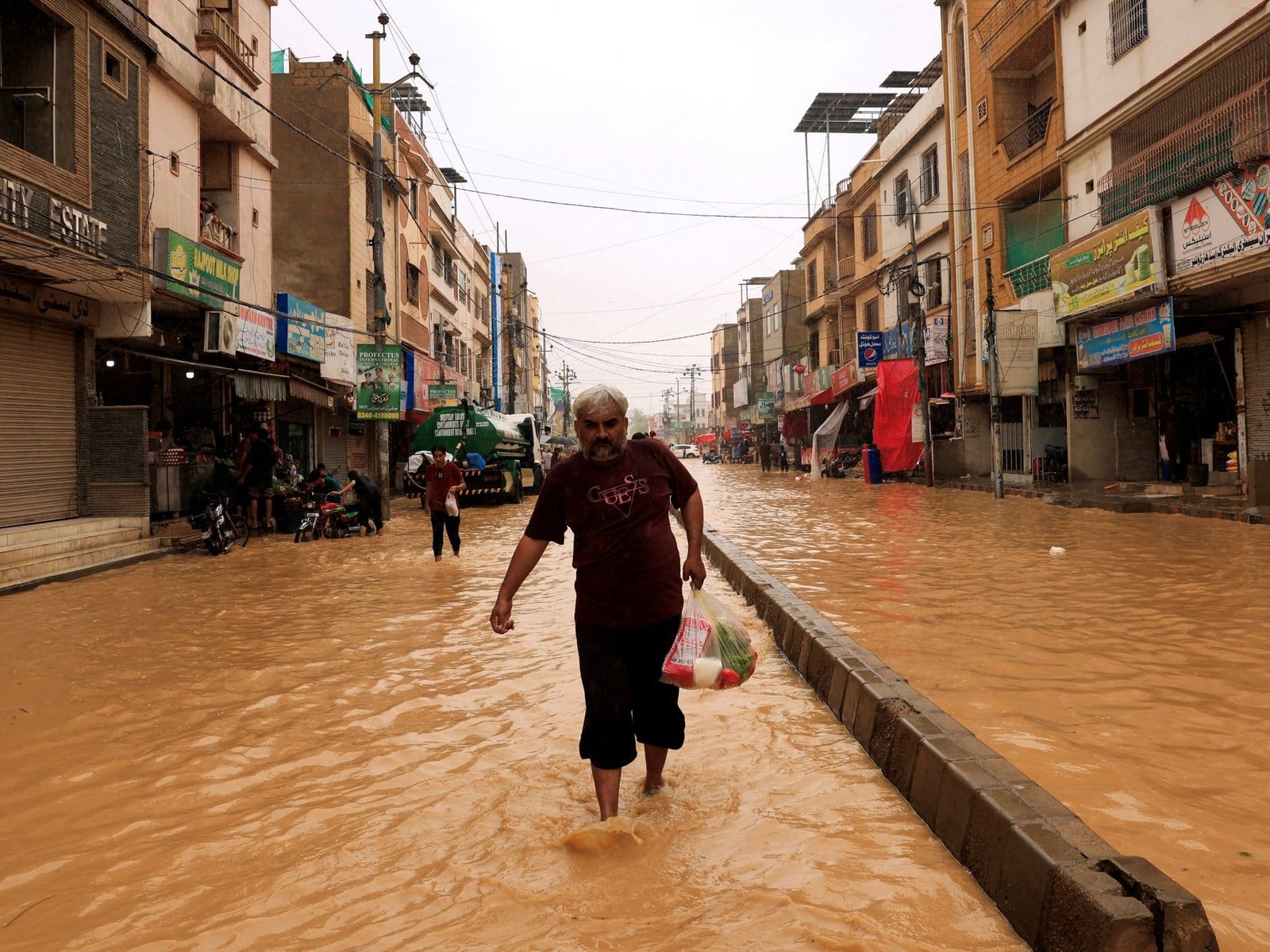
Nearly half of all countries lack early-warning systems for extreme weather events, leaving millions – especially those in developing nations – vulnerable.
As it released a new report on Monday, the UN’s World Meteorological Organization (WMO) called for gaps in global monitoring and forecasting networks to be plugged. Timely alerts are crucial to saving lives as extreme weather events multiply due to climate change, it warned.
“Many millions of people lack protection against dangerous weather, which is inflicting an increasing toll on economic assets and vital infrastructure,” said a statement by the WMO, noting that disaster-related deaths are six times higher in countries without early-warning systems.
The organisation said weather, water and climate-related hazards have killed more than 2 million people in the past 50 years. It added that 90 percent of those deaths occurred in developing countries.
“Impacts are spiralling as weather becomes more extreme,” it said.
The WMO acknowledged that there has been “huge progress” in climate monitoring over the last decade. The number of countries using some form of multi-hazard early warning systems has jumped from 52 to at least 108.
However, it continued, an assessment of 62 countries showed half of them possess only basic capacity and 16 percent have less than basic capacity.
“The situation is worst in fragile, conflict and violence-affected contexts,” the organisation said.
Nevertheless, the WMO is seeing progress in Africa, with more countries having functioning websites and issuing standardised alerts.







 United Arab Emirates Dirham Exchange Rate