
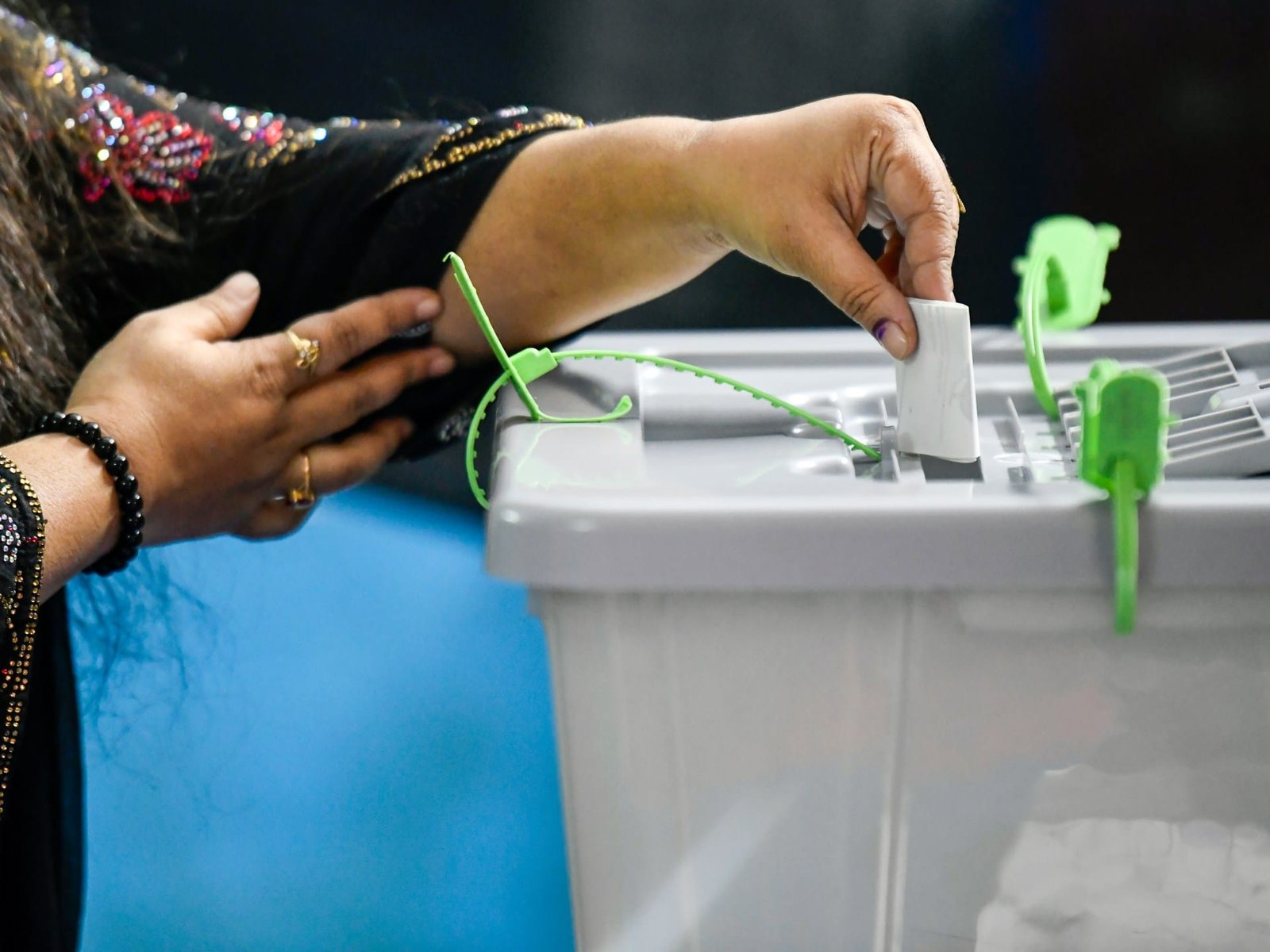
Dhaka, Bangladesh – Long overlooked in Bangladesh’s electoral system, millions of expatriates – including migrant workers who underpin the nation’s economy – will be able to vote in national elections for the first time, as the country’s Election Commission moves to finally ensure their participation in the democratic process.
The Election Commission estimates that about 15 million Bangladeshi expatriates, including migrant workers, live in the Gulf, Europe, the Americas and Southeast Asia – accounting for more than 10 percent of the country’s total electorate.
To facilitate their participation, the Election Commission will launch postal ballots, supported by an app called Postal Vote BD. This is one of several moves to reform key state institutions, including the electoral, judicial, and legislative systems, by Bangladesh’s interim government, which was formed after former Prime Minister Sheikh Hasina and her Awami League party were toppled in a mass uprising in 2024.
The interim government has scheduled highly anticipated parliamentary elections for February 2026, but experts warn that implementing an overseas voting system will be far from easy. A lot is riding on the first elections since the fall of Hasina’s government: Only four of Bangladesh’s 11 elections since the country’s independence in 1971 have been considered “free and fair”.
“The process is like a black box – if authenticity and transparency are not maintained, the credibility of the entire election could be called into question,” said Badiul Alam Majumdar, chief of the electoral reform commission, in an interview with media. “It’s a complex task that requires extensive logistical preparation. It won’t be easy, nor can it be implemented in all countries within one election cycle. But you have to start somewhere.”
Bangladesh’s constitution has never explicitly barred expatriates from voting. Article 122 requires voters to be citizens of voting age who are registered to vote, but it does not specify a residency requirement. However, a 1982 ordinance added that voters must “ordinarily reside” in their constituency.
That ordinance was eventually repealed with the introduction of the Electoral Rolls Act 2009, which came into force in January 2009 and remains the current law. The Act recognises Bangladeshi citizens living abroad as residents of the constituency where they last lived or where their own or ancestral home is located.
However, while expats finally had the right to vote, they did not have the means to do so. No steps were taken to enable expatriates to actually vote.
“Past elections became a farce – there was no genuine intention to include them,” said Majumdar.







 United Arab Emirates Dirham Exchange Rate