Deal between Damascus and SDF sees government deploy across Euphrates River into oil-rich areas, shifting power dynamics in eastern Syria amid local hopes for stability.
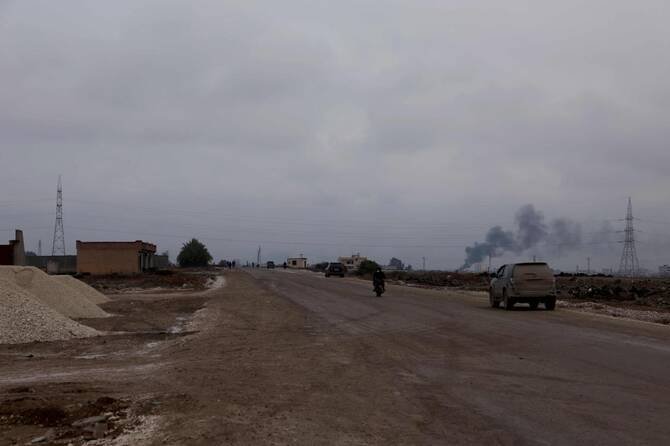
DEIR EZZOR, Syria – Syrian government forces advanced into parts of eastern Deir Ezzor province on Monday, filling a security vacuum left by the withdrawal of Kurdish-led forces in a major realignment of control in the resource-rich region.
The deployment follows a ceasefire and integration agreement announced Sunday between Syrian President Ahmed Al-Sharaa and Mazloum Abdi, leader of the Kurdish-led Syrian Democratic Forces (SDF). Under the deal, Kurdish-administered territories and armed units are to be incorporated into the central state, marking a significant step toward reuniting areas long divided by the Euphrates River.
An AFP correspondent reported dozens of Syrian military vehicles crossing to the eastern bank of the Euphrates—once a de facto frontline separating government-held western areas from the SDF-controlled east. Civilian vehicles and pedestrians also flowed across a small bridge, some expressing relief at the change.
“Our joy over liberation is indescribable,” said Mohammed Khalil, a 50-year-old driver in Deir Ezzor. “We hope things will be better than before. There was… no freedom under the SDF.”
The Syrian Army stated it had “started the deployment” into the eastern Jazira region “to secure it under the agreement between the Syrian state and the SDF.” The accord includes the immediate handover of the Arab-majority provinces of Raqqa and Deir Ezzor.
Earlier, the SDF announced it was withdrawing from areas in eastern Deir Ezzor, including the strategic Al-Omar and Tanak oil fields. Local tribal fighters aligned with Damascus secured the zones ahead of the army’s arrival, highlighting shifting allegiances in the ethnically mixed province.
The SDF, which includes a substantial Arab contingent, originally took control of parts of Deir Ezzor after driving out the Daesh (Islamic State) group with U.S.-led coalition support. Its pullback represents a consolidation of state authority and a potential recalibration of regional influence.
Residents voiced cautious hope for improved services and security. “We want children to return to school without fear, and for electricity, water, and bread to be restored,” said teacher Safia Keddo, 49. “We’re not asking for a miracle; we just want stability and a normal life.”
The move marks one of the most significant territorial shifts in Syria in recent years and could pave the way for broader political integration of the country’s northeast.





 United Arab Emirates Dirham Exchange Rate