February 28, 2026, will be remembered as the day the law of the jungle returned. On that fateful day, the United States and Israel, in flagrant violation of international law and the United Nations Charter, launched Operation Epic Fury, “raining death and destruction” on Iran.
Although it was not the first time that the US and its Israeli ally had used negotiations to lull an enemy into a false sense of security before attacking, the US-Israeli assault nonetheless caught Iran off guard. Several high-ranking Iranian officials were killed in the strikes, including Supreme Leader Ali Khamenei. Yet the attacks failed to achieve the regime change the US and Israel had anticipated. The Iranian government, bruised and bloodied but undefeated, endured.
In response, Iran attacked US military installations and diplomatic missions in the Middle East and Israel with drones and missiles. While the retaliation inflicted some damage, it fell short of deterring further attacks in the face of the other side’s overwhelming military superiority. On the contrary, US strikes intensified, culminating in the largest yet on March 10. With Iranian missile stockpiles and launchers falling dangerously low, it has become apparent that without outside intervention, Iran is fighting what could be its last stand.
With Russia preoccupied with its own war, Iran waited to see whether its only other ally capable of going toe to toe with the US, China, would come to its aid. The answer came quickly. Two days into the war, during a regular news conference at the Chinese Ministry of Foreign Affairs, business continued as normal, as if the US and Israel had not just attacked one of China’s comprehensive strategic partners. When it became clear that China would remain silent, an Iranian journalist protested. Only then did the ministry spokesperson, Mao Ning, reluctantly condemn the US-Israeli assault.
In the days that followed, China became a vocal critic of the attacks. Chinese Foreign Minister Wang Yi argued, “Might does not make right,” warning that the attacks proved that “the world has regressed to the law of the jungle.” Yet for all his strong words, Wang stopped short of explicitly naming the US or Israel as the aggressor, even if there was little doubt which countries he meant. Furthermore, China offered Iran little substantive assistance beyond rhetoric.
While China contacted several Middle Eastern countries and sent a special envoy on a diplomatic tour of the region, a move that helped prevent Iran’s neighbours, many caught in the crossfire, from joining the fray, it made no attempt to directly confront the US, the country ultimately responsible for the war, let alone send Iran military aid.
China’s response remained muted even when Iran, in a bid to provoke international intervention, closed the Strait of Hormuz, a vital maritime corridor through which 40 percent of China’s imported oil passes each day. Faced with a direct threat to its economic lifeline, Beijing’s only response was to call for all parties to cease hostilities and return to the negotiating table. Its priorities were clear.
That priority, of course, is Taiwan.
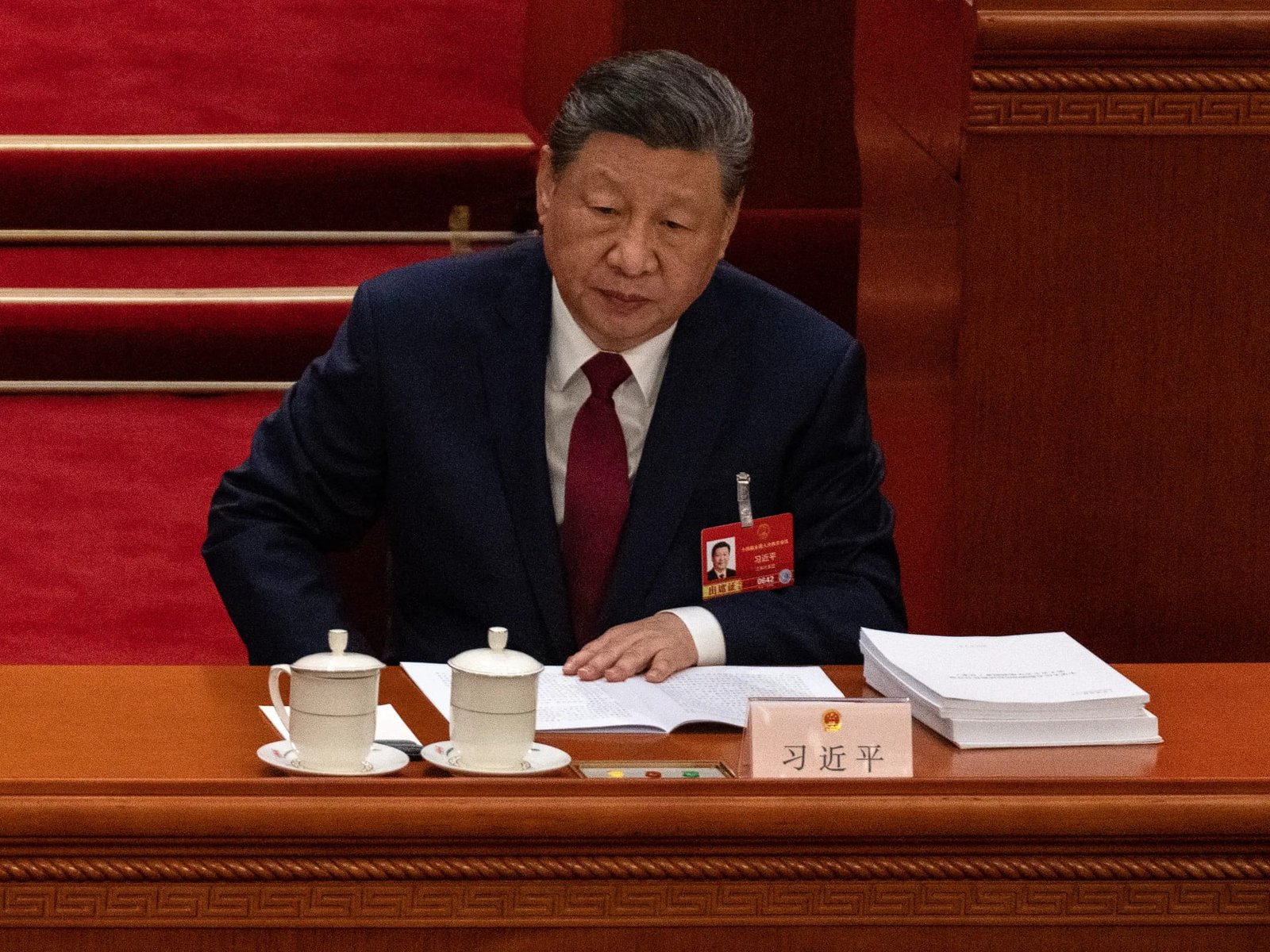
One month before the US-Israeli attacks, during the largest US military build-up in the Middle East since its 2003 invasion of Iraq, Chinese President Xi Jinping and US President Donald Trump held a phone call. In the US readout, the conversation covered a range of topics, including rising US-Iranian tensions.






 United Arab Emirates Dirham Exchange Rate