
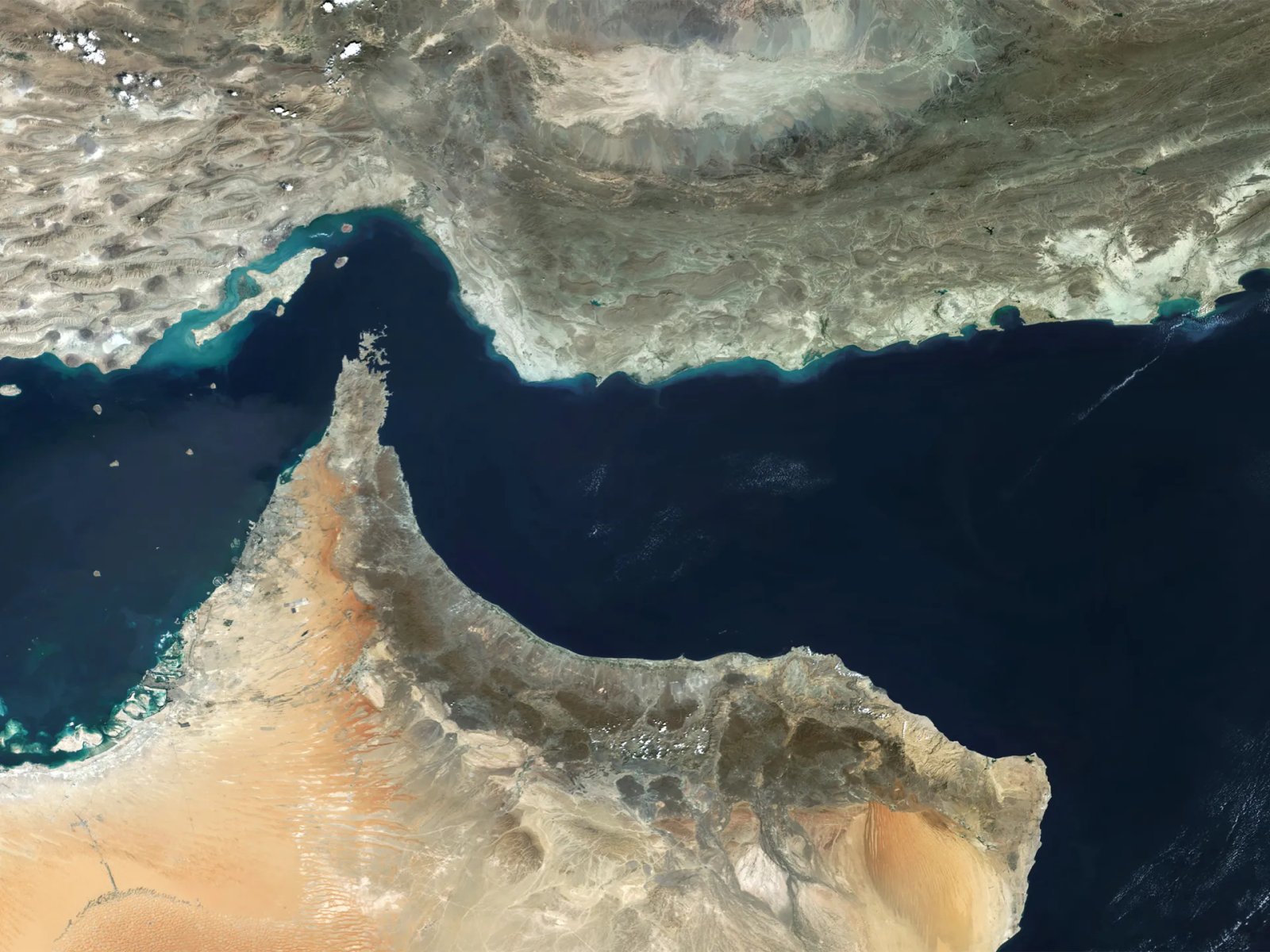
For more than two weeks now, maritime traffic through the Strait of Hormuz has been disrupted. Several vessels have been attacked, and many others have been stuck on the two ends of the strait, unwilling to take the risk of passing through.
This has had not just regional but global repercussions. The strait is the principal gateway for several Gulf Cooperation Council (GCC) states to global markets. About 20 percent of the world’s petroleum and nearly a fifth of global liquified natural gas (LNG) flows pass through it. For this reason, the Strait of Hormuz is one of the world’s most strategically significant maritime corridors.
What is happening at the strait is a wide-ranging crisis. It needs to be addressed not just with regional but global action.
After Iran began blocking the Strait of Hormuz, a number of energy companies, including Qatar Energy, Shell, Kuwait Petroleum Corporation, and Bapco invoked force majeure across GCC countries. This is unprecedented in the history of oil and gas production in the Gulf region.
Iraq, the world’s sixth-largest oil producer, has had to cut production of oil in the oil-rich region of Basra by 70 percent, from 3.3 million barrels per day (bpd) to 900,000bpd, as the majority of its exports pass through the strait. Its announcement of 170,000bpd exported through a pipeline to Turkiye will hardly make a difference.
In early March, Saudi Arabia, the world’s second biggest oil producer, had to shut the Ras Tanura refinery, its largest facility, which processes 550,000bpd. Riadh has been able to reroute other oil production through the East-West pipeline to Yanbu port on the Red Sea, bypassing the Strait of Hormuz. But even with this manoeuvre, it has had to cut supplies to Asia.
The UAE has also had to close down its largest refinery and reroute oil through pipelines, instead of exporting through the Gulf.
As a result of these disruptions, oil prices have soared to nearly $120 per barrel.
The LNG sector has also suffered tremendously. Qatar, the world’s second-largest LNG exporter, has had to shut down production. UAE’s gas production has experienced disruption, as well. Asian countries have been hit hard as a result.






 United Arab Emirates Dirham Exchange Rate