
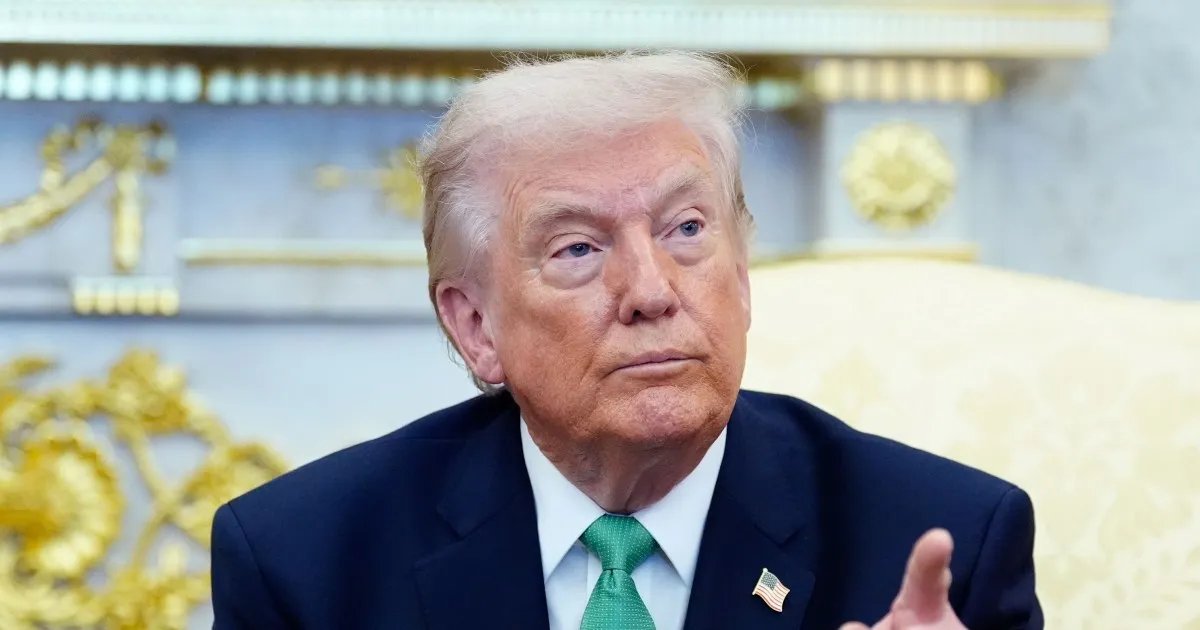
On March 23, President Donald Trump announced that the United States and Iran had reached “major points of agreement”. Shortly after, he claimed that Tehran had delivered a significant concession related to oil, gas, and the Strait of Hormuz.
These statements, along with the decision to postpone strikes on Iranian energy infrastructure, generated considerable diplomatic optimism. Global markets responded positively to what was perceived as a sign of de-escalation.
This optimism, however, conflates two analytically distinct phenomena: the emergence of a mutually hurting stalemate, which creates the conditions under which parties become willing to negotiate, and the existence of a viable bargaining architecture, which determines whether durable agreements can be reached.
In the current conflict, the former is beginning to crystallise while the latter remains structurally absent.
American scholar William Zartman’s concept of the mutually hurting stalemate holds that conflict termination becomes possible when both belligerents perceive that continued fighting imposes costs that cannot be offset by anticipated military gains.
The empirical indicators of this condition are becoming visible on both sides. Iran’s ballistic missile inventories have been significantly depleted, its naval capabilities degraded, and the assassination of Supreme Leader Ali Khamenei has disrupted the institutional coherence of its security apparatus.
On the opposing side, the closure of the Strait of Hormuz, through which approximately one-fifth of global oil and liquefied natural gas flow, has generated an energy shock the International Energy Agency describes as more severe than the combined oil crises of 1973 and 1979, with direct inflationary consequences for the United States domestic economy.
These pressures explain the diplomatic signalling now under way. They do not, however, resolve the deeper structural problem that has defined this conflict from its inception: the near-total erosion of trust between both sides that functional war termination requires.
The analytical literature on war termination identifies the commitment problem, the inability of belligerents to make credible post-agreement commitments in the absence of an enforcement authority, as among the most significant barriers to durable peace. In the present conflict, this problem is constitutive.






 United Arab Emirates Dirham Exchange Rate