The Strait of Hormuz is the only major commercial artery on earth named after a god. The name derives from Hormoz, the Middle Persian rendering of Ahura Mazda – the Zoroastrian deity of wisdom, light, and cosmic order. This is not poetic licence; it is an etymological fact. The ancient Persians did not simply build a trade route here. They consecrated it.
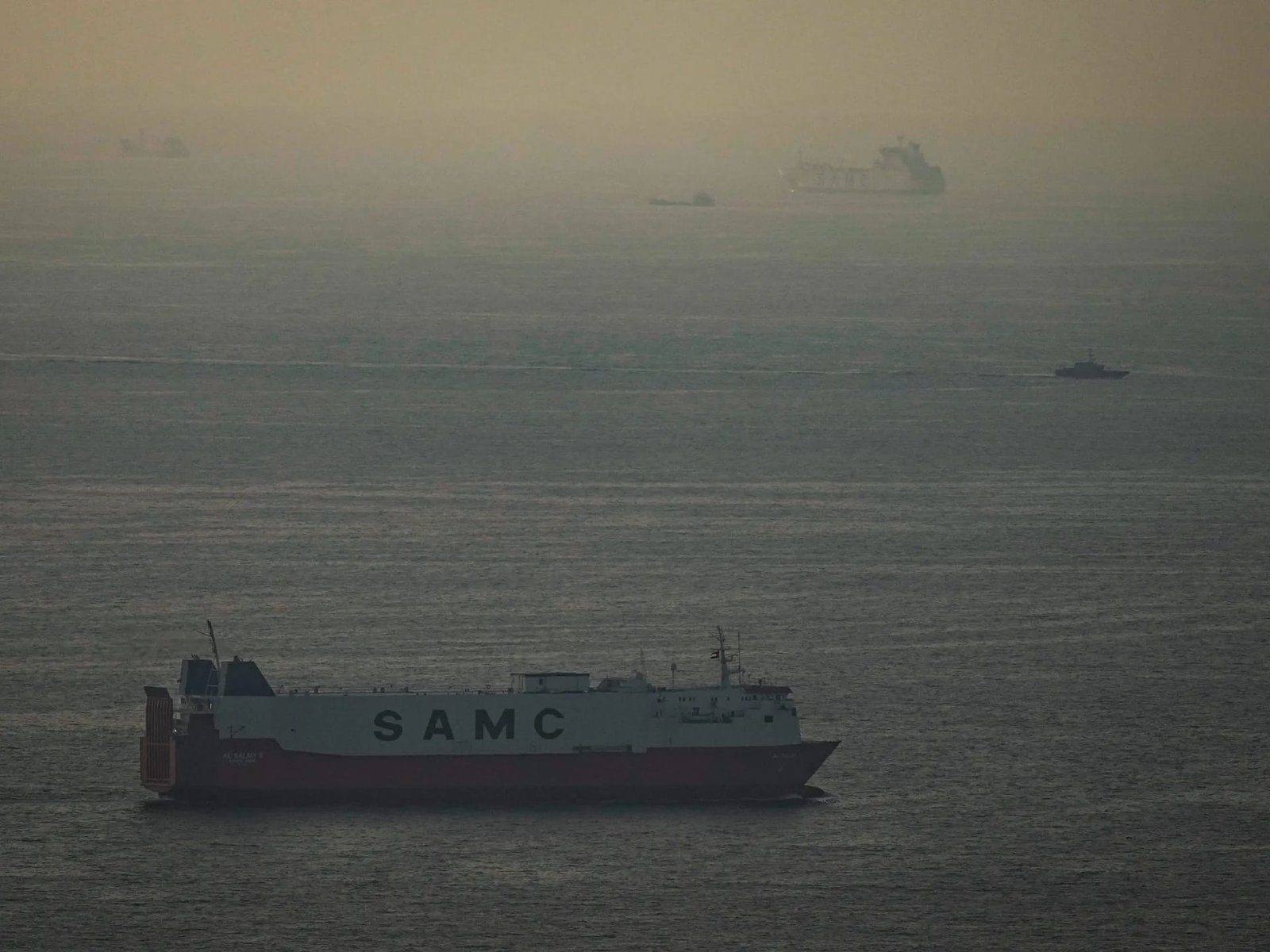
A place named after the god of order has become the single point where global order faces its greatest vulnerability. Through these waters – 167km (104 miles) long, 39km (24 miles) wide at their narrowest point – pass an estimated 30,000 vessels per year.
They carry not only a fifth of the world’s seaborne oil and liquified natural gas but also the urea needed for the fertilisers that grow its food, the aluminium that constructs its infrastructure, the helium that cools its semiconductors, and the petrochemicals that sustain its pharmaceutical and manufacturing base.
The Strait of Hormuz is not an oil chokepoint. It is the aortic valve of globalised production – and like any valve, when it fails, the entire circulatory system collapses.
In the eleventh century, an Arab chief named Muhammad Diramku – Dirhem Kub, “Dirham minter” – left Oman and crossed the Gulf to found the Kingdom of Hormuz on the Iranian coast. He was a merchant-prince, not a warrior, and he understood that power in this geography flowed from controlling the gap between civilisations.
By the 15th century, Hormuz had become one of the great emporium-states of the medieval world. Merchants from Egypt, China, Java, Bengal, Zanzibar, and Yemen converged on a single island port. Venetian explorer Marco Polo visited twice. During the Ming Dynasty, Chinese admiral Zheng made it the final destination of his treasure fleet. Every civilisation that understood maritime trade eventually found its way there. Each arrived at the same insight: Control the gate, collect the toll.
The Portuguese showed up in 1507. Admiral Afonso de Albuquerque understood that whoever holds this chokepoint holds everything between India and the Mediterranean. He seized the port with seven ships and 500 men.
In 1622, Persia’s Shah Abbas I (Abbas the Great) captured Hormuz with English naval support. The British eventually dominated. In 1951, the British navy imposed a blockade on the strait to pressure Iranian Prime Minister Mohammad Mosaddegh to reverse his decision to nationalise the Iranian oil industry, which had a large British stake. In doing so, Britain executed the same manoeuvre Albuquerque had pioneered four centuries earlier. The blockade lasted more than two years and contributed directly to the CIA-backed coup against Mosaddegh in 1953.
During the Iran-Iraq war of 1980-1988, the importance of the Strait of Hormuz once again came to the spotlight. Between 1984 and 1987, 546 commercial vessels were attacked and more than 430 seafarers were killed; oil continued to flow – albeit at higher insurance premiums.




 United Arab Emirates Dirham Exchange Rate