
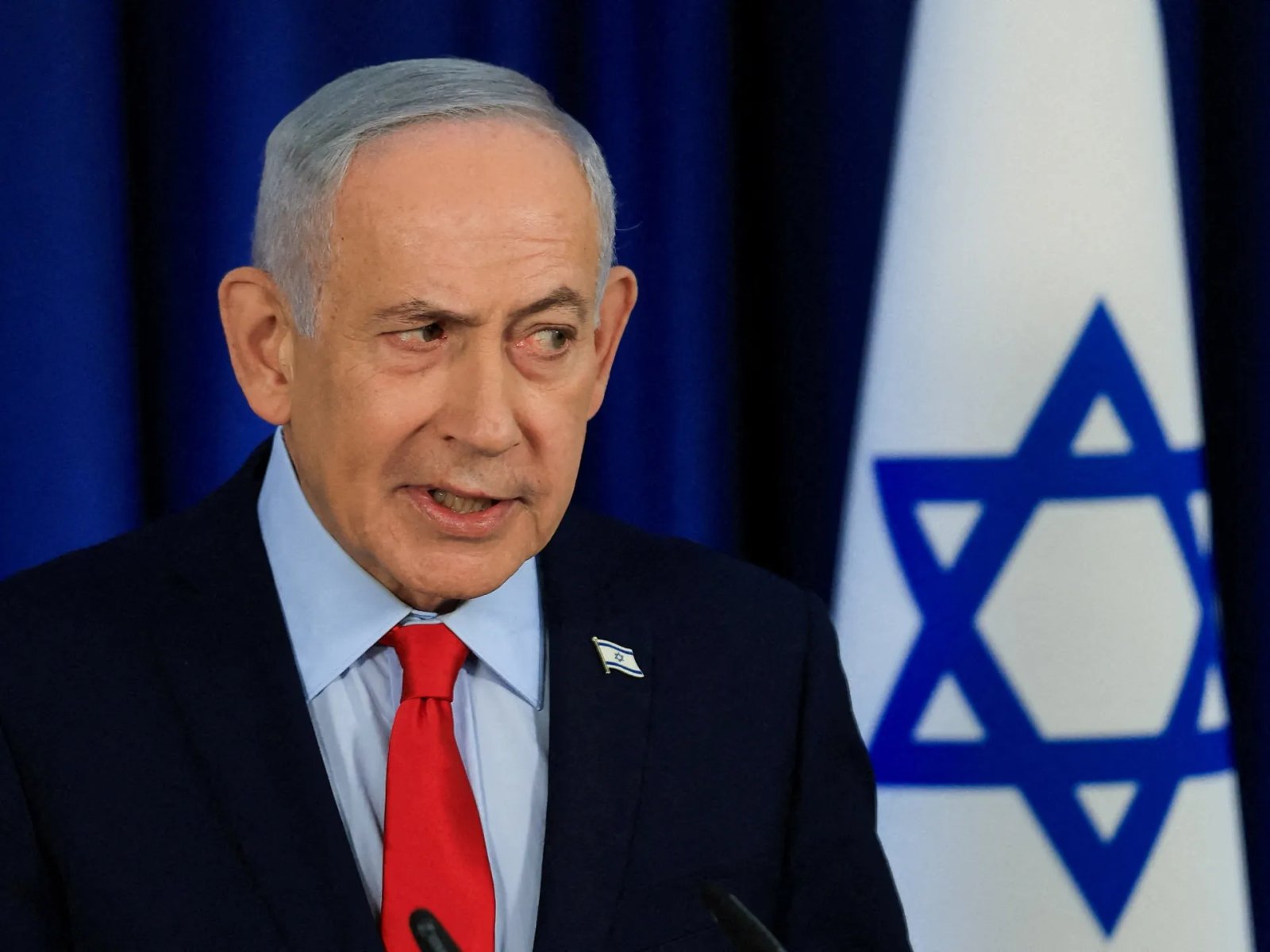
In recent days, alongside continued claims of successes in this war, a new tone is emerging in Israel’s media, piercing the Israeli sense of invincibility — the first hints of a narrative of defeat.
Writing in Israel’s Yedioth Ahronoth newspaper on March 25, Yossi Yehoshua detailed tensions between Prime Minister Benjamin Netanyahu and Mossad chief David Barnea regarding the failure of plans to collapse the Iranian regime.
Three days earlier, The New York Times had reported that in January, Barnea presented US officials with a plan to induce a successful insurrection after regime decapitation was carried out. The Mossad chief would not have taken such messages to Washington without the approval of his prime minister.
The sense of crisis became more palpable when Israeli army chief Eyal Zamir warned the security cabinet that the military could “collapse in on itself”, particularly due to manpower shortages.
When the political and security echelons begin playing the blame game in the midst of a war, it is never a good sign. This is not where Israel anticipated the conversation would be one month after launching a joint attack with the United States against Iran.
When the war began, the prevailing sense in Israel was one of euphoria. Senior Israeli officials hailed the “unprecedented” and “historic” coordination with the US, including two meetings and 15 phone calls between Netanyahu and US President Donald Trump in the preceding two months.
Together, the Israeli and US armies unleashed a campaign of heavy bombardment, assassinating leading political, religious and military figures, and damaging and destroying security infrastructure, military industrial sites and missile launchers, as well as civilian and governance buildings, including oil depots and gasfields.
Iran has responded with daily strikes against Israeli targets. It is hard to know the extent of damage on the Israeli side, given the strict censorship.
Certain strategic targets have been impacted in Israel, including the area of the nuclear reactor in Dimona, the Haifa oil refinery, and Ben Gurion airport. Beyond that, Israelis have spent four weeks running to bomb shelters and saferooms and have had to do so more frequently in recent days than in the early days of the war.







 United Arab Emirates Dirham Exchange Rate