
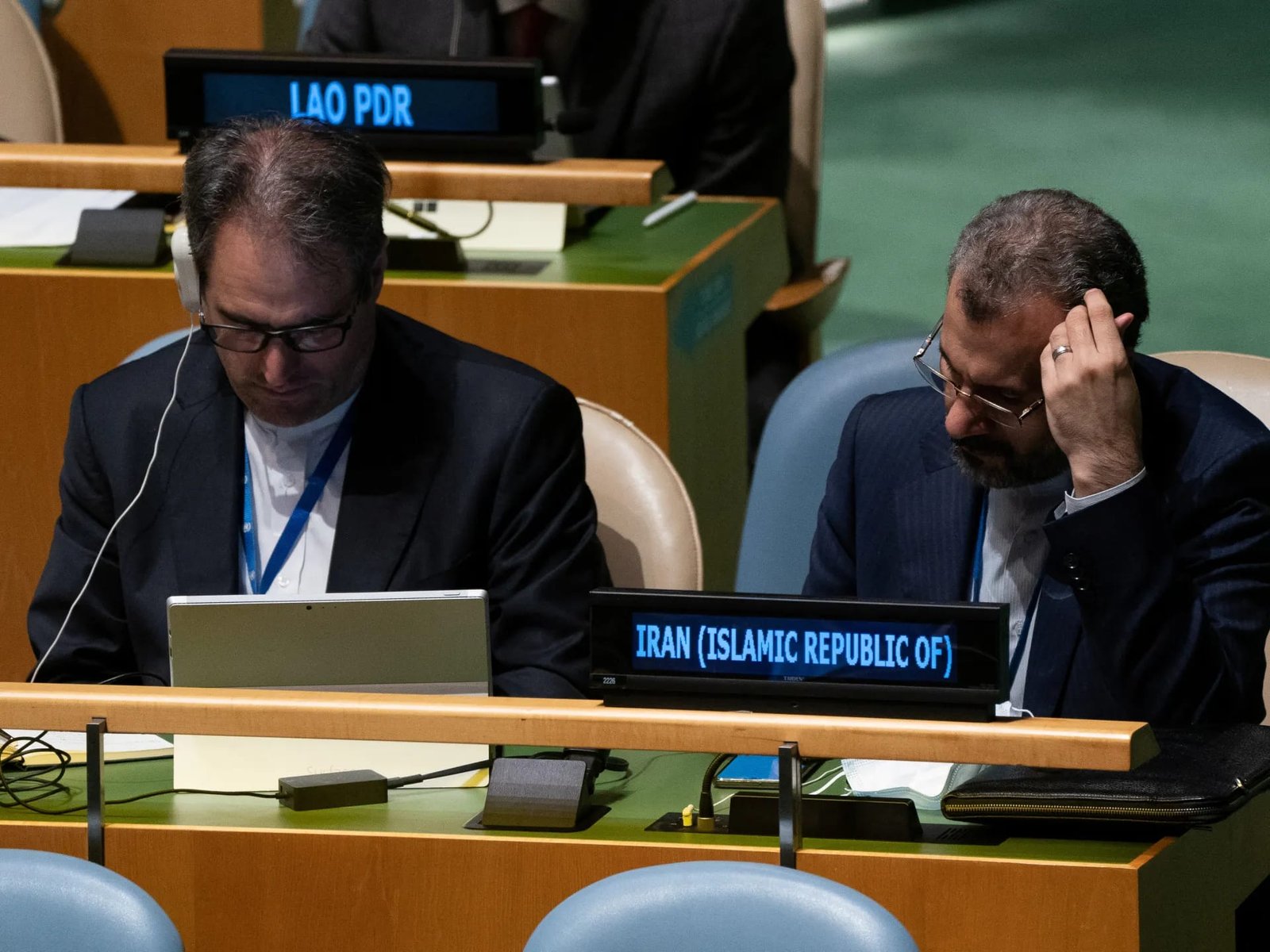
On April 27, states party to the Treaty on the Non-Proliferation of Nuclear Weapons (NPT) will gather in New York to begin their five-year review of its function. This year, the review conference opens under the shadow of the war that the US and Israel launched on Iran under the pretext that it was about to develop a nuclear weapon.
As the 191 state parties gather to review the NPT, the grand bargain at the heart of this treaty will be put on trial.
The treaty, which entered into force in 1970, is the central agreement through which most states accepted the current nuclear order. Non-nuclear-weapon states under the treaty (including Iran) have agreed never to acquire nuclear weapons, while the five recognised nuclear-weapon states (the US, the UK, France, China and Russia) have agreed to curb the spread of nuclear weapons, and to also to pursue the disarmament of their own nuclear stockpiles.
All parties to the NPT retain the right to pursue peaceful nuclear technology, under safeguards overseen by the International Atomic Energy Agency (IAEA). Every five years, states meet to review whether that bargain is still being honoured. That is why this conference is happening now.
The problem is that Iran’s case now raises a deeply uncomfortable question for the review conference: Does NPT membership offer any degree of protection for its non-nuclear-weapon states?
To be fair, Iran is unlike any other non-nuclear-weapon state under the NPT, and has given the world reasons to be concerned about its nuclear activities. The IAEA has raised questions about Iran’s unresolved safeguards issues, limited inspector access and its accumulation of uranium enriched far beyond normal civilian needs.
Yet, the agency has not found any evidence of a structured weapons programme. Despite that conclusion – confirmed by US intelligence – the US, an official nuclear state, and Israel, an unofficial nuclear state, decided to attack Iran.
This coercive approach to resolving concerns about nuclear activities is extremely damaging to the NPT. If the issue was uncertainty about what Iran’s nuclear facilities are up to, then bombing them does not create any clarity. If the issue was limited access for weapons inspectors, waging war and blockading the country would not make inspections easier. If the issue was nuclear latency, attacking safeguarded sites risks teaching other states that remaining below the weapons threshold provides neither reassurance nor protection.
This is the darker lesson now hanging over the review conference in New York. Iran’s working papers submitted to the conference, raise important issues. Tehran evokes Article IV of the treaty and the right to peaceful nuclear technology. It argues that attacks on safeguarded facilities violate the very logic of the treaty. It points to Israel’s position outside the NPT, and to the long-unfulfilled promise of a Middle East free of nuclear weapons and other weapons of mass destruction.







 United Arab Emirates Dirham Exchange Rate