• About
  • Advertise
  • Privacy & Policy
  • Contact Us
Monday, May 25, 2026
Dubai News TV
  • UAE
    • Abu Dhabi
    • Dubai
    • Ajman
  • REGION
    • Middle East
    • GCC
    • MENA
      • Syria
    • Asia
      • Afghanistan
      • Bangladesh
      • India
      • Iran
      • Israel
      • Pakistan
      • Sri Lanka
    • Africa
    • Europe
  • REAL ESTATE
  • Opinion
    • EDITOR’S CHOICE
    • The Big Read
    • Viewpoint
    • EXCLUSIVE
  • World
  • Business
    • Local Business
    • Markets
  • TECH
  • HEALTH
  • Horoscope
  • PR
  • Sports
No Result
View All Result
  • UAE
    • Abu Dhabi
    • Dubai
    • Ajman
  • REGION
    • Middle East
    • GCC
    • MENA
      • Syria
    • Asia
      • Afghanistan
      • Bangladesh
      • India
      • Iran
      • Israel
      • Pakistan
      • Sri Lanka
    • Africa
    • Europe
  • REAL ESTATE
  • Opinion
    • EDITOR’S CHOICE
    • The Big Read
    • Viewpoint
    • EXCLUSIVE
  • World
  • Business
    • Local Business
    • Markets
  • TECH
  • HEALTH
  • Horoscope
  • PR
  • Sports
No Result
View All Result
Dubai News
No Result
View All Result
  • Top News
  • UAE
  • Dubai
  • World
  • Business
  • GOLD/FOREX
  • REGION
  • REAL ESTATE
  • FEATURED
  • EDITOR’S CHOICE
  • ENVIRONMENT
  • Road To Financial Freedom
  • Health
  • Sports

The world urgently needs a US-Iran deal now

by News Desk
4 hours ago
in Middle East, REGION, Top News
The world urgently needs a US-Iran deal now
Share on FacebookShare on TwitterShare on Whatsapp

Without a deal between Washington and Tehran, the fallout from Hormuz closure could deepen global energy, food and cost-of-living crises.

As negotiations between the United States and Iran appear to move towards a possible breakthrough, the stakes extend far beyond diplomacy between two longstanding adversaries. At issue is not simply a ceasefire or a nuclear agreement. It is whether the world economy can avoid sliding deeper into widening energy, food and cost-of-living crises centred on the Strait of Hormuz.

Recent reports suggest Washington and Tehran are discussing a deal that would reopen the strait as part of a broader arrangement. The proposal reportedly includes a 60-day truce, the reopening of shipping lanes, some sanctions relief and renewed talks on Iran’s nuclear programme.

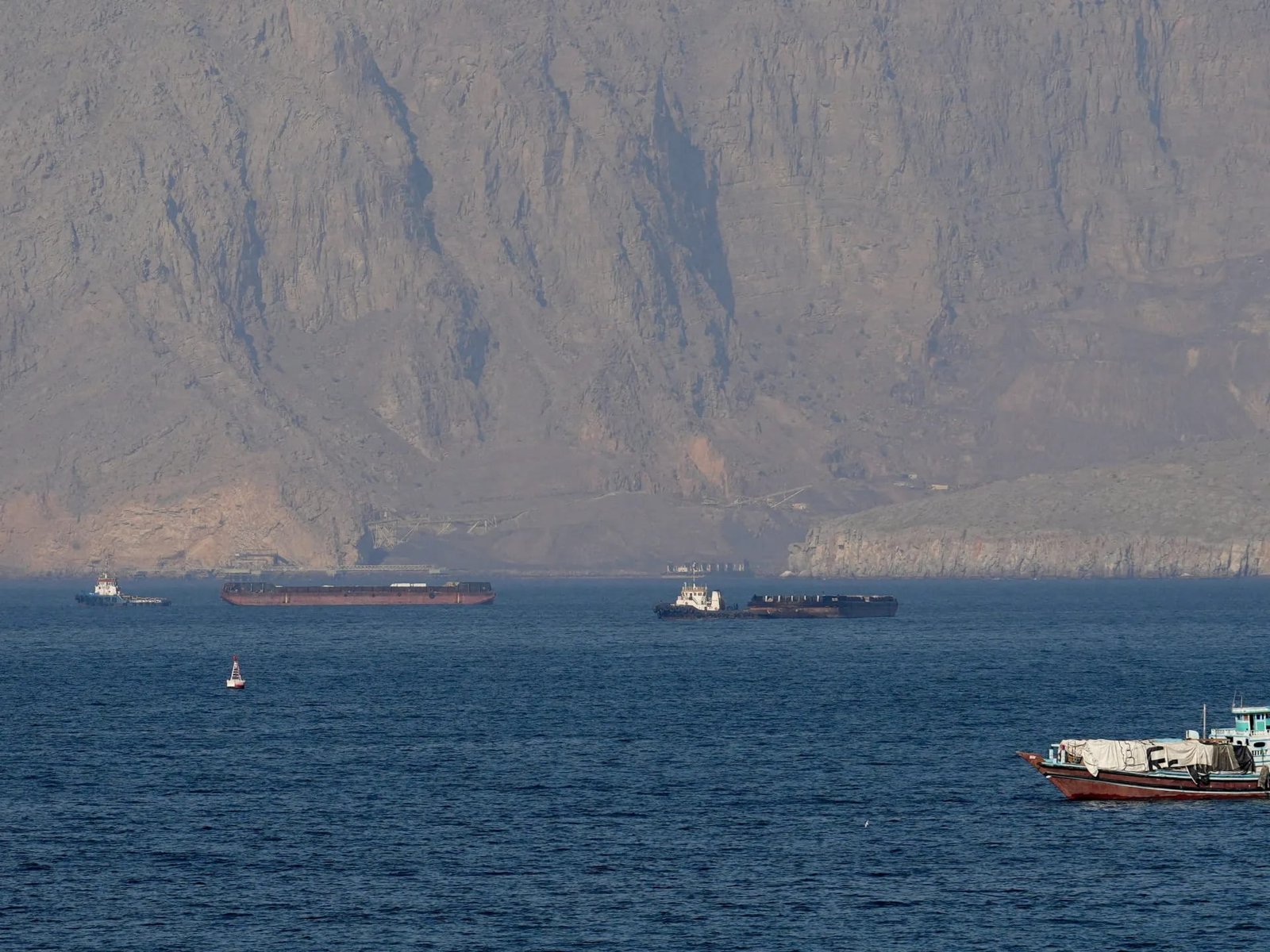
The urgency is obvious. Roughly a fifth of the world’s oil and a substantial share of liquefied natural gas supplies normally pass through the Strait of Hormuz. Over recent weeks, disruptions to shipping, military tensions and competing naval controls have driven up freight costs, energy prices and insurance premiums.

If a durable agreement is not reached soon, the consequences are likely to spread rapidly across the global economy.

To be sure, wealthier economies will feel the effects. Higher fuel prices will intensify inflationary pressures already weighing on households in Europe and North America. Governments confronting slowing growth and persistent cost-of-living concerns will face renewed political pressure as transportation, electricity and food prices rise once again.

But the effects will be far more severe in the Global South.

Many developing economies remain deeply dependent on imported fuel, imported fertiliser and imported food. Energy shocks, therefore, cascade through entire economies. Transport costs rise. Agricultural production becomes more expensive. Food inflation accelerates. Public finances deteriorate as governments try to shield populations from rising prices through subsidies or emergency support.

This dynamic is already visible. Across several import-dependent countries in Africa and South Asia, governments are scrambling to secure alternative fuel supplies while confronting worsening fiscal pressures. The longer the uncertainty around the Strait of Hormuz continues, the greater the likelihood that inflationary shocks will deepen existing debt crises and social instability.

This is why the current negotiations matter so profoundly.

The issue is not only whether the US and Iran can avoid further military escalation. It is also whether a fragile global economy already strained by debt, climate shocks and geopolitical fragmentation can withstand another prolonged energy disruption.

Recent years have demonstrated how quickly such shocks become political crises. Food inflation played a major role in unrest preceding the Arab uprisings more than a decade ago. More recently, rising living costs have fuelled political volatility from Latin America to Europe. Governments across the world are already confronting widespread distrust, stagnant wages and growing inequality. Another sustained surge in energy and food prices could intensify these pressures dramatically.

The irony, once again, is that many of the countries likely to suffer most have little influence over the conflict itself.

The populations now facing the gravest economic risks are often those least responsible for the geopolitical confrontation, yet they are the ones most exposed to rising import costs, worsening hunger and shrinking fiscal space. The global economy repeatedly externalises the costs of major-power conflict onto poorer societies through commodity markets and debt structures.

Accordingly, reopening the Strait of Hormuz is not simply a matter of strategic stability for Washington or Tehran. It is also a global economic necessity.

This does not mean the negotiations will be easy. Deep disagreements remain over sanctions, uranium enrichment, regional security arrangements and the future governance of shipping through the Gulf. Reports also indicate continuing tensions over who would ultimately control transit through the Strait of Hormuz and under what conditions.

A prolonged disruption in the Strait of Hormuz would not remain a regional crisis for long. It would deepen inflation, worsen food insecurity, strain humanitarian systems and increase the likelihood of broader political instability across vulnerable economies already under immense pressure.

In that sense, the negotiations now under way are about far more than diplomacy between the US and Iran. They are about whether the world can avoid another cascading global crisis driven by energy insecurity, geopolitical fragmentation and rising inequality.

The Strait of Hormuz cannot remain closed – economically or politically – without consequences for everyone.

The views expressed in this article are the author’s own and do not necessarily reflect media’s editorial stance.


Share21Tweet13Send

Related Posts

Syria cannot heal without a rebuilt health system
International

Syria cannot heal without a rebuilt health system

May 24, 2026
The GCC should insure itself against the next Strait of Hormuz crisis
Middle East

The GCC should insure itself against the next Strait of Hormuz crisis

May 24, 2026
Trump, White House targeted: 4 shooting, assassination attempts on US President
International

Trump, White House targeted: 4 shooting, assassination attempts on US President

May 24, 2026
UAE Eid Al Adha 2026 sales: Hypermarkets slash prices by up to 50% and boost stocks
International

UAE Eid Al Adha 2026 sales: Hypermarkets slash prices by up to 50% and boost stocks

May 24, 2026
At least 24 killed, over 50 injured after train blast in Pakistan's Balochistan
International

At least 24 killed, over 50 injured after train blast in Pakistan’s Balochistan

May 24, 2026
The pollution that outlives war
International

The pollution that outlives war

May 23, 2026
Load More
  • Hamid Butt

    Tech Maverick Turns Luxury Hotelier: How Hamid Butt is Redefining Lahore’s Hospitality and Business Landscape

    54 shares
    Share 22 Tweet 14
  • ‘Well-being of humanity’: UAE residents to pray for peace, stability on Day of Arafah

    53 shares
    Share 21 Tweet 13
  • Sheikh Mohammed issues new law to enhance quality, safety of Dubai buildings

    63 shares
    Share 25 Tweet 16
  • Leadership Pipeline Imbalance in Hospitality: A Case for Regional GM Capacity Building

    53 shares
    Share 21 Tweet 13
  • UAE President makes over 100 calls, drives diplomatic efforts amid Iranian attacks

    54 shares
    Share 22 Tweet 14
  • Dubai’s Parkin announces 5% VAT to all parking services starting June 1

    53 shares
    Share 21 Tweet 13
  • UAE Central Bank suspends Yas Takaful licence

    67 shares
    Share 27 Tweet 17
  • At just 29, Jordan Bardella inherits the French far-right spotlight, whether he’s ready or not

    53 shares
    Share 21 Tweet 13
  • UAE weather: Humid tonight, temperatures to dip to 27ºC

    53 shares
    Share 21 Tweet 13
  • Kingdom’s Elite Belt crowns 20 champions as Riyadh hosts thrilling boxing finale

    55 shares
    Share 22 Tweet 14
United Arab Emirates Dirham Exchange Rate


About Dubai News TV

Dubai News is an English language news and current affairs digital TV channel established to provide round-the-clock news, information, and knowledge about local, regional, and international events. It covers a wide range of topics, including politics, business, technology, culture, and sports, ensuring viewers stay informed and engaged with the latest developments. The channel aims to deliver accurate, unbiased reporting and insightful analysis, catering to a diverse audience with a global perspective.

Categories

  • Abu Dhabi (43)
  • Afghanistan (32)
  • Africa (29)
  • Ajman (5)
  • Artificial Intelligence (5)
  • Asia (82)
  • Bangladesh (87)
  • Business and Economy (773)
  • Cricket (11)
  • Donald Trump (6)
  • Dubai (162)
  • EDITOR'S CHOICE (10)
  • Education (29)
  • Entertainment (1,943)
  • ENVIRONMENT (13)
  • Europe (91)
  • EXCLUSIVE (4)
  • FEATURED (41)
  • Featured Stories (40)
  • Global Business (2,259)
  • Gold & Forex (1)
  • Healthcare (9)
  • heath (10)
  • Horoscope (704)
  • Hospitality (1)
  • India (177)
  • International (8,690)
  • Iran (27)
  • Israel (18)
  • Israel-Palestine conflict (76)
  • Life Style (1)
  • Lifestyle (1,372)
    • Health (8)
  • Local Business (1,636)
  • Markets (14)
  • MENA (818)
  • Military & Defense (8)
  • News (11,550)
    • Business (2,171)
    • Politics (14)
    • World (8,760)
      • Foods (1)
      • Games (2)
      • Travel (6)
  • Opinion (26)
  • Outreach Initiatives (1)
  • Pakistan (288)
  • Personal Finance (7)
  • Philippine (11)
  • Philippines (7)
  • PR (159)
  • REAL ESTATE (170)
  • REGION (4,285)
    • GCC (210)
    • Middle East (3,337)
  • Road To Financial Freedom (7)
  • Russia (28)
  • Russia-Ukraine war (73)
  • Saudi Arabia (16)
  • Sharjah (12)
  • South Asia (91)
  • Sports (1,232)
  • Sri Lanka (45)
  • Startup (7)
  • Syria (7)
  • Tech (501)
  • Technology (491)
  • The Big Read (6)
  • Top News (24,896)
  • turkey (9)
  • TV Shows (7)
  • UAE (6,867)
  • Uncategorized (10)
  • Video Posts (11)
  • Viewpoint (8)

Latest News

Horoscope

Your lookahead horoscope: May 24, 2026

by Web Desk
May 24, 2026
0

IF TODAY IS YOUR BIRTHDAYA sun-Neptune link on your birthday means you will be sensitive to changes in the atmosphere...

Read moreDetails
Syria cannot heal without a rebuilt health system

Syria cannot heal without a rebuilt health system

May 24, 2026
The GCC should insure itself against the next Strait of Hormuz crisis

The GCC should insure itself against the next Strait of Hormuz crisis

May 24, 2026
  • About
  • Advertise
  • Privacy & Policy
  • Contact Us

© 2024 Dubai News TV - Powerd by Global Biz International.

No Result
View All Result
  • Top News
  • UAE
  • Dubai
  • World
  • Business
  • GOLD/FOREX
  • REGION
    • South Asia
      • Pakistan
      • India
    • GCC
    • Middle East
  • REAL ESTATE
  • FEATURED
    • Featured Stories
  • EDITOR’S CHOICE
    • The Big Read
    • Viewpoint
  • ENVIRONMENT
  • Road To Financial Freedom
  • Health
  • Sports

© 2024 Dubai News TV - Powerd by Global Biz International.

This website uses cookies. By continuing to use this website you are giving consent to cookies being used. Visit our Privacy and Cookie Policy.