
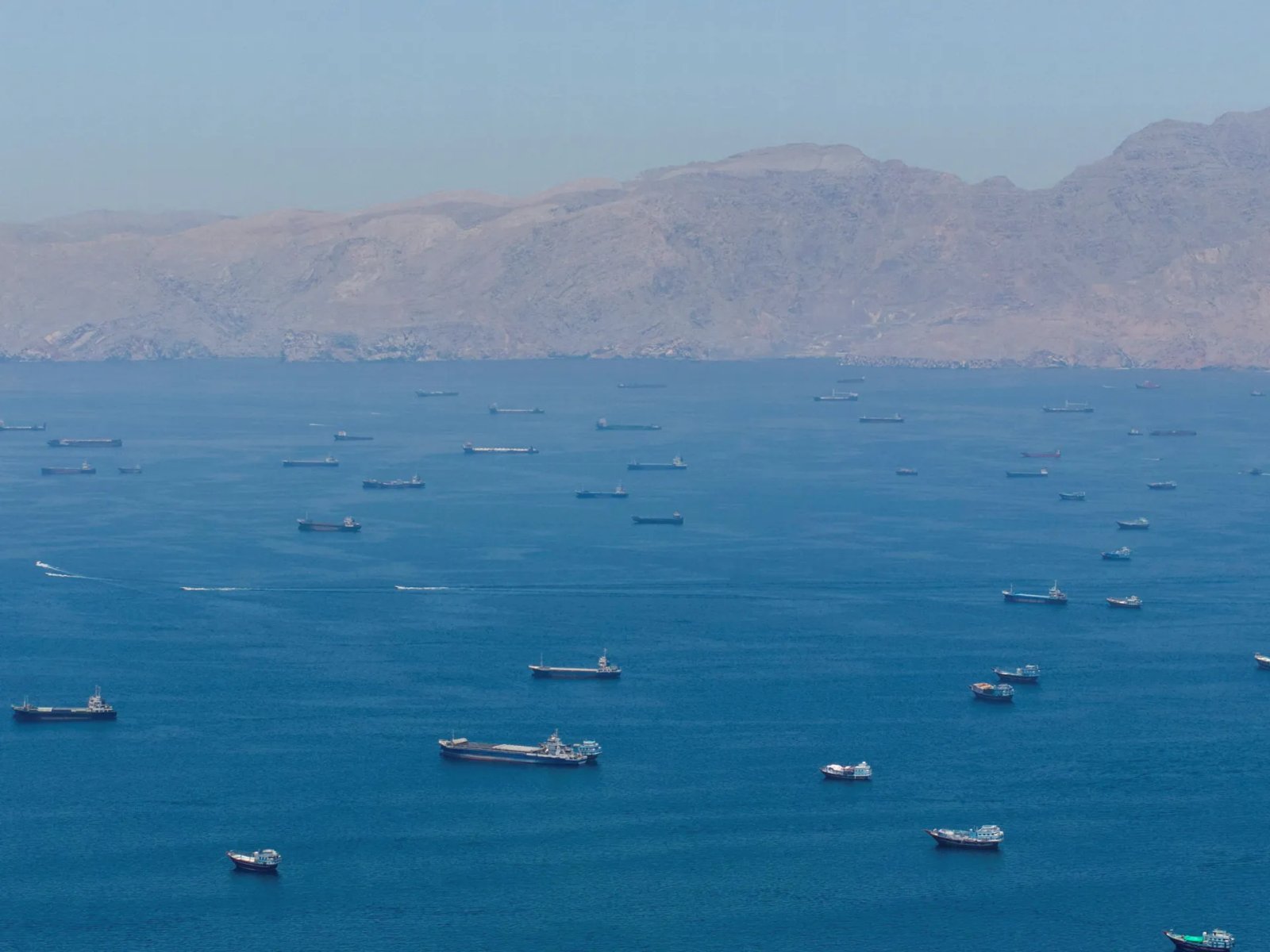
United States President Donald Trump’s claim that a deal to reopen the Strait of Hormuz has been largely negotiated may calm markets temporarily. But the deeper significance of the current crisis lies elsewhere. The issue is no longer only whether trade routes remain open but who has the power to condition access to them.
The specific terms of any agreement may evolve, and any diplomatic arrangement may still be delayed, contested or revised. But the broader pattern is already visible: Strategic trade routes are becoming more politically managed, commercially exposed and geopolitically contested.
The danger is not necessarily that diplomacy fails. The more important risk is that it succeeds just enough to disguise a weaker order as stability.
Temporary calm is not the same as strategic stability. Calm can be negotiated; stability must be trusted.
The most important shift, therefore, is not from war to peace but from disruption to governance.
Iranian plans for an authority to manage the Strait of Hormuz and exert greater influence over routing decisions and possible transit tolls show that Tehran is attempting to convert temporary leverage into a more permanent role in managing the waterway.
Therefore, the strategic question is shifting from access to governance. Access relates to whether ships can pass. Governance relates to who sets the rules, prices the risks, controls the exceptions and decides when normal commerce becomes conditional.
This matters not only for the Gulf, but for the wider international system. States that depend heavily on maritime trade now face a situation in which commercial access is shaped not simply by markets but also by geopolitical leverage, sanctions pressure, naval power and crisis diplomacy.
Asia remains central to this calculation. China, India, Japan and South Korea are among the principal end users of Gulf energy, and much of the commercial risk created by uncertainty in the Strait of Hormuz is transmitted eastwards. But the implications extend beyond Asia. Many developing economies remain highly exposed to energy volatility and shipping disruptions while possessing little influence over the geopolitical contest surrounding them.




 United Arab Emirates Dirham Exchange Rate