The Strait of Hormuz has become a key battleground in the US-Iran war, with both sides trading strikes over control of the strategic waterway
Iran launched attacks on several Middle East countries on Sunday morning — including Bahrain, Kuwait, Qatar, Oman and Jordan — in what it said was a response to repeated American ‘aggression’. The strikes are the biggest escalation yet of its war with the US since a ceasefire was brokered three months ago on April 8 and a Memorandum of Understanding (MoU) signed on June 12.
They come amid ongoing disputes over control and administration of shipping in the Strait of Hormuz, with Iran continuing to target ships it deems to be ‘violating’ the agreement and the US launching retaliatory strikes for every such incident.
Here’s what you need to know:
How many countries were targeted on July 12? Any known impact of the attacks yet?
Six countries reported detecting threats and intercepting attacks on Sunday morning.
-
Bahrain activated its sirens on three separate occasions to warn residents of possible threats.
-
The UAE issued a missile alert warning this morning; however, it later clarified that the threats detected were outside national borders and that the situation was stable.
-
Explosions were heard over Qatar’s capital of Doha, while defence forces said it had intercepted and repelled a number of ballistic missile attacks. Three people, including a child, were injured, due to debris falling from interception operations.
-
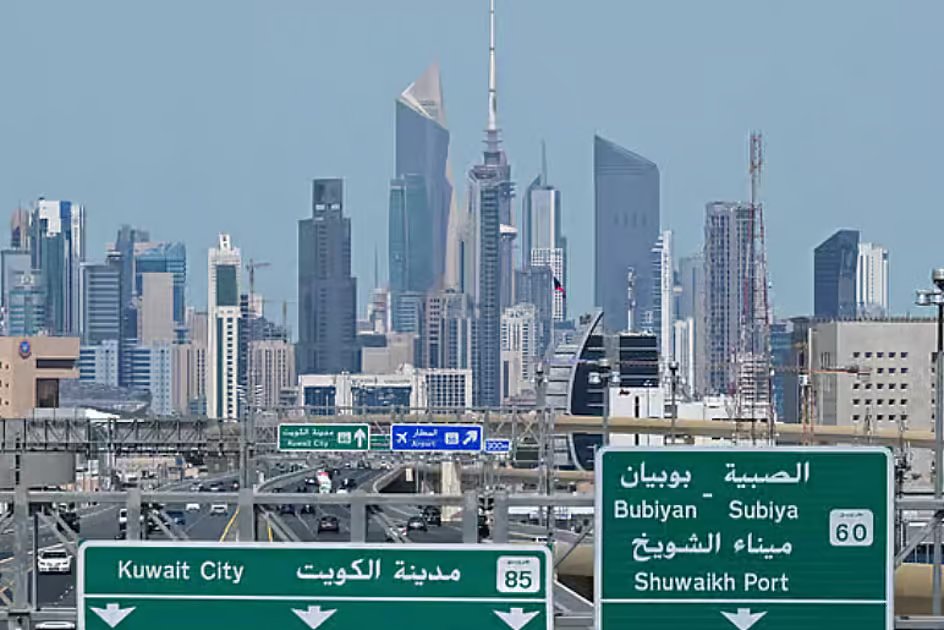
Kuwait reported intercepting hostile aerial targets that had entered its airspace and attributing the sounds of explosions to related operations.
-
Jordan cited an army source confirming three missiles launched from Iran had falling into its territory. Damage was limited to minor material losses and there were no human casualties, it added.
-
Oman confirmed sites in its Musandam governorate were also targeted by drones.
The Islamic Revolutionary Guard Corps (IRGC) in Iran have made multiple claims in the aftermath of the attacks, including the destruction of the command and control centre at Al Udeid Base in Qatar, as well as logical support centres and refuelling platforms for ships in Oman’s port of Duqm, and the targeting of a “second violating ship” in the Strait of Hormuz. At the time of publishing, these claims had yet to be verified.
Why are the US and Iran attacking each other despite the ceasefire agreement?
The US and Iran are locked in a stalemate over control of the Strait of Hormuz, a key shipping corridor that was used to route a fifth of the world’s oil and gas exports before the war. The closure of the waterway since the war has heavily impacted the world economy and throttled global energy supplies.
Iran insists on controlling the passage of ships and plans to charge fees, a stance Washington has rejected. It has been citing Point 5 of the Memorandum of Understanding signed with the US to assert its authority in being the sole administrator of the passage of commercial vessels — a point that analysts are now saying may have been poorly worded leading to misinterpretation.
Under customary international law, states are not generally permitted to charge tolls on straits used for international navigation. The disagreement on how the MoU should be interpreted is pushing the fragile détente between the two nations back to brinkmanship, with US President Trump renewing threats to “finish the job” and Iran promising to make Washington “pay the price” for what it perceives as continued violations.
What are the events that led up to the most recent escalation?
The Strait of Hormuz has been a sticking point throughout the US-Iran negotiations but has increasingly become a flashpoint in the war, given its impact on the global economy. Earlier this week, the IRGC struck three commercial vessels near Oman, in line with its stance that ‘unauthorised’ shipping was a direct breach of the MoU. This triggered a series of tit-for-tat strikes between the US and Iran.
On July 7 and 8, the US military executed consecutive nights of strikes, hitting a combined 170 targets in what it called an attempt “to degrade Iran’s ability to attack civilian mariners and commercial vessels freely transiting the strait”. On both occasions, Iran — vowing a ‘crushing response’ — launched a wave of strikes targeting US assets across Kuwait and Bahrain.
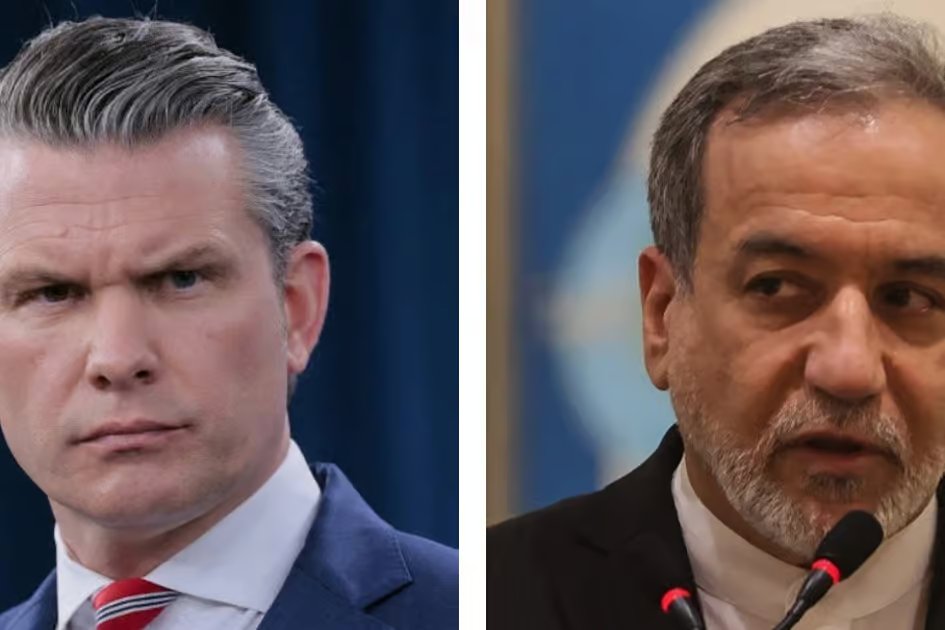
In the early hours of July 12, the US conducted its third round of strikes in retaliation for the IRGC attacking a Cyprus-flagged container ship in the Strait of Hormuz, bombing roughly 140 Iranian sites (see video below) — which led to the extensive Iranian response on Middle Eastern countries this morning. Following the overnight strikes, US Secretary of War said, “Iran made a poor choice. Now they pay.”
— U.S. Central Command (@CENTCOM) July 12, 2026
Is the Strait of Hormuz closed?
Iranian state news agency IRNA cited the IRGC as declaring the Strait of Hormuz “closed until further notice” due to ongoing aggression. Iran’s Guards also noted the Strait would only reopen once US military involvement in the region ends and that all maritime traffic is prohibited until then. US Central Command, however, said commercial vessels continue to transit through the waterway.
What is the status of negotiations?
Iran insisted on Saturday it had “kept its word” on a ceasefire with the United States, after President Donald Trump insisted the truce was over but that he had agreed to further negotiations with the Islamic republic.
While there have been no direct talks between Iran and the United States since last month, Iranian media reported that a delegation from mediator Qatar was in Tehran after the sides exchanged strikes.
“The Islamic Republic of Iran has asked us to continue ‘talks.’ We have agreed to do so, but the United States has stated to them, in no uncertain terms, that the Cease Fire is OVER!” Trump posted on his Truth Social platform.
Earlier this week, at a NATO summit, Trump also declared the ceasefire over, saying of Tehran: “It’s just a waste of time dealing with them.”
Iranian Foreign Minister Abbas Araghchi hit back on Saturday, insisting that Tehran “has so far kept its word, unlike the so-called US Treasury Secretary who is violating Para 9 of the MoU”.
That refers to part of the memorandum of understanding that Iran will “maintain the current status quo of its nuclear program” and the United States “will not impose any new sanctions, and will not deploy additional forces in the region”, pending a final deal.
“That violation follows other violations and missteps by the United States. Reality check: There can only be mutual compliance,” Araghchi added.
US and Iranian delegations have held one round of direct talks in Switzerland since the signature of their memorandum of understanding, as well as indirect negotiations in Qatar, but there has been no sign of diplomatic progress since.
Meanwhile, Sunday’s attack on Oman comes a day after Iranian foreign minister Abbas Araghchi travelled to the Sultanate to discuss arrangements for managing maritime traffic and shipping through the Strait of Hormuz. A statement by the Iranian foreign ministry said the two countries agreed to continue discussions aimed at reaching a common understanding on ensuring the security of shipping in the strait. A Qatari delegation also attended part of the talks, the spokesperson added.
Qatar’s mediation efforts have been central to attempts to broker a ceasefire between US and Iran; however, Doha has previously said it would not act as a mediator so long as it was under attack.
How are world leaders reacting?
Pakistan’s top diplomat Ishaq Dar called for “de-escalation” and for parties in the Iran conflict to “show restraint” during a phone call with his Iranian counterpart Abbas Araghchi on Sunday, a foreign ministry statement said. “Dialogue and diplomacy remain the only viable path to resolving disputes and achieving lasting peace and stability in the region,” he said.
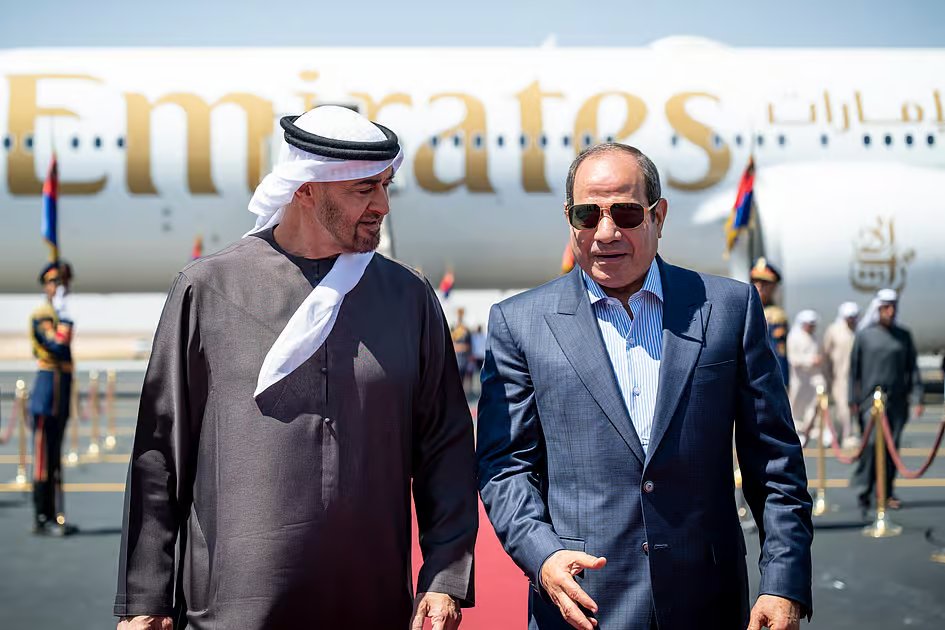
Egypt’s foreign ministry said there could be no justification for such attacks and called for restraint, respect for international law and efforts to prevent further instability in the region. Saudi Arabia strongly condemned Iran’s continued actions, accusing Tehran of undermining regional security and stability through repeated violations of international law. Mediator Qatar said the continuation of such attacks is a “serious escalation which complicates efforts to contain tensions in the region”.
(With inputs from AFP and Reuters)



 United Arab Emirates Dirham Exchange Rate