
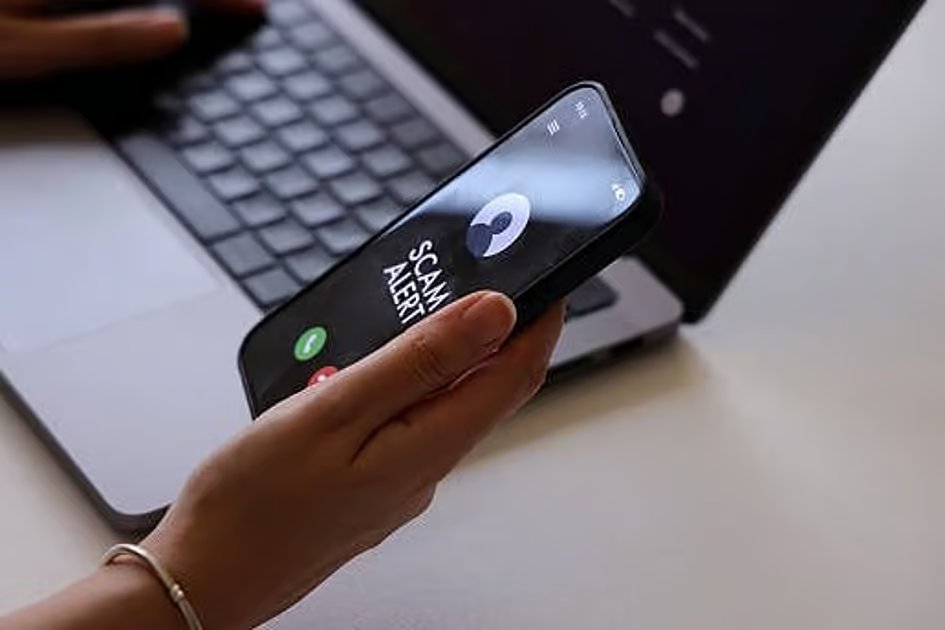
Social media-related fraud accounts for around 50 per cent of reported fraud cases, as scammers exploit people’s desire for convenience, lower prices, and quick profits
A Dubai retiree lost more than Dh400,000 in just two months after falling victim to an online investment scam, wiping out savings he had accumulated over 30 years.
The man initially transferred small amounts to an investment group he found on social media. After receiving what appeared to be profits, he began investing larger sums. But when he tried to withdraw his money, the fraudsters demanded additional payments.
Speaking to media, Ali Saeed Al Yamahi, Director of Dubai Police’s Anti-Fraud Center, said social media-related fraud accounts for around 50 per cent of reported fraud cases, as scammers exploit people’s desire for convenience, lower prices and quick profits.
Fraudsters advertise everything from insurance policies and domestic workers to vehicle sales, number plates and investment opportunities, often using attractive prices to persuade people to pay deposits or transfer money without verifying the provider.
Al Yamahi urged residents to avoid transferring money to personal bank accounts when paying for services that authorized businesses should provide. He warned that some scammers provide several account numbers under different names and ask victims to split payments between them.
Young jobseekers and investors at risk
Al Yamahi said young people aged 20 to 25 are among those being targeted through fake remote and part-time job offers.
Fraudsters may ask applicants to open bank accounts or digital wallets to receive and transfer money, drawing them into transactions linked to criminal activity. Some are later encouraged to invest their own money after seeing transactions that appear to show substantial earnings.
Investment scams also target people with savings, encouraging them to invest. In one case, a victim paid approximately Dh1 million into an investment scheme after collecting money from family members, only to discover that the funds could not be recovered.
Al Yamahi warned residents against offers promising monthly investment returns of 20 or 30 per cent, stressing that unusually high returns over short periods should raise suspicion.
Fake police calls and fraudulent links
Scammers also impersonate government officials and police officers, telling victims their bank accounts are under investigation or that their money could be frozen unless they transfer it to another account for verification.
In one case, a man was persuaded to transfer money over approximately a month after being threatened with an investigation into his finances. The money was eventually moved through accounts inside and outside the UAE.
Al Yamahi said another potential victim was instructed to leave his home and book a hotel room while waiting for further instructions about transferring money. After police intervened and helped him spot inconsistencies in the caller’s uniform, they stopped the attempted scam.
Fraudsters are also using fake consumer complaint links to collect personal information. They may then contact victims, pretending to be officials handling their complaints, and ask them to download apps that can expose sensitive data.
Al Yamahi stressed that people should never assume a caller is genuine because the number appears to be from the UAE. Residents should contact the relevant authority through official channels rather than follow instructions from unknown callers.
He also said police were monitoring the potential use of artificial intelligence to manipulate voices and appearances through deepfake technology. While such reports had not yet reached high levels at the time of the interview, he expected the threat to grow.
Report fraud immediately
Anyone who suspects they have been targeted should report the incident as quickly as possible through Dubai Police’s eCrime platform, the Dubai Police app, Police Eye or the 901 non-emergency number.
Al Yamahi warned that delays can make recovering money more difficult because fraudsters may transfer funds through multiple accounts within minutes.
He urged residents to verify sellers, employers and investment providers before making payments, avoid suspicious links and unverified applications, and never transfer money simply because someone claiming to represent a government authority demands it.
He added that public awareness remains a key line of defence, and encouraged people to share warnings with family and friends to help prevent others from becoming victims.
- Dubai






 United Arab Emirates Dirham Exchange Rate