At the start of the US-Israeli war on Iran, reports emerged that Jordan and Egypt have cut off gas supplies to Syria. These reports appeared as minor details amid the shock of the latest episode of US-Israeli aggression in the Middle East – part of an ongoing effort to reshape the region.
Yet such seemingly inconsequential reports conceal the longer-term, nonmilitary processes through which that reshaping is materially enacted. What was made clear by this news was that Israel has a growing energy control over the region – one that could help propel its colonialist agenda.
In January, Egypt began supplying 2.8 million cubic metres (98.9 million cubic feet) of gas per day to Syria through the Arab Gas Pipeline, which runs from Egypt’s El Arish through Taba to Jordan’s Aqaba and then north to Amman, then Syria’s Damascus and Homs and from there to Lebanon’s Tripoli. A memorandum of understanding was also signed with Lebanon for the import of gas from Egypt, but according to reports, the gas has not yet started flowing due to technical challenges.
Also in January, Jordan’s state-owned National Electric Power Company signed a deal with the Syrian Petroleum Company for the supply of 4 million cubic metres (141.2 million cubic feet) of gas daily.
From the moment news of the agreements surfaced, a central question emerged: where would Egypt and Jordan obtain gas for export?
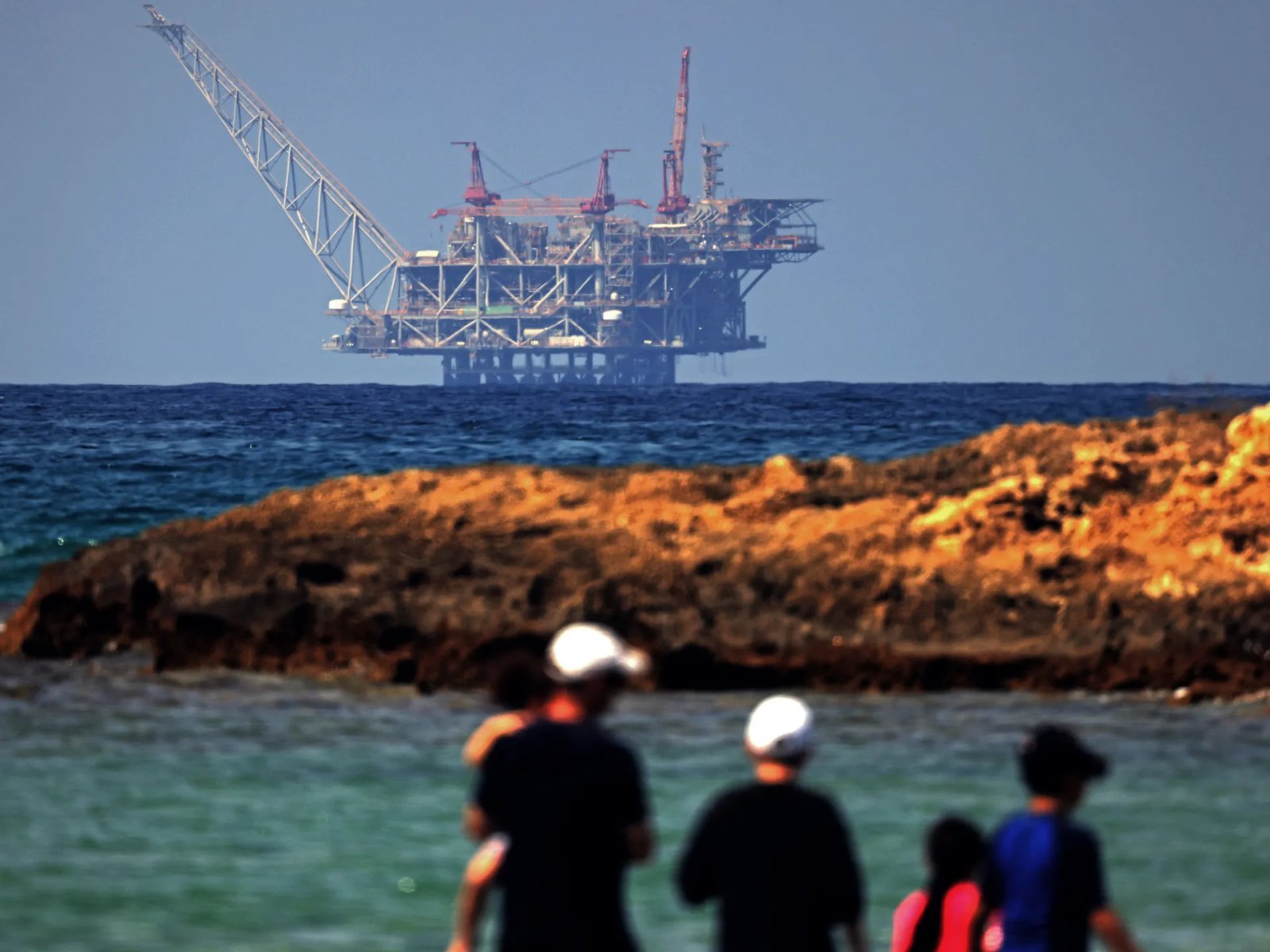
Egypt is a gas producer, but its local production has declined over the past years, hitting a six-year low of 49.3 billion cubic metres (1.7 trillion cubic feet) in 2024. The same year, its imports reached a record high of 14.6bcm (515.6 billion cubic feet), of which about 10bcm (353 billion cubic feet) came from Israel. Last year, Cairo signed a $35bn deal to import Israeli gas from Israel until 2040, boosting its previous supplies by another 2bcm (70.6 billion cubic feet) per year.
Although Egypt is a gas importer, it still exports gas. However, reports on what gas it is selling to Syria are conflicting. Some say it is of Israeli origin, while others claim it comes from liquified gas intended for Egypt, received in the Jordanian port of Aqaba, where it is regasified and pumped north through the Arab Gas Pipeline.
Unlike Egypt, Jordan is not a major gas-producing country. Local production accounts for less than 5 percent of gas (PDF) needs. It imports the rest, about 3.6bcm (127 billion cubic feet) per year, mostly from Israel, but also Egypt and some LNG sources.
When questions arose regarding the source of Jordanian gas sales to Syria, a Syrian official responded that the imported gas was “not of Jordanian origin”, but was rather liquefied natural gas bought from global markets and regasified at Aqaba.






 United Arab Emirates Dirham Exchange Rate