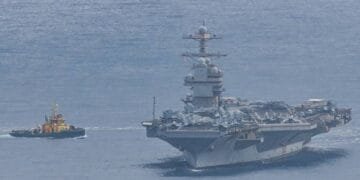

Four citizens accused of relaying sensitive coordinates of vital installations to Tehran as regional conflict escalates.
MANAMA – Bahraini authorities have dismantled a spy ring allegedly operating on behalf of Iran’s Islamic Revolutionary Guard Corps (IRGC), arresting four citizens accused of transmitting sensitive intelligence on vital infrastructure to Tehran.
The arrests come as the Gulf region reels from a significant escalation in hostilities, with Iran launching retaliatory strikes across multiple countries, targeting airports, commercial shipping, and energy facilities.
Bahrain’s General Directorate of Criminal Investigation named the detained suspects as Murtadha Hussain Awal (25), Ahmed Isa Al Haiki (34), Sarah Abdulnabi Marhoon (36), and Elias Salman Mirza (22). A fifth suspect, Ali Mohammed Hassan Al Shaikh (25), remains at large and is believed to be residing abroad.
According to investigators, the cell operated under direct instructions from the IRGC. The suspects allegedly utilized high-resolution equipment to photograph and record the precise coordinates of strategic locations within the kingdom. The gathered intelligence was then transmitted to Iranian handlers using encrypted software.
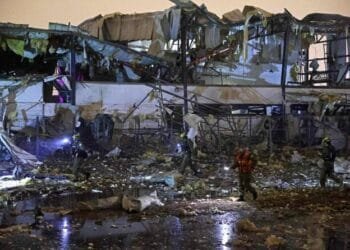
The announcement follows a wave of Iranian strikes on Gulf soil. On Wednesday, residents in several Bahraini towns were advised to shelter indoors after Iranian strikes ignited fuel tanks in the Muharraq Governorate. Simultaneously, Oman’s Port of Salalah reported battling fires at its fuel storage terminals following drone attacks.
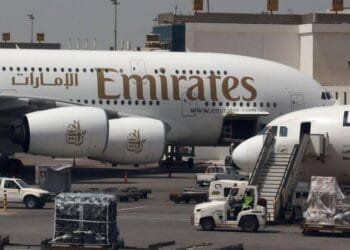
The United Arab Emirates was also targeted, with two drones striking near Dubai International Airport, injuring four individuals. A separate drone attack sparked a fire at a luxury apartment tower in Dubai Creek Harbour, which was extinguished by Thursday morning.
The escalating conflict, now in its twelfth day, was triggered by coordinated US-Israeli strikes on Iran on February 28. Tehran has since vowed retaliation, declaring a blockade on energy shipments through the strategic Strait of Hormuz—a move that has sent global oil and gas prices soaring.
The financial toll of the conflict is mounting. The Pentagon reported to Congress this week that the first week of operations cost the United States approximately $11.3 billion, with $5 billion spent on munitions in the opening weekend alone.
In a bid to de-escalate the situation, the UN Security Council passed a resolution on Wednesday demanding an immediate halt to Iranian attacks on Gulf nations. Bahrain’s UN Ambassador, Jamal Alrowaiei, praised the international response, stating that the global community is united in rejecting actions that threaten the stability of a region “of strategic importance to global economy, energy security and global trade.”
Despite the diplomatic pressure, there were no immediate signs of a cessation of hostilities

 United Arab Emirates Dirham Exchange Rate