Women recount being bound, threatened, and pressured to inform after arduous journey; Israeli military denies any misconduct at screening facility.
KHAN YOUNIS, Gaza Strip – For the first Palestinians allowed to return to Gaza through the recently reopened Rafah crossing, homecoming turned into an ordeal of alleged intimidation and humiliation at the hands of Israeli forces.
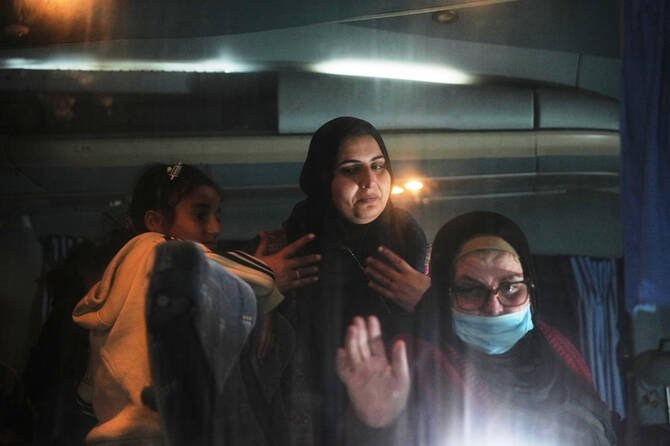
Three women who entered on Monday—the first day the border reopened after being shut for most of the Israel-Hamas war—said Israeli troops handcuffed and blindfolded them, subjected them to hours of interrogation, and pressured them to become informants.
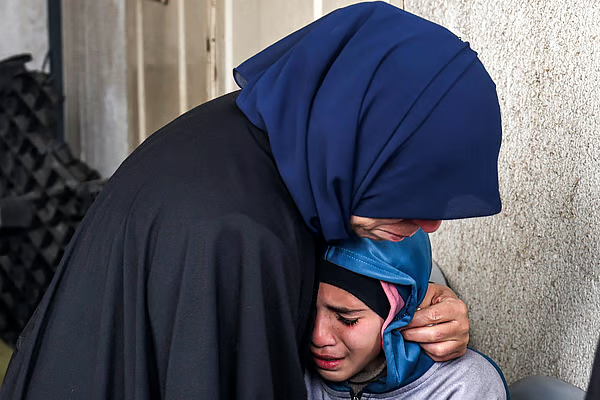
Rotana Al-Regeb, who returned with her mother Huda Abu Abed after receiving medical treatment abroad, described being taken to what she called a “humiliation room” at an Israeli screening station near the crossing. “They threatened that they will detain me and I won’t return to my children,” said Al-Regeb, a mother of five now living in a Khan Younis tent. “There was no beating, but there were insults, threats, and psychological pressure.”
Sabah Al-Qara, 57, gave a similar account, saying soldiers questioned them about Hamas and events in Gaza. “We were outside Gaza and knew nothing,” she said. “The Israelis humiliated us.”
The Israeli military, asked about the allegations, stated it knew of “no incidents of inappropriate conduct, mistreatment, apprehensions, or confiscation of property by the Israeli security establishment.” The military said its screening facility cross-checks identities with Defense Ministry lists and inspects luggage.
The return process proved grueling even before the interrogation. Dozens waited hours on the Egyptian side, but only 12 people—mostly women, children, and the elderly—were ultimately allowed through on a single bus. Their luggage, packed with gifts for family, was heavily searched and mostly confiscated by European monitors and Israeli authorities, leaving them with little more than the clothes they wore.
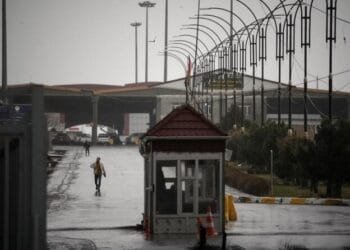
Israel has announced plans to allow only around 50 returnees per day through Rafah, which it seized in May 2024. The crossing is now operated by a European Union mission and Palestinian officials, though Israel retains control over approvals and screening.
More than 110,000 Palestinians left Gaza in the early months of the war, with thousands evacuated for medical care. An estimated 30,000 have since registered to return with the Palestinian Embassy in Egypt, but the slow, scrutinized process—and now accounts of alleged abuse—threaten to deter many from attempting the journey home.
Hamas condemned Israel’s alleged treatment of returnees as “fascist behavior and organized terrorism,” calling on mediators to ensure safe passage.




 United Arab Emirates Dirham Exchange Rate