Sajid Al Abadla sits on a cement bench opposite the seashore in a carefully chosen spot on Gaza’s pristine shores, not far from Khan Younis, now the scene of heavy fighting.
He begins his daily routine early each morning by activating a non-Palestinian e-sim on his mobile phone. Then, he sets out to create a communication point accessible for displaced people who come to this location in the hope of connecting with their relatives at home and abroad.
“Going slightly north, you won’t pick a signal, and further south too wouldn’t work. Here is the best location to get those e-sims to work,” he told media.
Mr Al Abdala, 26, is one of several young men who have become known locally as “Gaza’s human routers”, setting up in locations across Gaza which they have tested after countless trials, and found to have stronger telecommunication signals than other parts of the besieged enclave.
Since October 27, when Israel first cut the internet off for 2.3 million people trapped in Gaza and forced into internal displacement amid heavy bombardments, the population has endured several communications blackouts.
This has hindered humanitarian relief for those in need and leaving families scattered across the enclave unable to communicate with each other, as the death toll climbs.
The following day, on October 28, several initiatives on social media sprung up to provide Gazans with free, paid-for e-sim cards: an electronic version of the normal sim cards, which are connected to phones, circumventing the severe damage done to Gaza’s telecommunication networks, and the electricity blackout that has engulfed it.
According to organisers of the #ConnectingGaza campaign, thousands of Gazans have been connected by these e-sims, provided by donors from around the world. But due to difficulties faced by many to activate them – in some cases because their phones were not compatible with e-sims, the assistance of Mr Al Abdala is limited.
Balanced on his toes on a bench with a mobile phone raised high in the sky to reach a signal in a location tested for having the strongest internet reception in this part of Gaza, Mr Al Abdala smiled.
“It’s amazing to see people, who have gone through so much for months, and have been unable to connect with loved ones, it’s amazing to see their eyes light up when hearing voices of loved ones, alive and safe. I’m happy to be part of these efforts, here and abroad, to connect people despite almost complete interruption of communications and the Internet in the Gaza Strip,” he said.
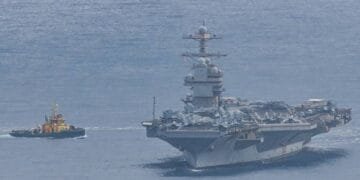
Standing on the shore, Mr Al Abdala and other young men can easily see Israeli navy boats near the coast. They say that on numerous occasions the boats have fired into Gaza.
Accessing these locations is also not easy. Due to severe fuel shortages, commuting by car is not affordable for most people, and takes a good hour to get to the coast from the nearest refugee camps in Al Mawasi.


 United Arab Emirates Dirham Exchange Rate