
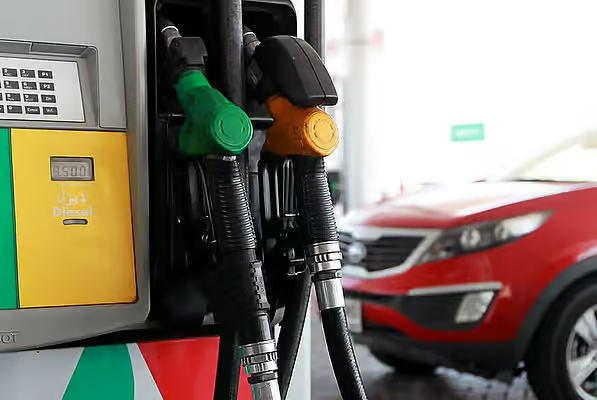
Dozens of nations across Asia, Africa, and Europe raise retail fuel costs by up to 80% as geopolitical tensions drive oil prices up 57% in just one month.
Dubai: Retail fuel prices have soared across dozens of countries worldwide, with increases ranging from under 5% to more than 80%, as the ongoing military conflict involving the US, Israel, and Iran—coupled with the closure of the strategic Strait of Hormuz—triggers a sharp spike in global oil markets.
Nations reporting significant hikes include Pakistan, the Philippines, the US, Australia, Canada, China, the UK, Japan, and several European and African nations. According to data as of March 25, the Philippines recorded the steepest rise, with oil prices climbing over 80% due to the ongoing Middle East conflict.
In Europe, the average fuel price increase stood at around 12% between late February and mid-March.
UAE Poised for Adjustment
All eyes are now on the UAE, which is scheduled to announce its petrol prices for April 2026 on March 31. The UAE deregulated fuel prices in August 2015, allowing domestic rates to float in line with global benchmarks.
Since February 27, global oil prices have surged dramatically. Brent crude has risen from $72.87 per barrel to $114.70 per barrel as of the morning of March 30—an increase of more than 57% in just over a month.
Given this upward trajectory in global markets, fuel costs at UAE service stations are widely expected to increase when the new rates are released tomorrow.
Context from March 2026
In March 2026, the UAE raised fuel prices by approximately Dh0.14 per litre. The current prices stand at:
- Super 98: Dh2.59 per litre
- Special 95: Dh2.48 per litre
- E-Plus 91: Dh2.40 per litre
- Diesel: Dh2.72 per litre
Motorists in the UAE are advised to monitor the official announcement on March 31, which will determine the final retail rates for April.






 United Arab Emirates Dirham Exchange Rate