Europe’s move to re-impose UN sanctions against Iran over its nuclear programme will make diplomacy more difficult, experts say.
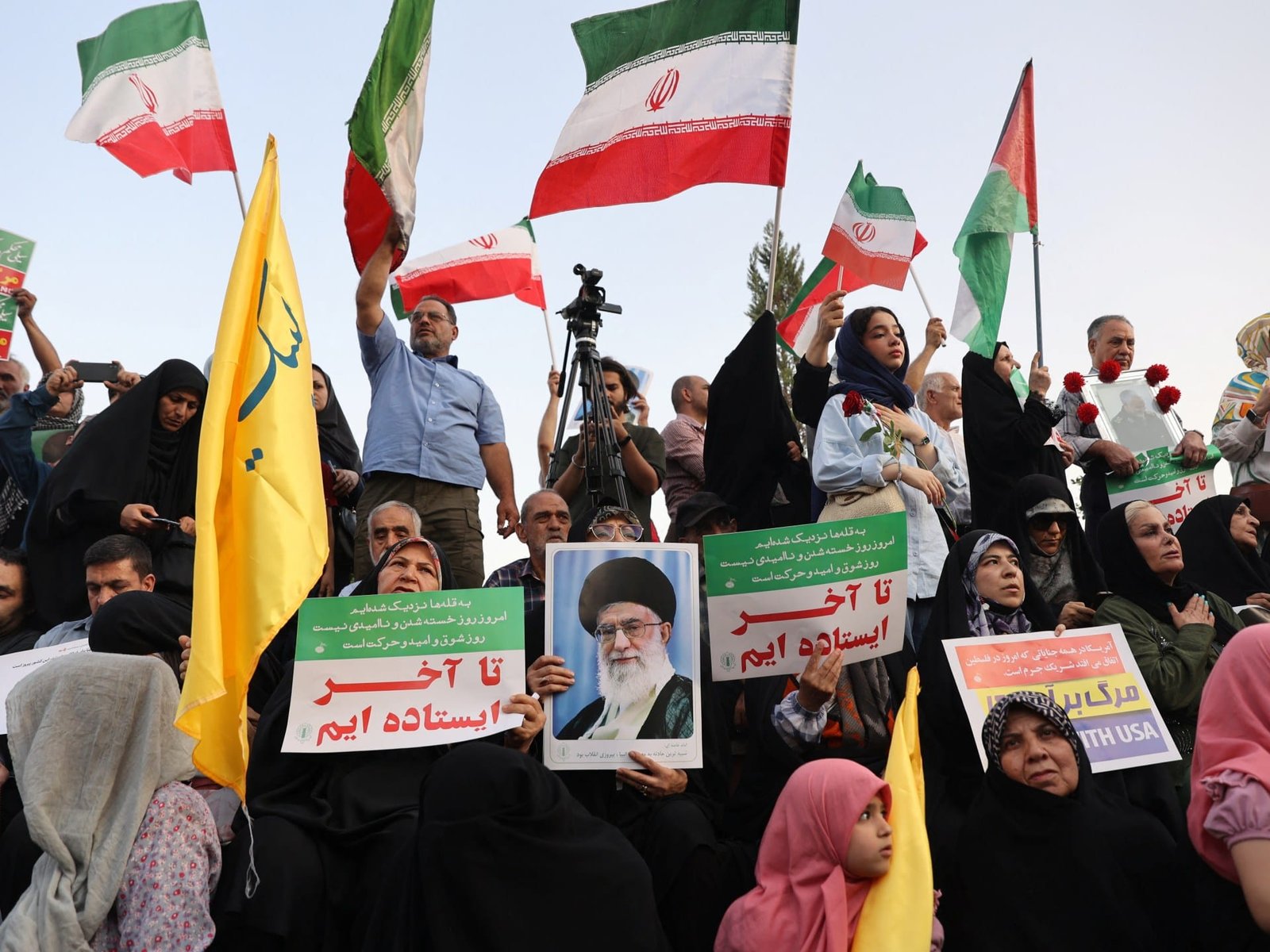
Washington, DC – The decision by European countries to impose “snapback” sanctions against Iran may further exacerbate international tensions, experts say, as fears of a regional war loom over the Middle East.
On Thursday, Germany, France and the United Kingdom – Europe’s largest economies – triggered a 30-day process to reimpose sanctions over what they called “significant” violations of a 2015 agreement to limit Iran’s nuclear programme.
“What we’re heading toward is the snapback scenario where the sanctions come back and Iran is likely to retaliate in some way that’s unhelpful,” said Ryan Costello, the policy director at the National Iranian American Council (NIAC).
And the tensions could escalate into renewed violence after the Israeli attacks on Iran earlier this year. “It’s another kind of domino falling on the way toward the June war reigniting,” Costello said.
The United States, which bombed three nuclear facilities in June as part of an Israeli assault on Iran, has welcomed the European countries’ move.
But the administration of US President Donald Trump has also kept the door open for talks with Iran.
“The United States remains available for direct engagement with Iran – in furtherance of a peaceful, enduring resolution to the Iran nuclear issue,” US Secretary of State Marco Rubio said in a statement. “Snapback does not contradict our earnest readiness for diplomacy, it only enhances it.”
Costello, however, underscored that Iran was at the table before Israel launched its 12-day war.
Costello said that, in order to return to the nuclear discussions, the US and Europe first have to rebuild trust with Iran.
“The overwhelming sentiment in Iran is that those talks were all a ruse – that Israel was going to attack Iran with US support to some degree regardless of what they did at the negotiating table,” he told media. “So both the Europeans and the US have to reflect that reality.”
The current crisis can be traced back to Trump’s decision to pull the US out of the 2015 Iran nuclear deal during his first term in 2018.
The 2015 accord – formally known as the Joint Comprehensive Plan of Action (JCPOA) – compelled Iran to curb its nuclear programme in exchange for lifting international sanctions against its economy.
What is snapback?
But to ensure that Iran can be penalised quickly if it violates the agreement, the deal included a “snapback” mechanism to reimpose a series of United Nations sanctions.
The mechanism gave any signatory to the agreement – the US, UK, Germany, France, Russia or China – the power to kickstart a process to revive six UN Security Council sanctions resolutions.
Since the US exit in 2018, Iran has been gradually escalating its nuclear programme, but Iranian officials insist that the country is not seeking a nuclear weapon.
Thursday’s decision to reimpose UN sanctions on Iran appears to be timed against the expiration of the snapback provision in October, which marks 10 years after the nuclear deal came into effect.
Experts say the governments in Paris, London and Berlin are essentially invoking a provision from a long-abandoned agreement to secure UN sanctions against Iran.
Sina Toossi, senior fellow at the Center for International Policy, said the snapback was included in the JCPOA to ensure that all sides abide by the deal, but European powers are using it to further pressure Iran.
“The overall US and European approach to Iran has been just brute power – like might is right,” Toossi told media.
“Anything about legal contacts and history and international norms doesn’t matter. They just want to use this instrument to unilaterally reimpose sanctions on Iran.”
France, Germany and the UK, however, have outlined three conditions to delay the snapback sanctions by six months.
The demands are for Iran to resume direct talks with the US, restore full cooperation with the UN nuclear watchdog, and disclose the new location for its heavily enriched uranium after the US and Israeli strikes.
Some US reports have suggested that the uranium stockpiles are buried under the now-damaged nuclear facilities, but Iran may have also moved the material before the US bombed its nuclear sites.


 United Arab Emirates Dirham Exchange Rate