
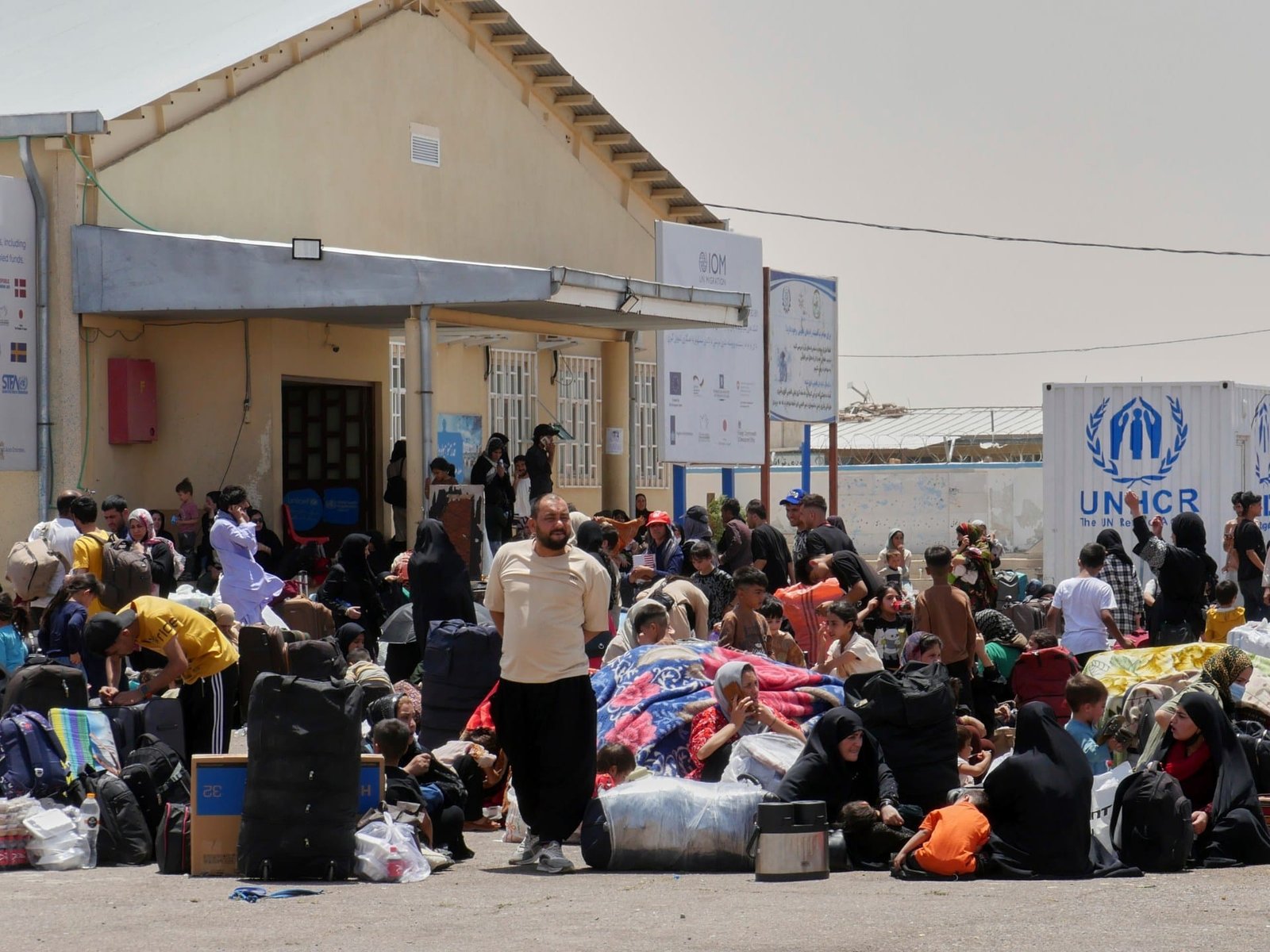
Tehran, Iran – The wave of Afghan refugees and migrants being sent back from Iran has not stopped, with more than 410,000 being pushed out since the end of the 12-day war with Israel on June 24.
More than 1.5 million Afghan refugees and migrants have been sent back in 2025, according to the United Nations’ International Organization for Migration (IOM), while the Red Cross says more than one million people more could be sent back by the end of the year.
Iran has been hosting Afghans for decades. While it has periodically expelled irregular arrivals, it has now taken its efforts to unprecedented levels after the war with Israel that killed more than 1,000 people in Iran, many of them civilians.
Iran has also been building a wall along its massive eastern borders with Afghanistan and Pakistan to stem the flow of irregular migration, and smuggled drugs and fuel.
The parliament is also planning for a national migration organisation that would take over its efforts to crack down on irregular migration.
“I feel like we’re being singled out because we’re easy targets and don’t have many options,” said Ahmad*, a 27-year-old undocumented Afghan migrant who came to Iran four years ago.
Like others, he had to work construction and manual labour jobs before managing to get hired as the custodian of an old residential building in the western part of the capital, Tehran.
At the current rate of Iran’s heavily devalued currency, he gets paid the equivalent of about $80 a month, which is wired to the bank card of an Iranian citizen because he cannot have an account in his name.





 United Arab Emirates Dirham Exchange Rate