Tehran would halt attacks on neighbouring countries unless they were used as launch points for strikes against Iran
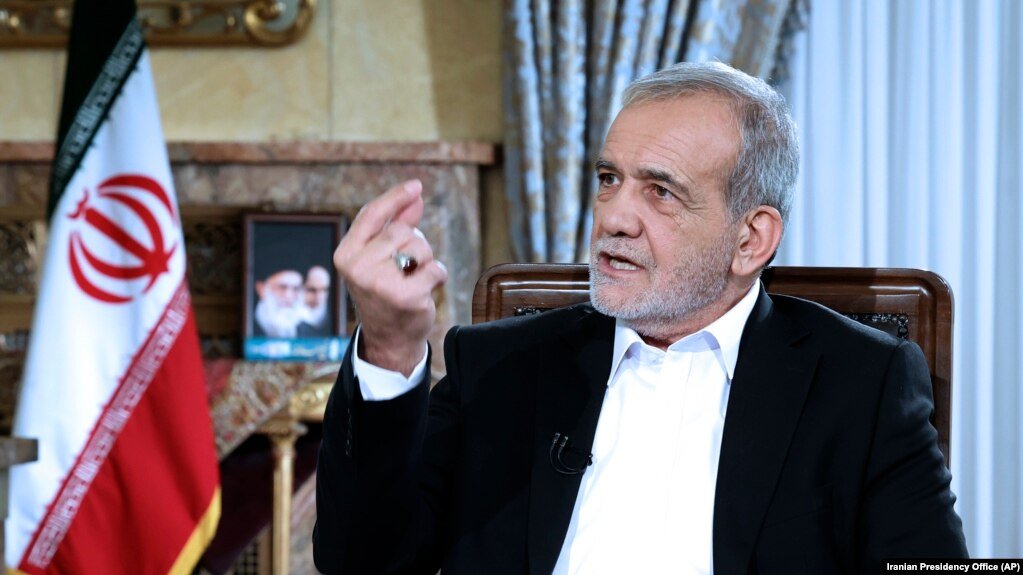
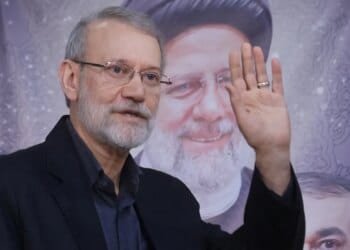
Iranian President Masoud Pezeshkian on Saturday firmly dismissed US calls for Tehran’s unconditional surrender, even as he issued a rare apology for Iranian missile strikes on neighbouring Gulf countries—a candid acknowledgment of command breakdowns within Iran’s military as the war with the United States and Israel escalates.
In a prerecorded speech aired on state television, Pezeshkian rejected Washington’s ultimatum as detached from reality.
“The notion that Iran would ever agree to unconditional surrender is a fantasy they can take to their graves,” he declared.
At the same time, he adopted a conciliatory position toward Gulf states affected by recent Iranian missile and drone launches, pledging to halt attacks unless those countries are used as staging grounds for strikes on Iran.
“I extend my apology to the neighbouring nations affected by these attacks,” Pezeshkian said. “From now on, Iran will not strike our neighbours unless we are attacked from their territory.”
Command Confusion After Leadership Losses
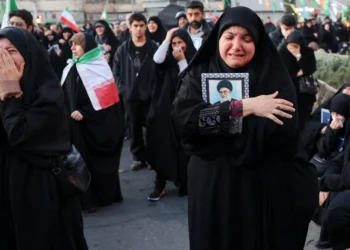
Pezeshkian suggested the recent strikes on Gulf states may have stemmed from confusion within Iran’s military chain of command following the killing of Supreme Leader Ayatollah Ali Khamenei and other top officials in the first days of the conflict.
The war erupted on February 28 after US‑Israeli operations targeted Iran’s military, nuclear infrastructure and leadership sites.
The president said the country’s three‑member leadership council has since re-established communication with military commanders in an effort to restore full operational control.
Iran’s Islamic Revolutionary Guard Corps (IRGC)—which directs much of Iran’s military response—traditionally answers directly to the supreme leader, raising concerns about disjointed decision‑making after Khamenei’s death.
Conflict Spreads Across the Gulf
Despite Pezeshkian’s conciliatory remarks, Iranian attacks continued early Saturday.
Air‑raid sirens rang out in Bahrain, Saudi Arabia intercepted drones near the Shaybah oil field, and a ballistic missile targeting Prince Sultan Air Base—home to US forces—was shot down, according to Saudi officials.
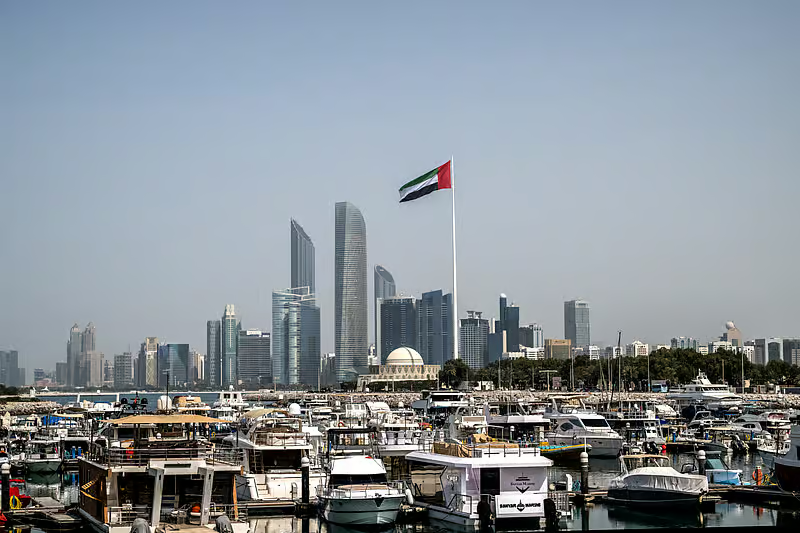
In Dubai, multiple explosions were heard as air‑defense systems activated. Passengers at Dubai International Airport were moved into underground train tunnels after alerts were issued. Emirates briefly suspended operations before announcing a gradual resumption, drawing applause from travellers stranded inside the terminal.
Authorities have not yet clarified whether a missile was intercepted near the airport or if any damage occurred.
US Warns of Larger Strikes Ahead
The United States has signalled that the conflict is far from nearing an end.
President Donald Trump’s administration approved a $151 million weapons package for Israel, while US officials cautioned that the most extensive bombing operation of the conflict is still to come.
US Treasury Secretary Scott Bessent said in a televised interview that the “biggest bombing campaign” had not yet begun.
American and Israeli forces continue to target Iran’s military assets, naval forces and nuclear facilities, and officials in Washington have hinted that the campaign may ultimately influence Iran’s internal political structure.
Iran’s ambassador to the United Nations responded by vowing that Tehran would take “all necessary measures” to defend the nation.
Rising Casualties and Wider Spillover
The human cost of the conflict continues to mount.
Iranian officials report at least 1,230 fatalities, while Israel says around a dozen people have been killed by Iranian missiles.
In Lebanon—where Israel is engaged in heavy clashes with Hezbollah—over 200 people have been killed and hundreds more injured.
Israeli airstrikes have repeatedly hit Hezbollah positions in Beirut’s southern suburbs, while Hezbollah claims its fighters have engaged Israeli troops in eastern Lebanon.
Energy Markets on Edge
Global markets are being shaken by the widening conflict.
Oil prices surged past $90 per barrel, the highest level in more than two years, as concerns grow that attacks on Gulf energy facilities could severely disrupt global supplies.
Qatar’s energy minister Saad Al‑Kaabi warned that the conflict could lead to a large‑scale shutdown of Gulf exports and potentially push oil prices toward $150 per barrel.
“Such a disruption could bring down the economies of the world,” he told the Financial Times.
Regional Diplomacy Intensifies
Amid fears of further escalation, regional leaders are ramping up diplomatic engagement.
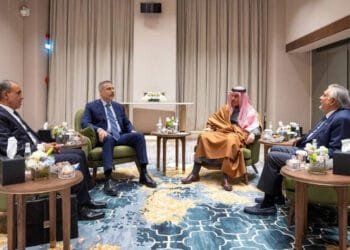
Saudi Arabia’s Defence Minister Prince Khalid bin Salman met Pakistan’s army chief Field Marshal Asim Munir in Riyadh to discuss joint responses to Iranian attacks.
Under their mutual defence pact, an attack on one state is considered an attack on both.
Analysts caution that Iran’s widening strikes risk turning what began as a confrontation with Israel into a broader regional conflict involving Arab neighbours.
“By spreading the conflict to the Gulf, Tehran risks turning this into a confrontation between Iran and the Arab world,” wrote Sultan Al‑Khulaifi of the Center for Conflict and Humanitarian Studies.
As the war enters its second week, hopes for a diplomatic breakthrough remain slim—while the conflict increasingly threatens global energy flows, international aviation, and regional stability.


 United Arab Emirates Dirham Exchange Rate