Iran intensifies attacks across Gulf as Israel hits Tehran
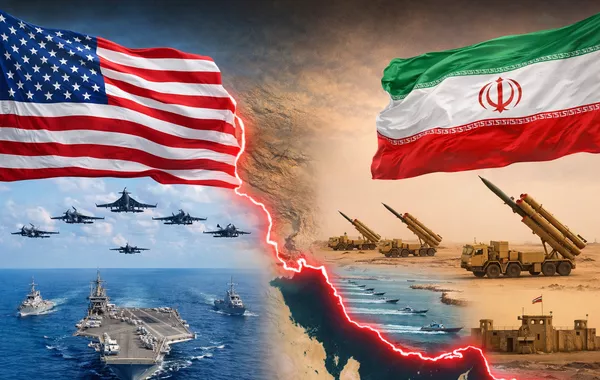
The conflict involving the United States, Israel, and Iran has entered an increasingly perilous stage, with Washington ramping up its military offensive, Tehran broadening its retaliatory strikes across the Gulf, and global energy markets reacting sharply to mounting threats against vital oil supplies.
In a major escalation, US President Donald Trump declared that “no deal” with Iran would be possible short of unconditional surrender, dramatically raising tensions in a war that has already spread far beyond the original flashpoints in Iran and Israel to Gulf nations hosting American forces.
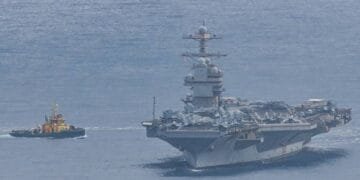
The remarks came as US and Israeli forces continued heavy bombardment of Iranian military installations and leadership sites, while Iran unleashed successive waves of missile and drone attacks on Israel and US‑aligned states across the Gulf, the Caucasus, and parts of the eastern Mediterranean.
Conflict Expands Across the Gulf
Iran’s retaliatory operations have widened the battlefield, striking US-linked assets and key infrastructure across multiple Gulf nations.
Several Gulf countries have come under missile and drone fire, with Iran targeting facilities connected to American military deployments as well as regional energy and maritime infrastructure.
The UAE has intercepted numerous projectiles during the fighting. Authorities report that Iran launched hundreds of drones and missiles toward Emirati territory, resulting in casualties and damaging property in several areas.
Meanwhile, Iran has fired drones and missiles toward Kuwait, while Oman has reported attacks on shipping routes and critical infrastructure.
Oil Markets Reel Amid Supply Shock
Global energy markets are among the first sectors to feel the impact of the widening conflict.
Crude prices climbed above $90 per barrel, with analysts warning that continued instability could push prices past $100 if Gulf export routes remain compromised.
Tanker traffic through the Strait of Hormuz—a strategic artery for roughly 20 million barrels of oil per day—has plummeted as shipping companies reroute vessels away from the danger zone. Escalating insurance premiums and security warnings have effectively strangled the world’s most important energy corridor.
The disruption has already reduced fuel shipments from the Middle East to Asia, triggering shortages and driving up costs for refined products.
Gulf Logistics and Infrastructure Under Pressure
The war is beginning to strain global supply chains and regional logistics networks.
Shipping giant Maersk has suspended several major routes connecting the Middle East with Asia and Europe, while commercial and humanitarian supply flows are facing severe interruptions.
Energy sites have also come under attack. Iranian drones struck Saudi Arabia’s Ras Tanura refinery, the kingdom’s largest oil processing facility, forcing partial shutdowns and sending oil prices sharply higher.
Analysts warn that continued strikes on Gulf energy assets could impact not just oil but also gas and petrochemical exports, deepening the global economic fallout.
Diplomacy Stalls Amid Intensifying Violence
Despite mounting international alarm, there is little sign of de-escalation.
Iran has rejected Washington’s demands for surrender and vowed to continue retaliatory operations, while the US has indicated that further military action is imminent.
Diplomatic pressure is rising, with world leaders and aid agencies warning that the conflict could widen dramatically if negotiations fail to curb hostilities.
For the Gulf—home to vital energy hubs, major shipping lanes, and significant US military deployments—the confrontation is fast becoming the most severe security crisis the region has witnessed in decades.





 United Arab Emirates Dirham Exchange Rate