With PTSD cases and suicides rising, the military and grassroots groups are scrambling to support a generation of traumatized veterans.
SDOT YAM, Israel – For a former Israeli soldier, a moment of peace comes from an unlikely source: the cold, tight wrap of a snake around his forearm. The 27-year-old sergeant major, who was wounded in a Hamas missile attack, says the sensory focus grounds him, offering a brief respite from the flashbacks and panic attacks that have persisted since his service in Gaza.
His story is part of a growing crisis. Israel’s prolonged war against Hamas is creating a wave of traumatized soldiers, with reported cases of post-traumatic stress disorder (PTSD), depression, and suicide reaching alarming levels.
According to Israel’s defense ministry, nearly 11,000 soldiers have been documented with “mental health injuries” since the war began on Oct. 7, 2023. This staggering figure represents more than a third of all such cases recorded in Israel’s conflicts since its founding. The ministry defines these injuries as encompassing PTSD, anxiety, and depression.
The human cost is also being measured in lives lost. The annual average of soldier suicides was 13 in the decade before the war. That number rose to 21 last year alone, according to army data, which covers active-duty and reserve troops. A recent parliamentary report highlighted the scale of the despair, noting that an additional 279 soldiers attempted to take their own lives between January 2024 and July 2025.
“There’s now a genuine understanding that psychological injuries have profound consequences and that treatment is both necessary and practical,” said Limor Luria, deputy director general of the defense ministry’s Rehabilitation Department. She noted a “generational difference,” with today’s soldiers more willing to seek help than veterans of past wars.
A System Under Strain
The Israeli military is mobilizing to address the crisis, deploying mental health officers to front lines, establishing hotlines, and providing group therapy. However, experts warn that the system is not equipped to handle the sheer scale of the need—a gap the rehabilitation department acknowledges impacts the entire national health system.
The war’s duration and intensity, with tens of thousands of troops undergoing repeated deployments, prevent proper healing and could have long-term societal consequences.
“Those victims of war, if not treated, lose the potential for personal and social development… and may become a burden on themselves, their families and society,” said Tuly Flint, a trauma therapy specialist.
Grassroots Sanctuaries Fill the Gaps
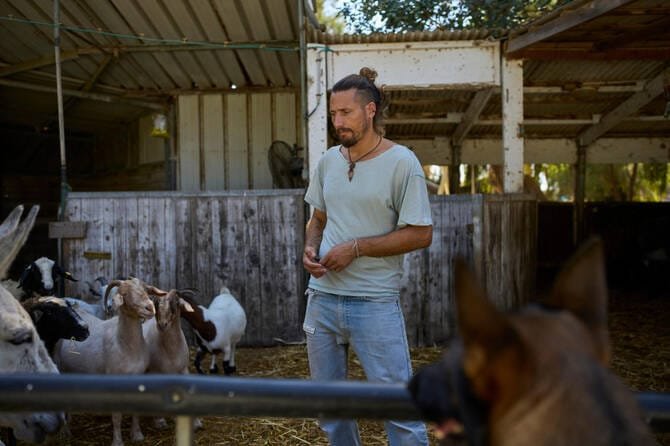
Amid the systemic challenges, grassroots organizations are providing crucial support. The Back2Life farm in central Israel, one such sanctuary, uses animal-assisted therapy to help veterans heal.
Co-founded by Assi Nave in memory of a comrade who died by suicide after battling PTSD, the farm offers a peaceful environment where soldiers work with rescue animals. Psychologist Guy Fluman, who advises the farm, says this connection is vital for grounding veterans and helping them reconnect with life.
The 27-year-old sergeant major attests to its effect. “It doesn’t matter if a plane goes by or if the drone goes by or if someone is yelling,” he said. “Because I’m here with the snake right now.”
The Battle Against Stigma
Despite growing awareness, a persistent stigma around mental health remains a significant barrier to care. A 31-year-old veteran who served in Gaza and the West Bank said that even though he struggled for years, this war was the first time he felt comfortable seeking support.
The defense ministry says combating this stigma is a “top priority,” using public campaigns and programs like rehabilitation farms to engage younger veterans.
For a 32-year-old reservist who collected bodies after the Oct. 7 attack, the trauma was triggered by the smell of decay that haunted him long after he returned home. As a therapist himself, he recognized the signs of PTSD and sought help. He emphasizes that leadership is key to breaking the stigma.
“When the commander of the soldier says you can get help,” he said, “it works better and you have less stigma.”
 United Arab Emirates Dirham Exchange Rate