The deadly attacks on southern and eastern Lebanon prompt Hezbollah to demand a boycott of US-led truce monitoring meetings, testing the limits of the November 2024 ceasefire.
BEIRUT – Tensions along the Blue Line have erupted once again as Lebanon’s President Joseph Aoun condemned deadly Israeli airstrikes on Friday that killed 12 people, calling the attacks a deliberate attempt to sabotage diplomatic efforts to stabilize the region.
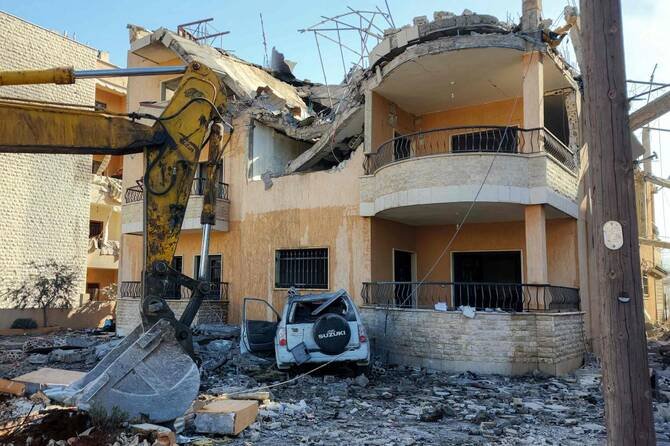
The strikes, which targeted areas in southern and eastern Lebanon, including the Baalbek region, mark one of the most significant violations of the ceasefire agreement brokered in November 2024 between Israel and the militant group Hezbollah.
The Attack
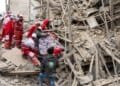
According to Lebanon’s health ministry, 10 of the 12 fatalities occurred in the eastern part of the country. The Israeli military claimed responsibility, stating it had struck “several terrorists of Hezbollah’s missile array in three different command centers in the Baalbek area.” Hezbollah later confirmed that a commander was among those killed in the raids .
Political Fallout
In a strongly worded statement on Saturday, President Aoun described the strikes as “a blatant act of aggression aimed at thwarting diplomatic efforts” led by the United States and other nations to establish lasting stability in the region .
The condemnation was echoed in the Lebanese parliament, where Hezbollah lawmaker Rami Abu Hamdan called for immediate action against the truce monitoring mechanism. He urged Beirut to “suspend the committee’s meetings until the enemy ceases its attacks,” referring to the five-nation body tasked with overseeing the ceasefire .
The Monitoring Committee at Risk
The multinational committee, which includes the United States as a key member, is scheduled to meet next week. Hezbollah’s call for a boycott threatens to paralyze the very framework designed to prevent such escalations. Since the ceasefire took effect, Israel has continued to conduct intermittent strikes on Lebanese territory, usually citing Hezbollah or, occasionally, Hamas targets .
A Fragile Peace
The November 2024 ceasefire was intended to halt a devastating conflict that had weakened Hezbollah but left the group’s political influence within Lebanon intact. Under the terms of the truce, the Lebanese government committed to disarming the group. Last month, the Lebanese army announced it had completed the first phase of this plan in areas near the Israeli border.
However, Israel has consistently criticized these efforts as insufficient, accusing Hezbollah of using the ceasefire period to rearm.
As diplomatic channels strain under the weight of Friday’s violence, the coming days will test whether the ceasefire can survive its most serious challenge yet, or if the region is sliding back toward open conflict.


 United Arab Emirates Dirham Exchange Rate