
Oil prices, which endured another roller-coaster ride in 2023, posted their biggest annual drop since 2020 amid persistent concerns about lower demand as well as geopolitical and economic uncertainties.
Brent, the global benchmark for two thirds of the world’s oil, shed 0.14 per cent to settle at $77.04 per barrel on Friday, the last trading day of the year. West Texas Intermediate, the gauge that tracks US crude, declined 0.17 per cent to finish at $71.65 a barrel.
Both benchmarks shed more than 10 per cent, or about $8.60, from a year ago – Brent ended 2022 at $85.62 per barrel, while WTI settled at $80.26 – ending two years of gains.
“Despite oil demand growth surprising to the upside and the production cuts by Opec+, oil prices ended lower in 2023 as supply growth also exceeded expectations, resulting in a less undersupplied oil market,” Giovanni Staunovo, a strategist at Swiss bank UBS, told media.
“Oil production in the US and Brazil hit a new record high, while production from cuts-exempted Opec+ members, particularly Iran and Libya, recovered strongly in 2023.”
The crude oil market remains downbeat, and a failure to add to gains is now “bringing the oil bears back to the market”, Ipek Ozkardeskaya, a senior analyst at Swissquote Bank, said in a note on Friday.
“Note that crude oil is set for its biggest yearly decline since 2020; Opec’s efforts to curb production and the rising geopolitical tensions in the Middle East remained surprisingly inefficient to boost appetite in oil this year,” she said.
Demand growth in 2023 was also hit hard by expectations of an economic slump as central banks around the world tightened monetary policy to tame inflation.
Sentiment in the oil industry turned “decidedly bearish” in November and early December as non-Opec+ supply strength coincided with slowing global oil demand growth, according to the International Energy Agency.
The Israel-Gaza war, which started in early October, initially pushed prices up, although crude soon shed those gains on demand concerns.
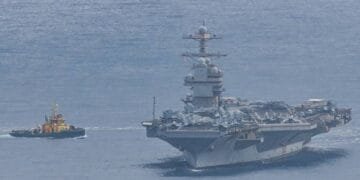
Last week, prices again rose on supply concerns after attacks by Houthi rebels in the Red Sea – a key waterway for global trade – forcing shipping companies to reroute their vessels.
The Bab Al Mandeb at the southern edge of the Red Sea and the western part of the Gulf of Aden, is a vital route for oil tankers and vessels travelling between the Arabian Gulf and Asia, as well as to Europe by way of the Suez Canal.





 United Arab Emirates Dirham Exchange Rate