Whether in the form of the Russian Empire, the Soviet Union or the Russian Federation today, the occupants of the Kremlin have been driven by a desire to be recognised as a “Great Power”.
These ambitions are explored by Russian-British historian Sergey Radchenko in his book To Run the World: The Kremlin’s Cold War Bid for Global Power.
Radchenko spoke to media about Moscow’s need for legitimacy on the world stage and the role it played in Russia’s invasion of Ukraine.
media: Given the hostility between Moscow and the West, could we be living in another Cold War?
Sergey Radchenko: The Cold War had two powers that were opposed to one another. One was the Soviet Union, one was the United States. In today’s environment, we have something that resembles that competition, but it is between the United States and China, ie, peer competitors, not Russia.
As much as Putin would like to argue that it is, Russia is not really in the same league as China and the United States.
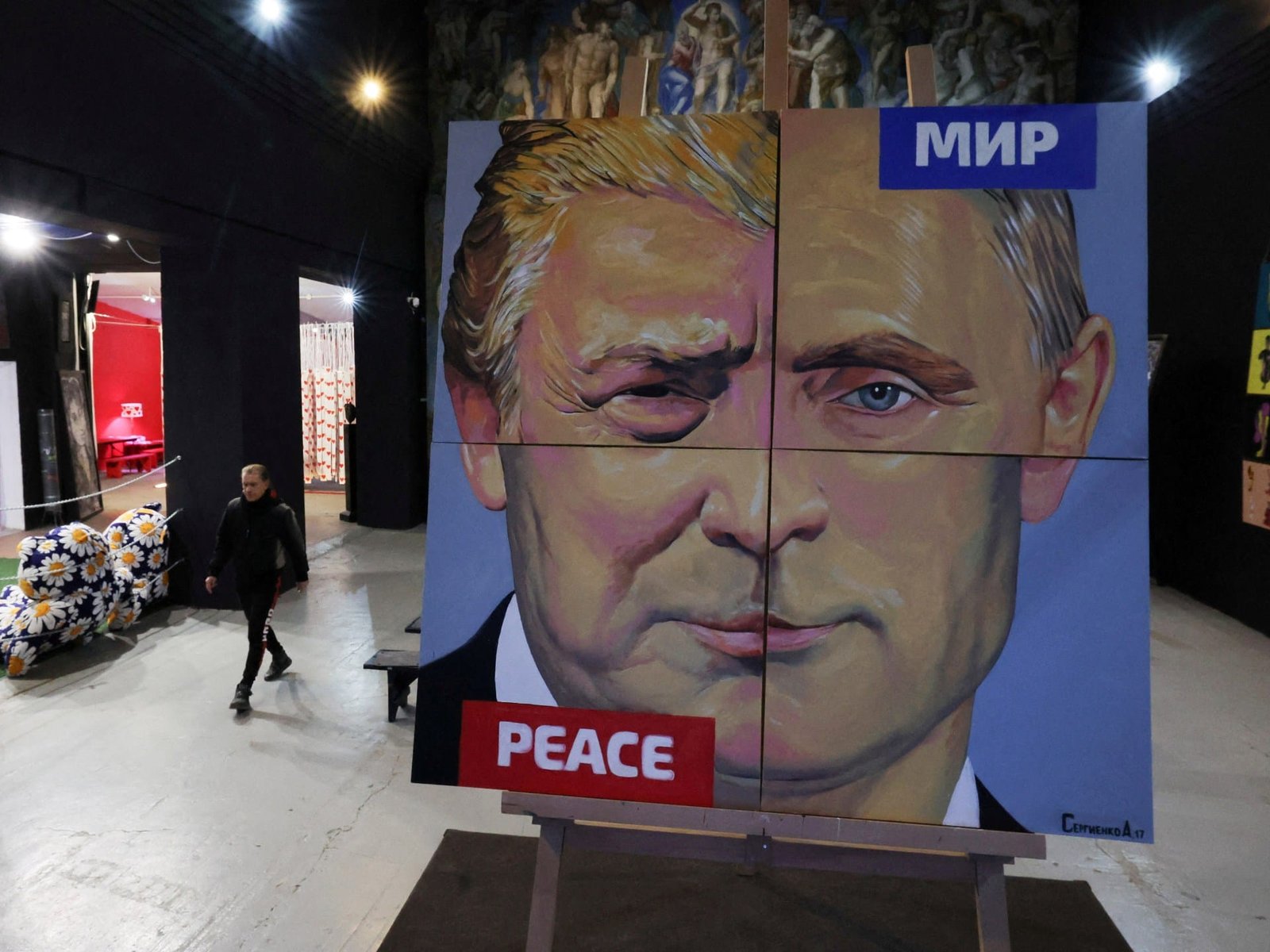
And during the Cold War, there was a clear juxtaposition between these two rival camps – the capitalist world and the socialist world. Today, it seems that in some ways, the United States, certainly under President [Donald] Trump, and Russia have more of an alignment than a contradiction of values. We no longer hear about democracy versus autocracy.
But there are also continuities, and the key continuity seems to be the presence of nuclear weapons. They inevitably remain as a… major part of the picture.
media: To what extent does desire for recognition drive the Kremlin’s politics?


 United Arab Emirates Dirham Exchange Rate