TOPEKA, Kansas (news agencies) — Measures in several state legislatures this year have called for new approaches to weaken the power of judges.
One would abandon a centuries-old precedent that courts can decide whether laws are constitutional. Another would change how judges are selected.
Tension between the courts and other branches of government is not new. But it’s growing. The latest wave comes as President Donald Trump faces scores of lawsuits challenging his policies. His administration says the issue isn’t what he’s trying to do but rather that judges acting as “judicial activists” are in some cases are standing in his way.
William Raftery, an analyst at the National Center for State Courts, said the battle between branches of state government for power dates to the earliest years of the U.S. and that lawmakers often make proposals aimed at weakening judges. Most of them aren’t adopted.
He said it won’t be clear whether the efforts are getting more traction until most states’ legislative sessions wrap up in a few months.
Here’s a look at the measures:
In 1803 the U.S. Supreme Court established a precedent in the landmark case Marbury v. Madison that courts can find laws unconstitutional.
A Montana legislative committee has voted to reject that concept. It advanced a measure that says the idea that courts alone have the power to decide what laws are constitutional is “a myth” and does not accurately reflect the 1803 ruling.
Instead, the GOP-sponsored bill asserts that “no single branch has exclusive power to bind its decisions on another branch of government.”
A vote in the full House is the next step. The same measure passed the Senate but failed in the House two years ago.
The push comes after Montana court rulings that Republican lawmakers didn’t like. A district judge last year blocked enforcement of three laws to restrict abortion access and the state Supreme Court kept a law banning gender-affirming medical care for transgender minors on hold.
Rep. Lee Deming, the sponsor of the resolution, said he’s not responding to any particular rulings.
An analysis of legislation by the bill-tracking service Plural shows Kentucky, Tennessee and West Virginia have similar legislation this year.
In Kansas, GOP leaders have long been frustrated with state Supreme Court rulings that forced them to spend more on public schools, overturned death sentences and protected abortion rights. They’re renewing a push to change how justices are selected.
The governor now chooses a justice from three nominees put forth by a commission controlled by lawyers. Voters get a say every six years on whether the justice can continue serving.
Senate President Ty Masterson said he and others want to cut the influence of lawyers and have voters choose justices, as they did in Kansas before 1960, and as 22 other states do.
If lawmakers approve the idea, it would go before voters.
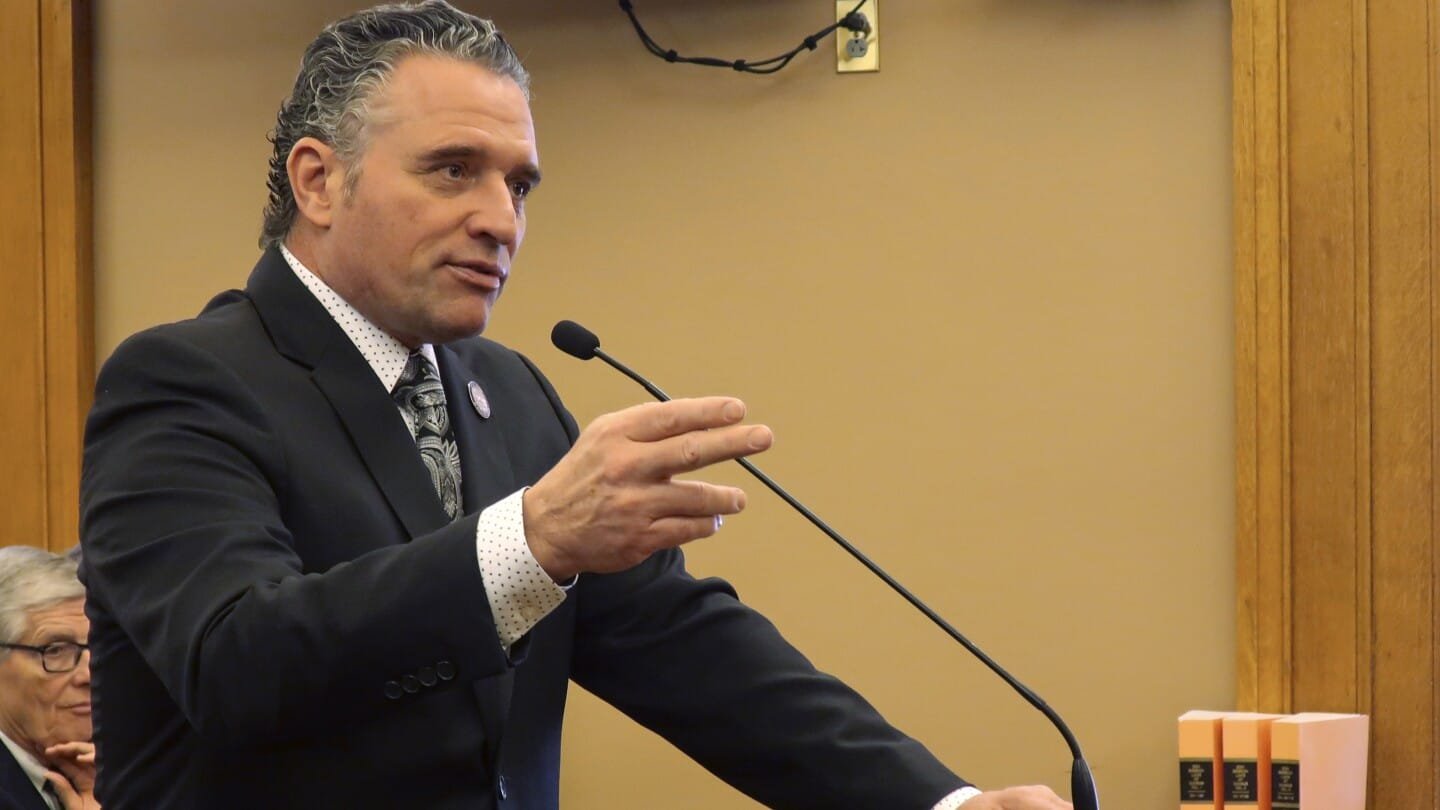
Fred Logan, a lawyer and former Kansas Republican Party chair, said during a legislative hearing Tuesday that shifting to elections will make raising money for a campaign the key skill for potential justices, instead of their legal knowledge and experience.
An Oklahoma bill would tell judges not to defer to government agencies’ interpretation of laws if the statutes themselves are not crystal clear.
That effort would tell judges how to do their jobs while at the same time taking power away from the executive branch.







 United Arab Emirates Dirham Exchange Rate