Newly formed United Council of Rohang aims to negotiate returns to Myanmar and address dire living conditions in Bangladesh camps, but faces security challenges and skepticism.
COX’S BAZAR, Bangladesh – Rohingya refugees in Bangladesh have elected a new leadership body, hoping it can revitalize stalled efforts to secure their safe return to Myanmar and improve harsh conditions in the world’s largest refugee settlement.
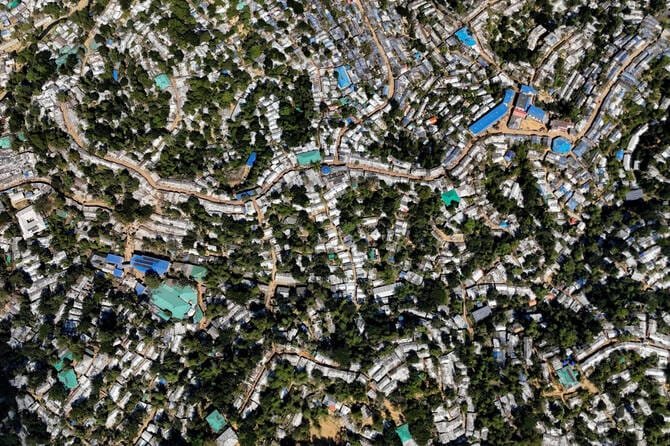
The United Council of Rohang (UCR) was formed in July following elections across 33 camps in Cox’s Bazar, which house around 1.7 million Rohingya Muslims. Most fled a brutal 2017 military crackdown in Myanmar’s Rakhine state, now the subject of a UN genocide investigation.
“They are working to take us home,” said Khairul Islam, 37, a former timber businessman who now lives with his family in a single cramped shelter. “We can hardly breathe here… Back in Myanmar, we didn’t even need a ceiling fan.”
The council, led by five rotating presidents, will focus on human rights, education, and health. It aims to give refugees a direct voice in negotiations about their future—a role they say has long been denied.
“It’s about us, yet we were nowhere as stakeholders,” UCR President Mohammad Sayed Ullah told AFP. He urged refugees to remember the violence that forced their exodus: “We left our parents’ graves behind. Our women died on the way here.”
The UCR is not the first attempt to organize Rohingya refugees. Previous groups were suppressed after a 2019 rally, and prominent activist Mohib Ullah was assassinated in 2021. Still, trust in the new council is slowly growing.
“UCR will negotiate for better education. If we are better educated, we can build global consensus for our return,” said 18-year-old Mosharraf, who fled Buthidaung with his family.
However, analysts question the council’s independence. “The UCR ‘elections’ appear to have been closely controlled by the authorities,” said Thomas Kean of the International Crisis Group.
Security remains a critical challenge. Armed factions operate within the camps, and violence persists—at least 65 Rohingya were killed in 2024 alone, according to Fortify Rights.
As refugees begin approaching the UCR with grievances against local leaders, the council now faces the twin tasks of winning recognition as a legitimate representative while navigating a landscape of threat and uncertainty.
 United Arab Emirates Dirham Exchange Rate