‘No Other Land’ dissects untold struggles to the bone
As a convoy moves in to raze brick houses to the ground, a community of villagers cries out. That’s the limit to the brave front they can put up, as long as it doesn’t upset their armed oppressors enough to open fire. These uniformed individuals then cite impassive demolition papers to justify bearing down on homes made of love and labour in Masafer Yatta in Palestine.
A woman watches her quarters, her belongings, every corner of memory in her precious home being crushed to dust. Not subdued by aloof demands of relocation, she protests, “Where do we go? We have no other land. That’s why we suffer for it.”
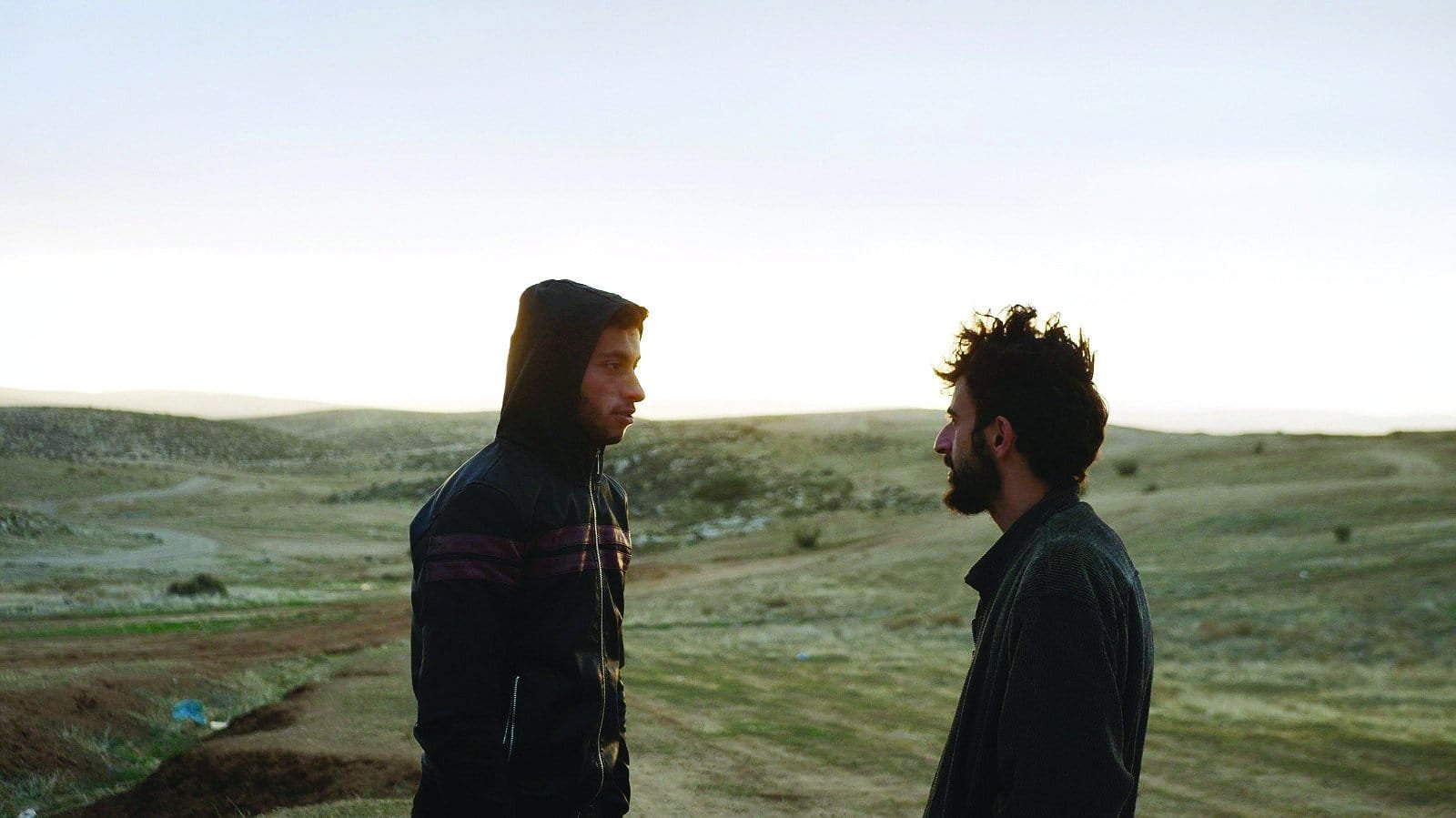
This picture might be familiar to you if you’re on social media and have scrolled through countless pleas and tears entreating justice, all emerging from one Palestine torn apart by Israel’s genocide. In that spirit, Palestinian activist Basel Adra picked up a camera to film his documentary, No Other Land, the moment he believed that the beginning of the end had become unavoidable.
It’s harrowing enough to watch social media to spell out the atrocities for you within a minute or two. But as I sat for over two hours at the screening for No Other Land organised by The Second Floor (T2F), I was compelled to face the spine-chilling reality with an intimacy that was difficult to evade. And that’s exactly the point.
Following a non-linear structure, the story of Masafer Yatta through Basel’s eyes begins in 2019. In addition, Basel’s own memories from 1999 slip into the narrative time and again to put into perspective that Israel’s brutality following the October 7, 2023 attack wasn’t merely a response but one aided by a veneered pretext.
Letting it sink in
Be it class debates or close-knit settings discussing the Palestinian struggle, I sit quietly and listen as intently as my twitchy mind allows me to. But when it comes to contributing to the conversation, I often find myself struggling to string together pointers that haven’t already been said.
Unsurprisingly, the same happened as No Other Land unfolded before my eyes. I was rendered speechless, as the cousin accompanying me would say.
Basel’s sturdy sense of hope along with the smiles that his people sport as defense are as heart-rending as they are warm, and just as soul-crushing as when Basel himself admits to Yuval that he’s losing energy.
It felt futile – speaking from a distance, watching from a distance. Then I saw Harun Abu Aram.
Mirrored fragments
The documentary shows Harun, an unarmed resident of Al-Tuwanah (a village to the south of Hebron), resisting as Israeli troops seize his electric generator. Moments into the heated escalation, the troops shoot Harun, cruelly subjecting him to lifelong paralysis.
As time prolongs his suffering, Harun’s mother hopes for one of two miracles: for God to take her life and restore her son to full health in exchange, or for death to relieve her son once and for all. Her second prayer is answered.
Watching Harun and his family struck me with heart-sinking unease and thoughts that aren’t easy to confront or pen down. Even after the screen faded to black, their plight stayed with me, haunted me to some capacity. It followed me back home to my bedridden aunt.
For months, I have been struggling to put into words how I feel. When you’re informed from the distance of a phone call that a loved one – a particularly lively one — has bled from the inside, the first companion to comfort you is denial. There are no tears, no adrenaline rush, no grief — just restless pacing and sleepless midnights that fade to tomorrows. Over and over again.
 United Arab Emirates Dirham Exchange Rate