Cairo, Egypt – A large gathering of international and grassroots aid organisations working in Sudan has met to discuss the increasingly desperate needs of people on the ground as the armed conflict continues to take lives and displace hundreds of thousands – as well as how to work together more effectively.
International organisations need to communicate and coordinate more effectively with local groups, Mawada Mohammed, head of psychological rehabilitation and community development organisation Ud, in Khartoum, told media at the Sudan Humanitarian Crisis Conference in Cairo (November 18 to 20).
She said this “lack of coordination among themselves and between them and governments or international organisations” is one of the greatest challenges local groups face.
CEO of diaspora-led humanitarian organisation, Shabaka, Bashair Ahmed told media: “Local responders should have a voice in high-level policy and advocacy … they must be provided with the tools and skills to do so, and not just invited to be dressing.”
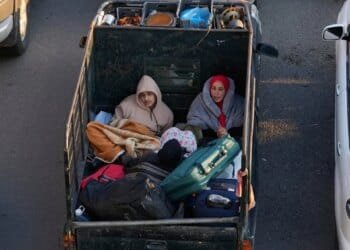
Since the Sudanese Rapid Support Forces (RSF) began a military campaign to seize control of Khartoum on April 15, more than 10,000 people have been killed and at least six million displaced due to the heavy fighting that has spread through most states.
The head of the World Health Organization warned that the conflict in Sudan is having “a devastating impact on lives, health and well-being”, as aid agencies raised the alarm that their Sudanese workers are being kidnapped, raped and assaulted.
In a speech to the conference, Tedros Adhanom Ghebreyesus said nearly 700 million Sudanese children suffer “severe, acute malnutrition” and the country’s beleaguered healthcare system is nearing “a breaking point”.
Dr Abubakr Bakri, operations manager for Eastern Africa at Doctors Without Borders (Medecins Sans Frontieres, or MSF), called for humanitarian workers to be provided with security.
MSF staff have endured beatings, death threats and theft during the past months of the conflict, he said. He added that violence and threats were mainly directed towards MSF’s Sudanese staff, a point echoed by other NGOs at the summit, who said female local staff have also been kidnapped and raped.


 United Arab Emirates Dirham Exchange Rate