CAIRO (news agencies) — The U.N. Security Council has backed the United States’ ambitious plan for the future of the Gaza Strip. How and when it will be carried out remain largely unknown.
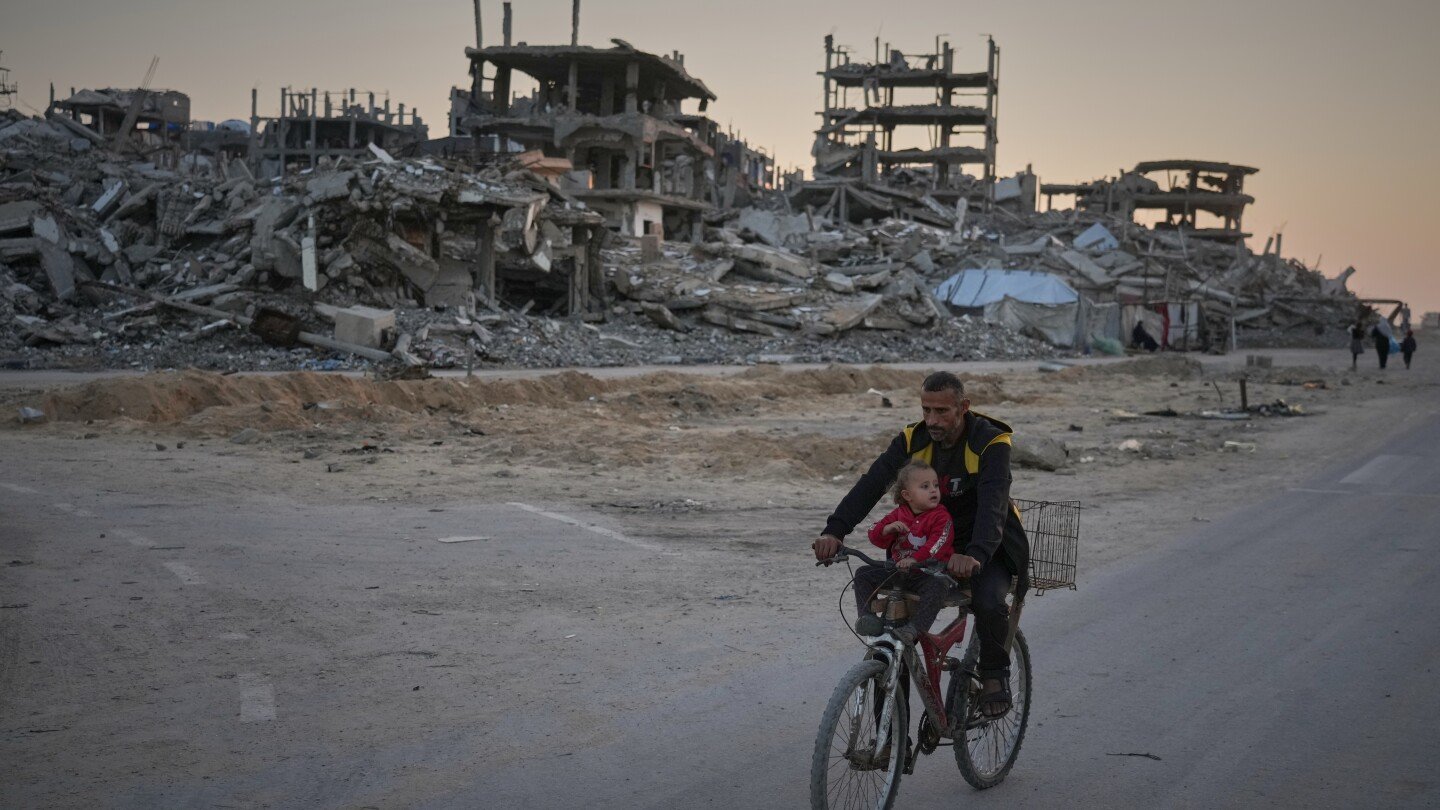
In a twist unimaginable across the tumultuous history of the Israeli-Palestinian conflict, the plan would mean U.S. President Donald Trump becomes the de facto ruler of Gaza. The territory remains devastated by Israel’s campaign to eliminate Hamas after its Oct. 7, 2023, attack that sparked the war.
An international body known as the Board of Peace, chaired by Trump, is to govern Gaza and oversee reconstruction under a 2-year, renewable U.N. mandate. An armed International Stabilization Force is to keep security and ensure the disarming of Hamas, a key demand of Israel.
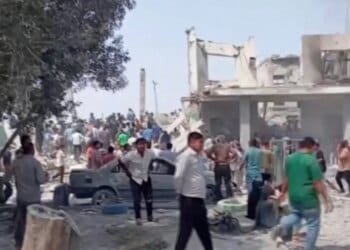
Major questions hang over nearly every part of the plan and the timeframe for implementation. In the meantime, nearly all Palestinians remain displaced and dependent on humanitarian aid, Hamas retains significant control over nearly half of Gaza and the rebuilding of the territory has barely begun.
Some talks over the next steps have taken place behind the scenes among the U.S., Israel, Qatar, Egypt and other countries. But serious negotiations have not begun because Israel and Hamas remain in the first phase of the ceasefire deal that came into effect in October. The militant group is still required to hand over the bodies of the last three hostages.
The U.N. resolution passed Monday gave the plan international legitimacy. That opens the door for Arab and Muslim-majority nations to participate, particularly by contributing troops to the ISF. The U.S. is hoping that the more those countries are involved, the more palatable the international rule will be for Gaza’s more than 2 million people.
But the Palestinian public’s acceptance is far from certain. Without it, the Board of Peace risks becoming seen as a foreign occupation working on behalf of Israel, further thwarting their dream of self-determination and statehood.
The plan gives Palestinians almost no voice in governing Gaza. Because of Israel’s fierce opposition, it doesn’t promise statehood, offering only a vague reference that it might one day be possible. It also gives only an ambiguous timetable for reconstruction to begin and for the Israeli military to withdraw from the around 50% of the Gaza Strip that it still holds since the ceasefire began.
Disarming Hamas and demilitarizing Gaza are the keystones to the whole plan. But there’s no detail on how that will happen.
So far, the militant group has not agreed to disarm. In a statement after the U.N. resolution’s passage, Hamas said the fate of its weapons is connected to ensuring a path to the end of the Israeli occupation and the creation of a Palestinian state.
The International Stabilization Force is tasked with ensuring disarmament and the destruction of Hamas’ military infrastructure. The ISF will also oversee a Palestinian police force, made up of vetted members trained by Egypt and Jordan.
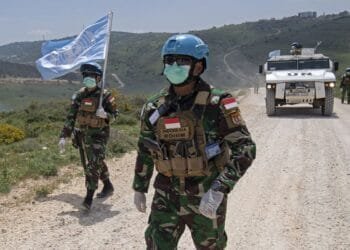
A number of nations have been cited as possible contributors to the ISF, including Egypt, Indonesia, Turkey and Azerbaijan. But none has committed to sending troops yet, and Israel opposes Turkey participating in the force.
They are unlikely to want their soldiers to take Hamas’ weapons by force. Hamas warned that trying to do so would turn the ISF “into a party to the conflict in favor of the occupation.”
Hamas is under heavy pressure, particularly from Qatar and Egypt, to find a compromise. One possible idea is a “decommissioning” – handing the arsenal over to the ISF for safekeeping — which Hamas could argue is not a permanent surrender of its right to armed resistance.
Without disarmament, much of the rest of the plan could stall. Israel’s troop withdrawal is linked to the pace of Hamas demilitarization and the deployment of the ISF. Reconstruction is also unlikely to happen in most of Gaza unless Hamas disarms.



 United Arab Emirates Dirham Exchange Rate