As we enter 2026, one truth is impossible to ignore: children around the world are facing their greatest levels of need in modern history – just as the humanitarian system meant to protect them and their futures is battling some of its biggest challenges in decades.
The events of 2025 marked a dramatic rupture in global humanitarian and development efforts. When the United States abruptly halted foreign aid in January, billions of dollars vanished overnight. Critical programmes were suspended, offices closed, and millions suddenly lost access to food, healthcare, education, and protection. Overnight, lifelines that communities had depended on for decades were thrown into jeopardy – and children, as always, paid the highest price.
For international NGOs, the shock was immediate and severe. At Save the Children, we were forced to take some of the toughest decisions in our 106-year history. We had to close country offices, cut thousands of staff positions, and wind down life-saving operations. We estimated that about 11.5 million people – including 6.7 million children – would feel the immediate impacts of these cuts, while many more would be impacted in the longer term.
The aid cuts came at a time when children globally were already facing major challenges, from conflict to displacement, to climate change, with decades of progress at risk of being reversed.
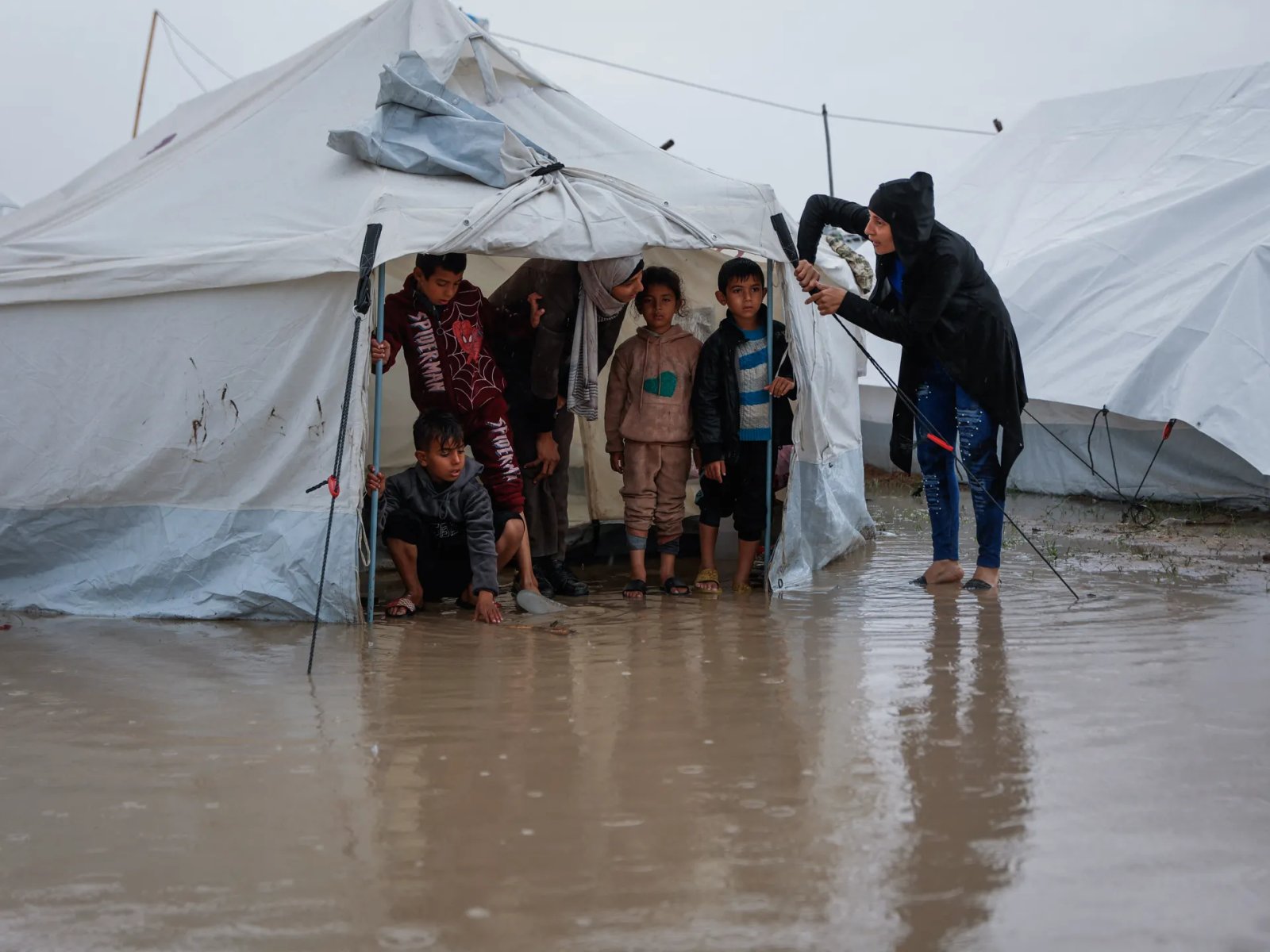
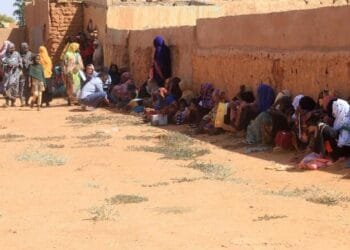
The facts are startling. In 2025, one in every five children was living in an active conflict zone where children are being killed, maimed, sexually assaulted and abducted in record numbers. About 50 million children globally are displaced from their homes. Nearly half the world’s children – about 1.12 billion – cannot afford a balanced diet, and some 272 million were out of school.
These numbers point to a global failure. Behind each statistic is a child whose childhood is being cut short, a childhood defined by fear, hunger and lost potential.
For children, the collapse of aid was not an abstract budgetary decision, but it was deeply personal. Health clinics closed, classrooms closed, and protection services disappeared just as violence, climate shocks and displacement intensified. Years of hard-won progress in child survival, education and rights were suddenly at risk of being undone, leaving millions of children more vulnerable to hunger, exploitation and violence.
The crisis also revealed the fragility of the global aid system itself. When humanitarian support is concentrated among a handful of government donors, sudden political shifts reverberate directly through children’s lives. The events of 2025 showed how quickly international commitments can unravel – and how devastating that can be for the youngest and least protected.
Yet amid this turmoil, something extraordinary happened.




 United Arab Emirates Dirham Exchange Rate