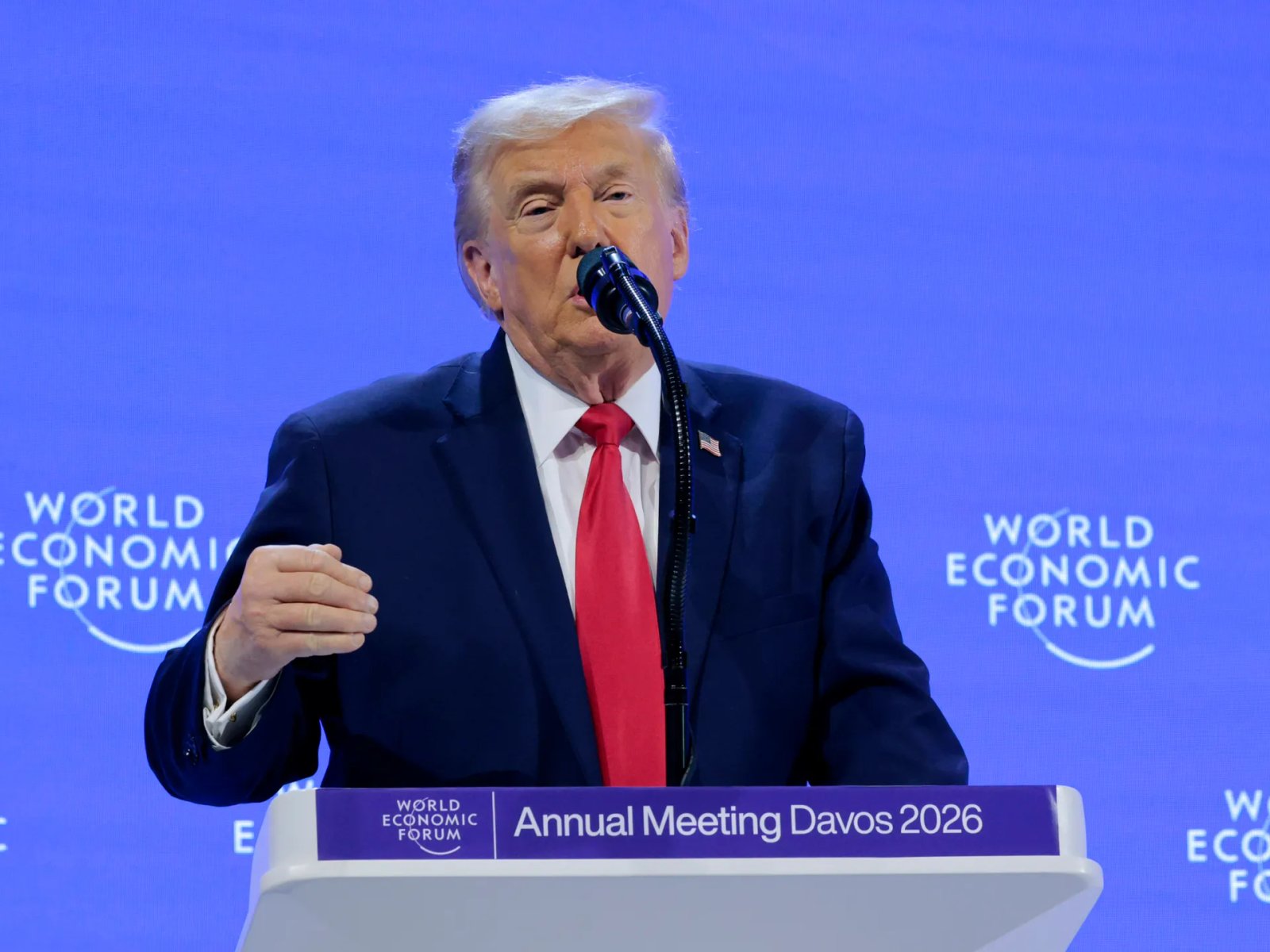
The United States is expected to host a signing ceremony on Thursday for President Donald Trump’s “board of peace” (BoP) on the margins of the World Economic Forum (WEF) in Davos, Switzerland.
Trump, who is to meet global leaders this week at the WEF, is pitching the board as the next phase of his administration’s 20-point peace plan and a mechanism to oversee the reconstruction of Gaza, which has been devastated by Israel’s genocidal war against Palestinians in the territory since October 2023.
But while the BoP was first introduced last year with a specific two-year United Nations Security Council mandate to manage post-war Gaza, its official charter makes no direct reference to Gaza at all.
Instead, the document outlines a sweeping mandate that appears to challenge existing diplomatic frameworks, advocating a move away from established international institutions on the premise that they have failed to maintain global peace.
Invitations to join the BoP were sent this week to dozens of countries, several of which have confirmed receipt and signalled their willingness to participate. But others have so far been reluctant to join. Observers argued this reluctance of many invited states to make immediate commitments reflects growing concern that the Trump administration is seeking to use the BoP’s expansive charter to bypass, or even replace, the UN.
Here is what we know so far about the board, its structure and mandate, the countries that have agreed to join, those still undecided and why hesitation remains widespread.
First proposed in September on the sidelines of the UN General Assembly session, the board was initially framed as a mechanism to support the administration, reconstruction and economic recovery of the Gaza Strip.
The White House formally announced the creation of the BoP last week. However, the organisation’s 11-page charter, comprising eight chapters and 13 articles, does not mention Gaza once.
Instead, it proposes a broad mandate for a new international organisation that “seeks to promote stability, restore dependable and lawful governance, and secure enduring peace in areas affected or threatened by conflict”.





 United Arab Emirates Dirham Exchange Rate