Cocaine demand and supply are booming worldwide, and methamphetamine trafficking is expanding beyond established markets, including in Afghanistan where the drug is now being produced, a United Nations report said Sunday.
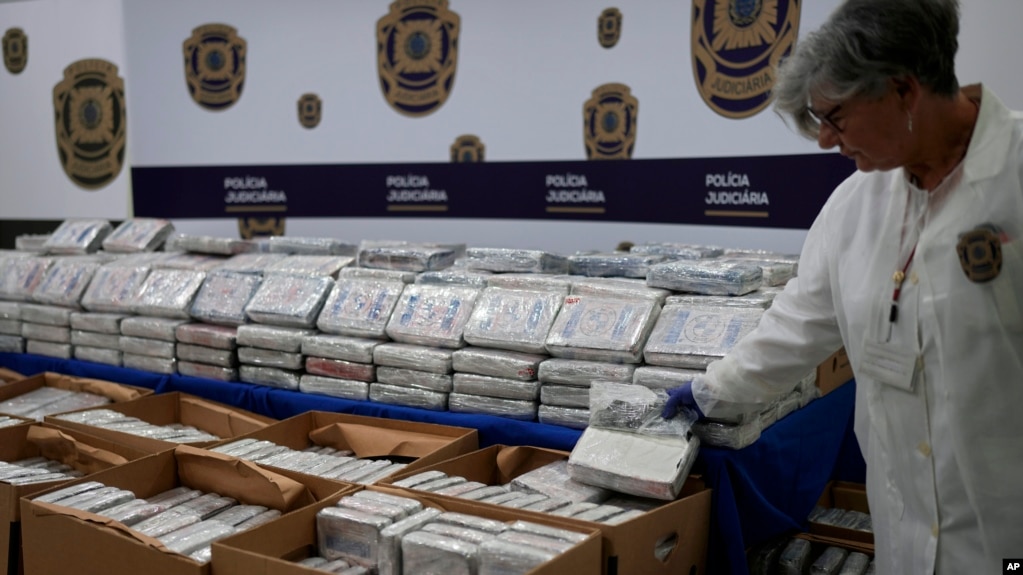
Coca bush cultivation and total cocaine production were at record highs in 2021, the most recent year for which data is available, and the global number of cocaine users, estimated at 22 million that same year, is growing steadily, the U.N. Office on Drugs and Crime said in its annual World Drug Report.
Cocaine seizures have, however, grown faster than production, containing the total supply to some extent, the report said. The upper band of the estimated total supply was higher in the mid-2000s than now.
“The world is currently experiencing a prolonged surge in both supply and demand of cocaine, which is now being felt across the globe and is likely to spur the development of new markets beyond the traditional confines,” the UNODC report said.
“Although the global cocaine market continues to be concentrated in the Americas and in Western and Central Europe (with very high prevalence also in Australia), in relative terms it appears that the fastest growth, albeit building on very low initial levels, is occurring in developing markets found in Africa, Asia and South-Eastern Europe,” it said.
While almost 90% of methamphetamine seized worldwide was in two regions – East and Southeast Asia and North America – seizure data suggests those markets have stabilized at a high level, yet trafficking has increased elsewhere, such as the Middle East and West Africa, the report said.
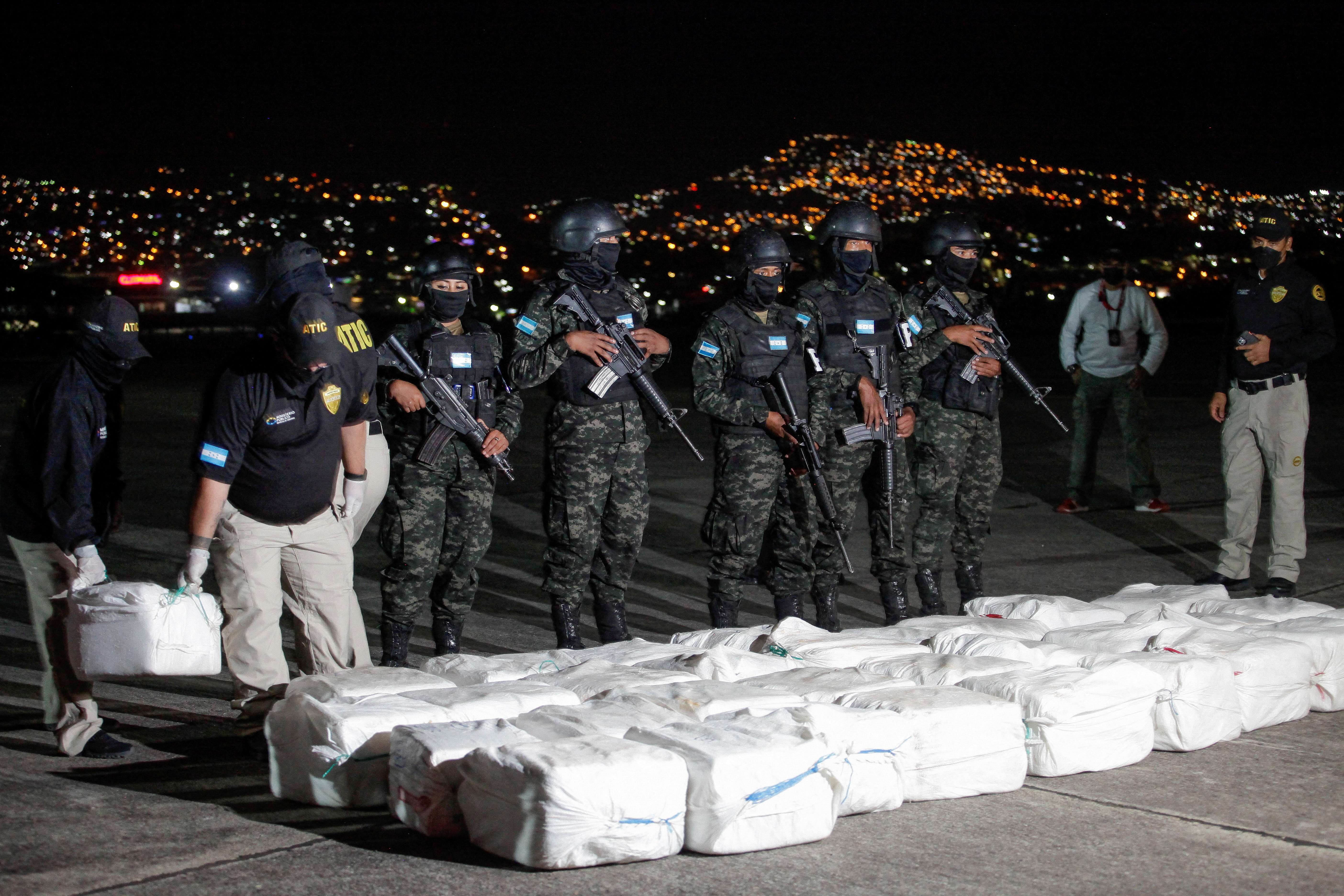
It added that reports and seizures involving methamphetamine produced in Afghanistan suggested the drug economy was changing in that country, where 80% of the world’s illicit opium poppy, which is used to make heroin, is produced.
“Questions remain regarding the linkages between illegal manufacture of heroin and of methamphetamine (in Afghanistan) and whether the two markets will develop in parallel or whether one will substitute the other,” it added.
Changing dynamics of the global cocaine market
While the Americas and Western and Central Europe continue to be the main hubs for the global cocaine market, the report highlights that developing markets in Africa, Asia, and South-Eastern Europe are experiencing significant growth in relative terms.
These regions, though starting from low initial levels, are witnessing a rapid expansion of cocaine use. This shift indicates the global reach and impact of the cocaine trade, calling for international attention and coordinated efforts to address the growing demand and its consequences.
Methamphetamine trafficking expands to new territories
The UNODC report also shed light on the trafficking of methamphetamine, indicating that while the majority of seizures occur in East and Southeast Asia and North America, other regions such as the Middle East and West Africa have witnessed an increase in trafficking activities.
Although markets in East and Southeast Asia and North America seem to have stabilized at high levels, the expansion of trafficking to new territories raises concerns about the global spread and impact of this dangerous drug.
Shifting drug economy in Afghanistan raises questions
Notably, the report highlights the changing drug economy in Afghanistan, where the majority of the world’s illicit opium poppy, used for heroin production, is cultivated. Reports and seizures involving methamphetamine produced in Afghanistan suggest a potential shift in the country’s drug landscape.
The linkages between the illegal manufacture of heroin and methamphetamine remain unclear, and it is uncertain whether these two markets will develop in parallel or if one will substitute the other. This evolving situation calls for closer investigation and targeted interventions to address the emerging challenges.



 United Arab Emirates Dirham Exchange Rate