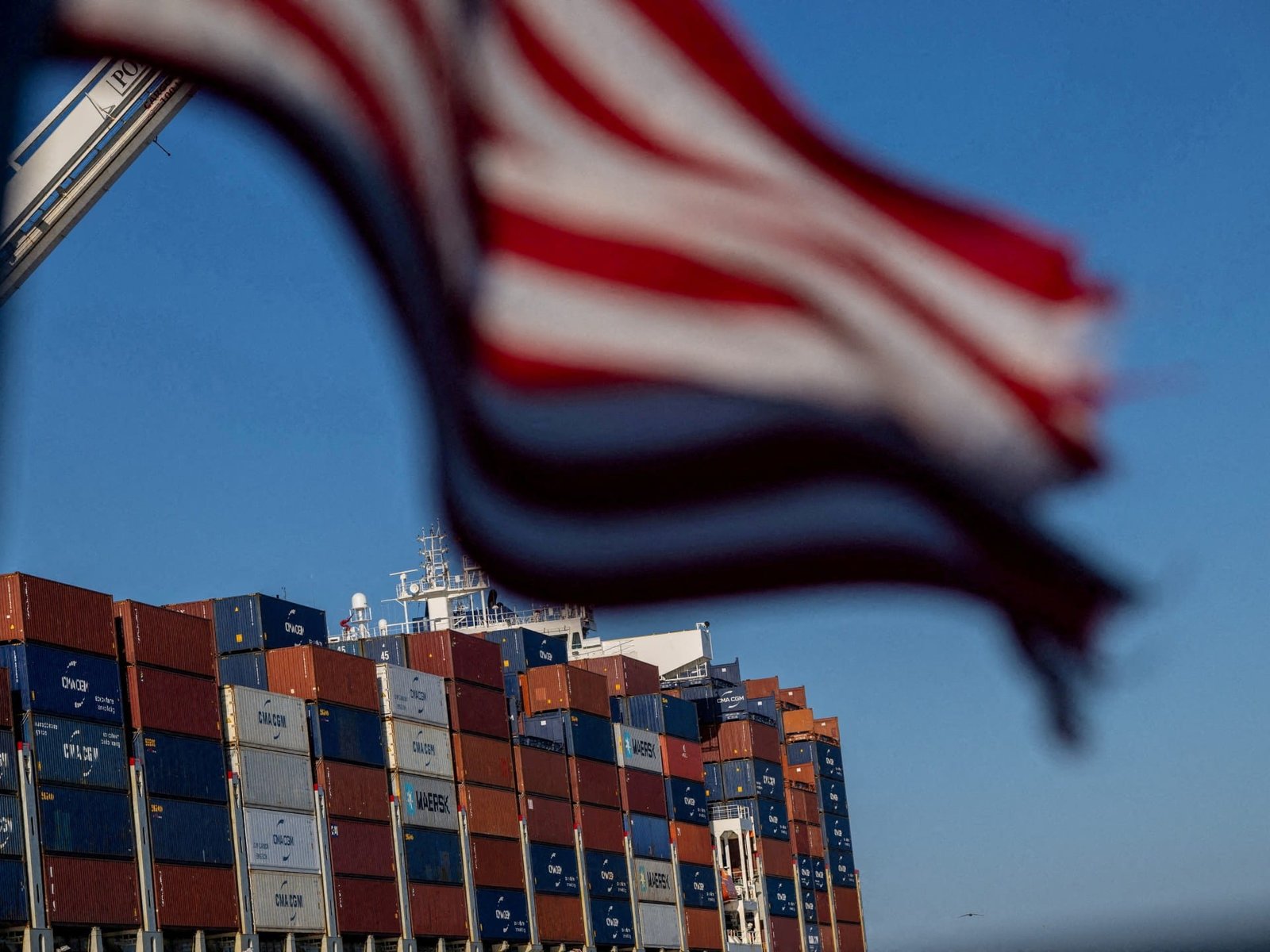
The United States and China have started charging additional port fees on ocean shipping firms that move everything from holiday toys to crude oil, making the high seas a key front in the trade war between the world’s two largest economies.
A return to an all-out trade war appeared imminent last week, after China announced a major expansion of its rare earths export controls, and US President Donald Trump threatened to raise tariffs on Chinese goods to triple digits.
But after the weekend, both sides sought to reassure traders and investors, highlighting cooperation between their negotiating teams and the possibility they could find a way forward.
China said it had started to collect the special charges on US-owned, operated, built or flagged vessels, but it clarified that Chinese-built ships would be exempted from the levies.
In details published by state broadcaster CCTV, China spelled out specific provisions on exemptions, which also include empty ships entering Chinese shipyards for repair.
Similar to the US plan, the new China-imposed fees would be collected at the first port of entry on a single voyage or for the first five voyages within a year.
“This tit-for-tat symmetry locks both economies into a spiral of maritime taxation that risks distorting global freight flows,” Athens-based Xclusiv Shipbrokers said in a research note.
Early this year, the Trump administration announced plans to levy the fees on China-linked ships to loosen the country’s grip on the global maritime industry and bolster US shipbuilding.
An investigation during the administration of former US President Joe Biden concluded that China uses unfair policies and practices to dominate the global maritime, logistics and shipbuilding sectors, clearing the way for those penalties.






 United Arab Emirates Dirham Exchange Rate