
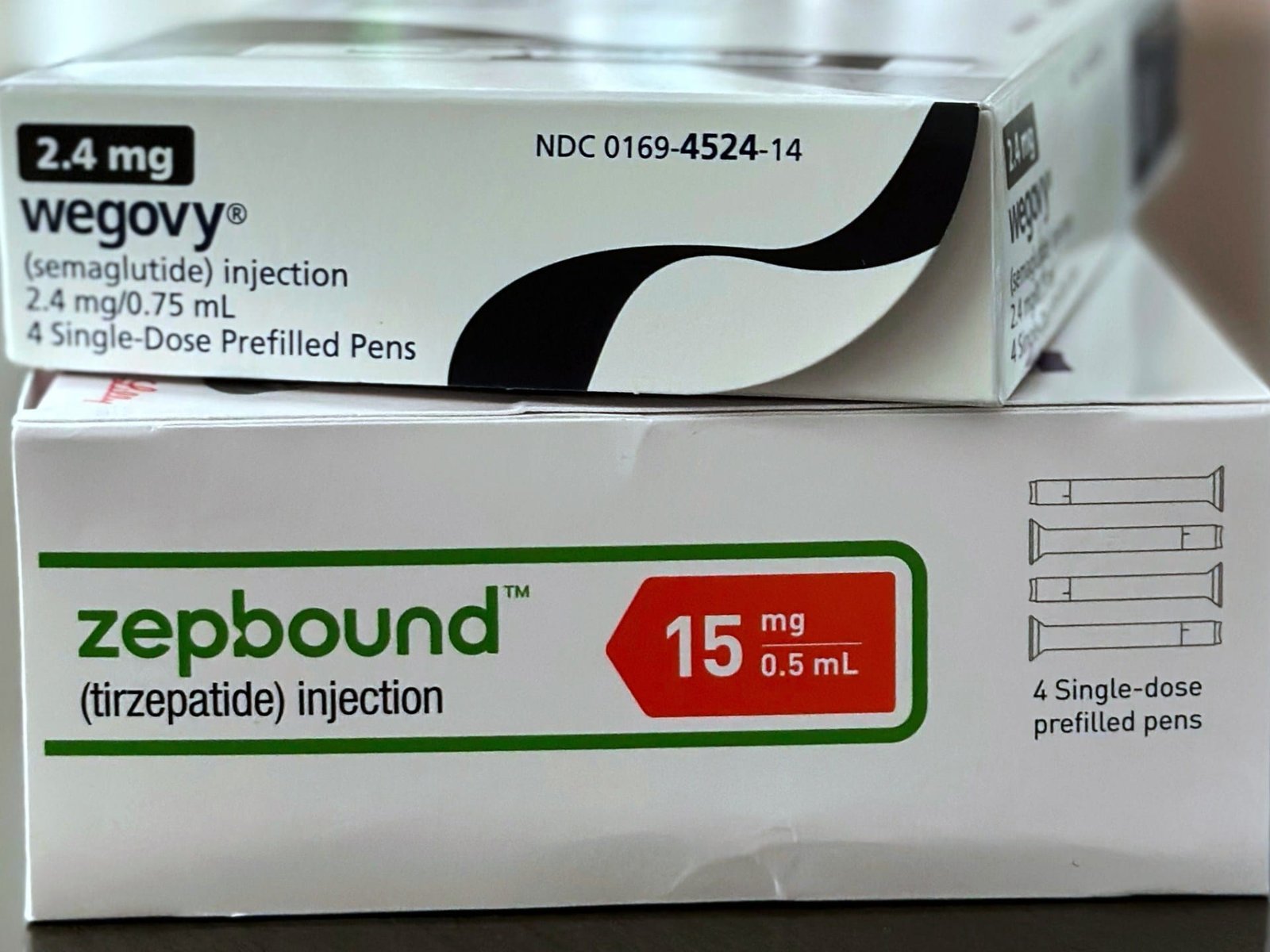
Novo Nordisk’s outgoing CEO, Lars Fruergaard Jorgensen, has warned that layoffs at the Danish pharmaceutical giant could be unavoidable as competition heats up against its blockbuster obesity drug Wegovy amid rising pressure from rival Eli Lilly.
Novo Nordisk – which became Europe’s most valuable company, worth $650bn, last year on booming sales of Wegovy – is facing a pivotal moment as the medicine loses market share and sees sales growth slow, especially in the United States.
It has warned of far slower growth this year, in part due to compounders who have been allowed to make copycat drugs based on the same ingredients as Wegovy due to shortages. Novo Nordisk, which according to its website has 77,000 employees, cut its full-year sales and profit forecasts last week, wiping $95bn off its market value since.
The slide is a vast and abrupt turnaround for the firm that has been one of the world’s hottest investment stories, which led to a rapid expansion of manufacturing and sales capacity. Now the company is eyeing potential cost-cutting measures.
“We probably won’t be able to avoid layoffs,” Jorgensen told Danish broadcaster DR. “When you have to adjust a company, there are some areas where you have to have fewer people, some [areas] where you have to be smaller.”
He added, though, that any decision on layoffs would be in the hands of the incoming CEO, company veteran Maziar Mike Doustdar, who takes over on Thursday.
On a media call, Jorgensen said the market for copycat versions of Wegovy’s class of drugs – known as GLP-1 receptor agonists – was of “equal size to our business” and compounded versions of Wegovy were sold at a “much lower price point”.
In May, Novo Nordisk said it expected many of the roughly one million US patients using compounded GLP-1 drugs to switch to branded treatments after a US Food and Drug Administration ban on compounded copies of Wegovy took effect on May 22, and it expected compounding to wind down in the third quarter.
However, finance chief Karsten Munk Knudsen said on Wednesday that more than one million US patients were still using compounded GLP-1s and that the company’s lowered outlook has “not assumed a reduction in compounding” this year.







 United Arab Emirates Dirham Exchange Rate