Islamabad and Kabul commit to ceasefire mediated by Qatar and Turkiye, but will it hold amid mutual distrust?
Pakistan and Afghanistan have agreed to an “immediate ceasefire” after a week of deadly clashes along their border, as the ties between the two South Asian neighbours plunged to their lowest point since the Taliban returned to power in 2021.
Both countries agreed to stop fighting and work towards “lasting peace and stability” after peace talks in Doha, the Qatari Ministry of Foreign Affairs said on Sunday, about the deal it mediated alongside Turkiye.
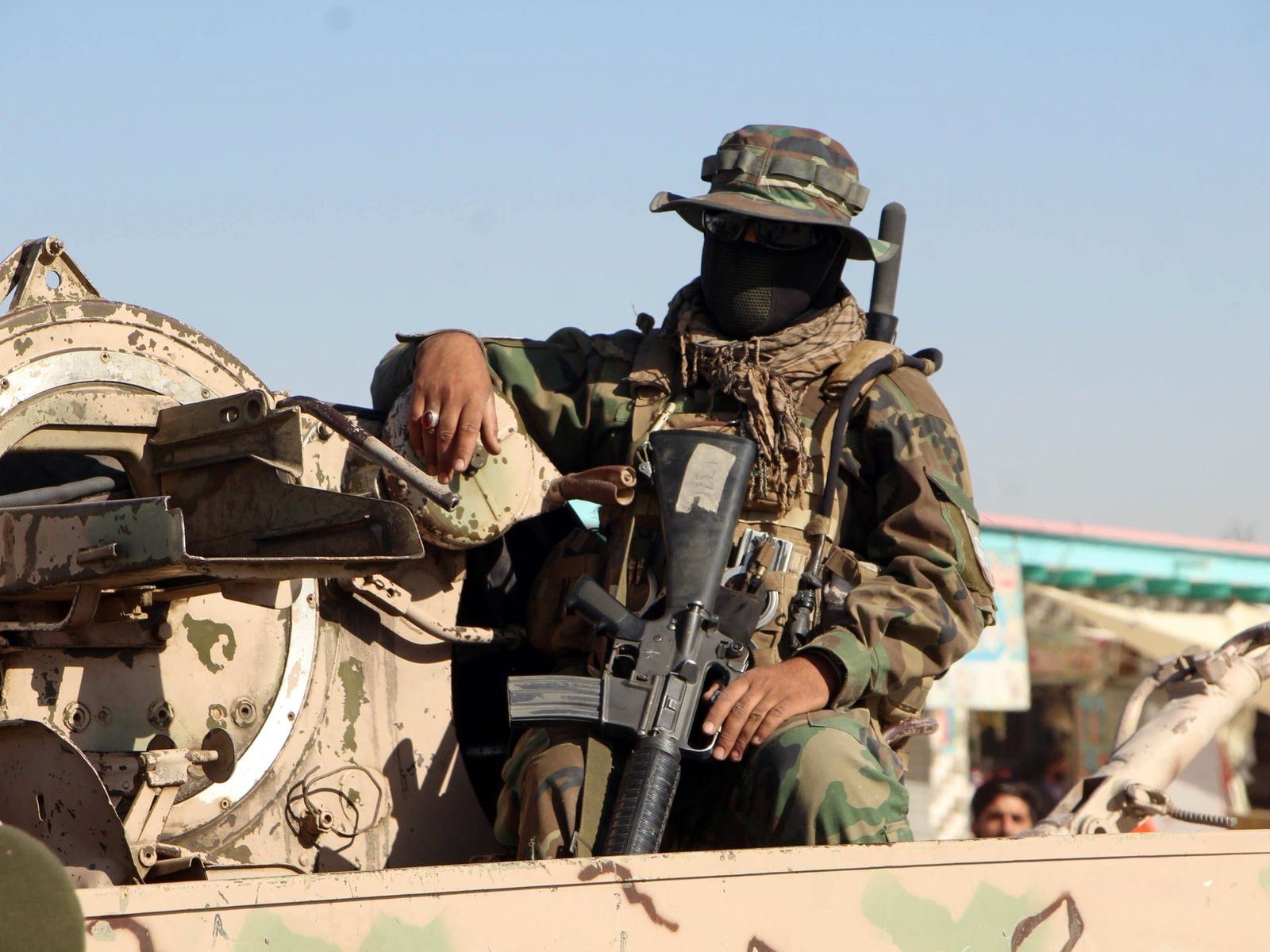
Dozens of people have been killed and hundreds wounded in the worst bout of violence in recent years. The violence erupted on October 11 at multiple fronts along their 2,600km (1,600-mile) border, after Islamabad allegedly carried out strikes in Kabul and the southeastern province of Paktika against what it said were armed groups linked to attacks inside Pakistan.
So, what do we know about the truce agreement and what might come next?
After a round of negotiations between Pakistan and Afghanistan in the Qatari capital, Doha, “the two sides agreed to an immediate ceasefire and the establishment of mechanisms to consolidate lasting peace and stability between the two countries,” Qatar’s Foreign Ministry announced in a statement.
“The two parties also agreed to hold follow-up meetings in the coming days to ensure the sustainability of the ceasefire and verify its implementation in a reliable and sustainable manner, thus contributing to achieving security and stability in both countries,” the statement added.
Asif further confirmed a “follow-up meeting between the delegations is scheduled to take place in the Turkish city of Istanbul on October 25 to discuss the matters in detail”.
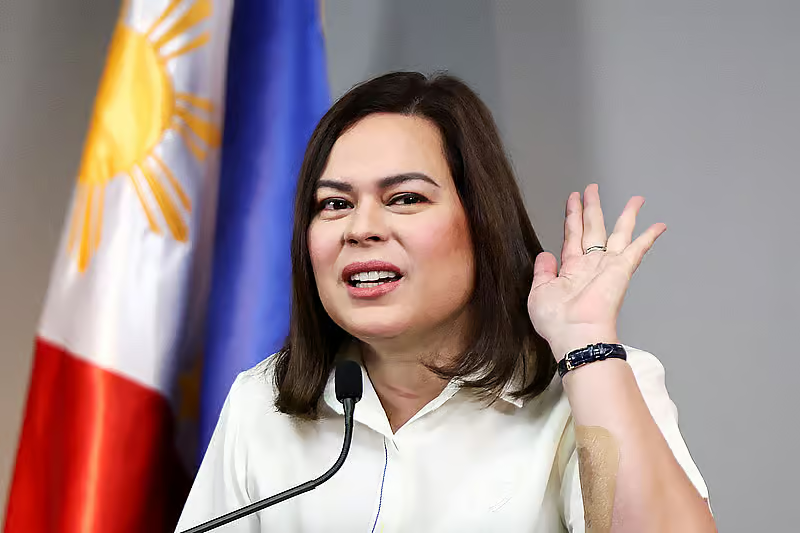
Pakistan’s Deputy Prime Minister and Foreign Minister Ishaq Dar said the truce was “the first step in the right direction”.
“We look forward to the establishment of a concrete and verifiable monitoring mechanism, in the next meeting to be hosted by Turkiye, to address the menace of terrorism emanating from Afghan soil towards Pakistan. It is important to put all efforts in place to prevent any further loss of lives,” he posted on X.
Zabihullah Mujahid, the Taliban spokesperson, said under the terms of the agreement, “both sides reaffirm their commitment to peace, mutual respect, and the maintenance of strong and constructive neighbourly relations”.
“Both sides are committed to resolving issues and disputes through dialogue,” Mujahid said in a post on X. “It has been decided that neither country will undertake any hostile actions against the other, nor will they support groups carrying out attacks against the Government of Pakistan.”
What do we know about the ceasefire?
Mujahid said the countries have agreed on refraining “from targeting each other’s security forces, civilians, or critical infrastructure”.
Mujahid, as well as Dar and Asif, thanked Qatar and Turkiye for their role in facilitating the talks that led to the ceasefire.
“So, the onus falls on the Afghan Taliban to take action and curtail their activities. That’s going to be extremely challenging due to the incredibly porous border. Even with Pakistan’s efforts to put up fencing, it’s really difficult to have the capacity and manpower to be able to shut down these sorts of infiltrations.
“It will be challenging for the Taliban to rein in the TTP, assuming that they have the best of intentions,” Threlkeld added.
Pakistan wants the Taliban to rein in armed groups such as the Pakistan Taliban and others blamed for carrying out attacks on its territory. Armed attacks by the TTP and the Balochistan Liberation Army (BLA), which operates in the resource-rich Balochistan province, have surged in recent years, with 2025 on track to become the deadliest year.
Khyber Pakhtunkhwa and Balochistan, which border Afghanistan, have borne the brunt of the violence.
At least 2,414 deaths have been recorded in the first three quarters of this year, according to the Center for Research and Security Studies (CRSS), an Islamabad-based think tank.
Pakistan and the Taliban, once allies over shared regional security interests, have fallen out as Islamabad claims that Afghanistan is giving haven to the TTP – an allegation Kabul has rejected.
Kabul and Islamabad have also clashed over their international border, called the Durand Line, which is recognised by Pakistan but not by Afghanistan.
Javaid Ur-Rahman, an investigative journalist with Pakistan’s The Nation newspaper, said the TTP is using Afghan soil, adding the Taliban government has failed to control it.
“During the Doha talks, Pakistan made it clear that it will not tolerate cross-border terrorism originating from Afghanistan,” Rahman told media.
TTP’s ideology is aligned with the Taliban in Afghanistan. However, the groups have different goals and operate independently.
Pakistan has sought assurances from the Taliban that these groups, which operate in the porous border regions with Afghanistan, will not be allowed to operate freely and that the attacks across the border will cease.


 United Arab Emirates Dirham Exchange Rate