

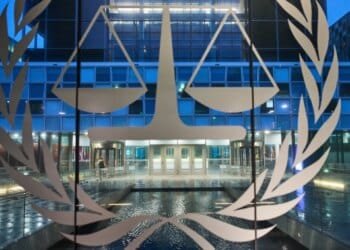
The United Kingdom’s new Labour government faces a key test of its foreign policy towards Gaza ahead of a deadline for a potential legal challenge against arrest warrants the International Criminal Court (ICC) is seeking for Israel’s top leaders.
In May, ICC Prosecutor Karim Khan applied for arrest warrants for Israeli Prime Minister Benjamin Netanyahu and Defense Minister Yoav Gallant for alleged war crimes committed during Israel’s war on the Gaza Strip. He also sought warrants for three Hamas leaders over alleged war crimes committed during the October 7 attacks on southern Israel.
The UK has not issued a formal challenge to the arrest warrants yet. The former Conservative government had only managed to gain court approval to submit arguments before the July 4 UK elections, which the Tories lost, leaving the challenge up in the air. The ICC first gave the UK government time until July 12 to file a legal opinion. That was then extended to Friday, July 26.
Since winning a landslide victory three weeks ago, the Labour Party and its new government have announced a series of shifts from the policies previous administration.
It has, among other things, scrapped a plan to deport asylum seekers to Rwanda and announced a 40-bill agenda setting out the next five years in government.
Yet, questions remain over Prime Minister Keir Starmer’s policies on the Gaza war, in particular.
So what has the UK’s position been, when it comes to the ICC prosecutor’s request for warrants against senior Israeli leaders? And has the Starmer government signalled any change in its approach towards Israel and Gaza?
According to court documents, the Conservative government’s lawyers argued that there were questions to be answered about the ICC’s jurisdiction over Israeli nationals before an arrest warrant could be issued.
The lawyers made this argument in relation to the Israeli leaders only, not the Hamas leaders.





 United Arab Emirates Dirham Exchange Rate