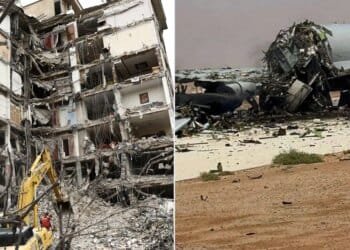
Beirut, Lebanon – On Friday evening, Mariam* was in her apartment with her teenage daughter and mother when her building began rumbling and shaking. Agonising screams and the buzzing of Israeli warplanes soon followed.
Israel had just launched a major air attack that killed Hezbollah’s leader Hassan Nasrallah, as well as an unknown number of civilians in Dahiyeh, the southern suburb of Lebanon’s capital Beirut.
Shortly after the strike, Israel called on thousands of civilians to “evacuate” from Dahiyeh, claiming they were living near Hezbollah operation centres.
Mariam quickly packed a few bags of clothes and fled to downtown Beirut, where she is now sleeping on the steps of a mosque with hundreds of other people displaced from her community.
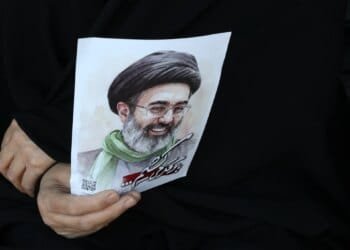
But while Israel has upended her life, she said that nothing compared to the anguish of losing Nasrallah.
“When I first heard the news, I thought it was a lie. I thought, ‘It can’t be true’,” she told media, holding back her tears. “Nasrallah was our brother and we always felt safe with him. Now, we don’t know what will be our fate.”
Nasrallah became Hezbollah’s leader after Israel assassinated his predecessor, Abbas al-Musawi, in 1992. Al-Musawi, his wife and five-year-old son were killed by an air strike on their home.
Once Nasrallah took over, he quickly began expanding Hezbollah from a rebel movement to one of the most powerful armed groups in the world as well as a formidable bulwark against Israeli aggression.
Under his stewardship, Hezbollah liberated south Lebanon from Israel’s 18-year occupation, lending him the status of a hero throughout the region.


 United Arab Emirates Dirham Exchange Rate