Transcendent moments in geopolitics that reverberate around the world are no longer just forged in the streets or inside situation rooms. They are increasingly engineered in the digital sphere, where actors, often with a self-serving agenda, compete to control the narrative, define its meaning and decide who speaks for whom.
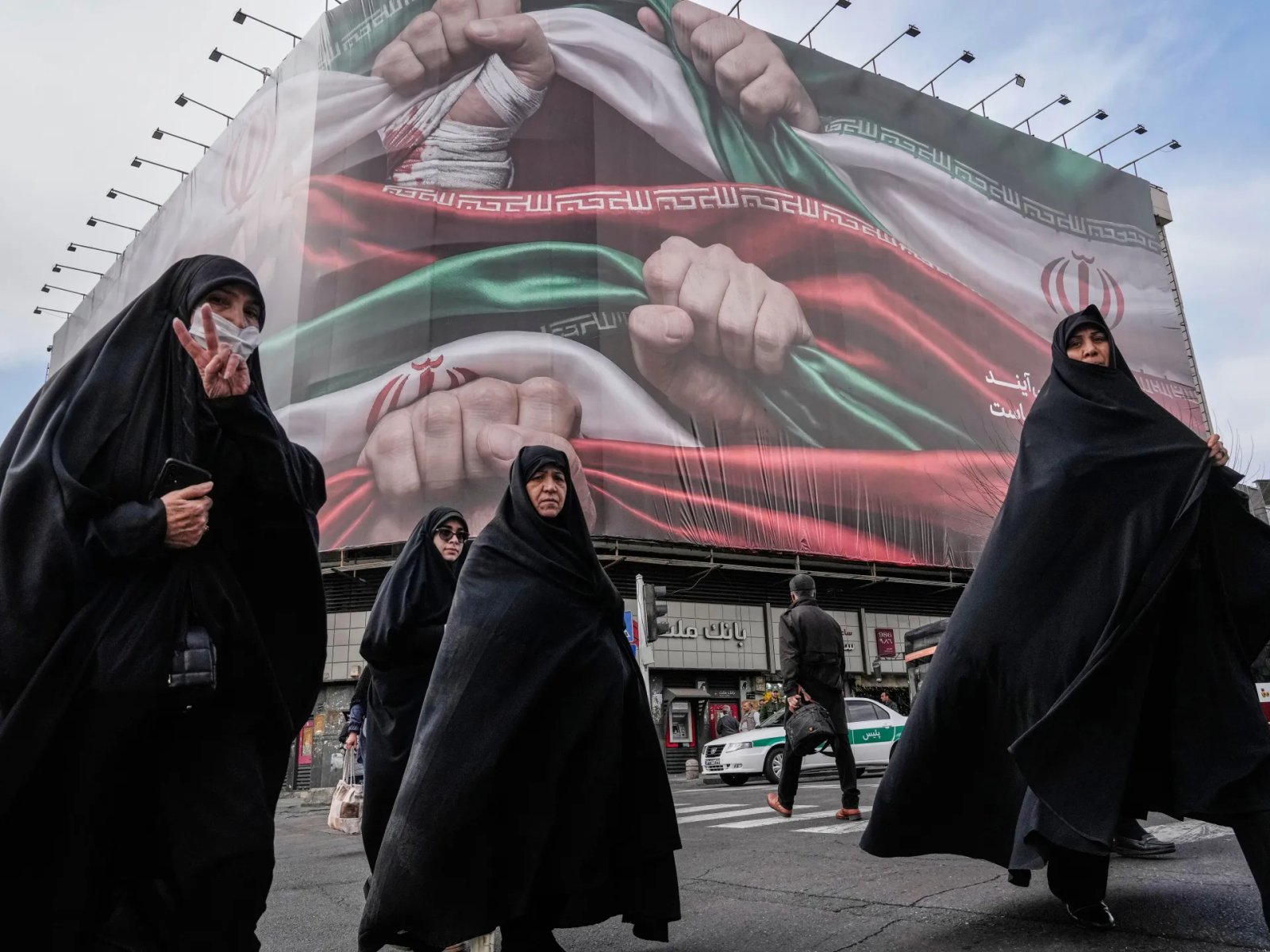
In recent weeks as protests erupted in Iranian cities, the hashtag #FreeThePersianPeople trended on X. The campaign was accompanied by a flood of posts heralding an imminent “decisive moment” in Iran’s history and presenting themselves as the authentic voice of the Iranian people.
However, an extensive data analysis by media reveals a different picture.
Tracking the sources of this interaction and its dissemination paths uncovers that the digital campaign did not originate organically from within Iran.
Instead, it was spearheaded by external networks – primarily accounts linked to Israel or pro-Israel circles – that played a central role in manufacturing momentum and steering the discourse toward specific geopolitical goals.
The data associated with the campaign reveals a striking anomaly in how the hashtag spread, indicative of artificial amplification.
media’s analysis found that 94 percent of the 4,370 posts analysed were retweets compared with a negligible percentage of original content.
More significantly, the number of accounts producing original content did not exceed 170 users, yet the campaign reached more than 18 million users.
This massive gap between the limited number of sources and the vast reach is a hallmark of coordinated influence operations, often referred to as “astroturfing”, in which pre-packaged messages are amplified to create the illusion of widespread public consensus.






 United Arab Emirates Dirham Exchange Rate