
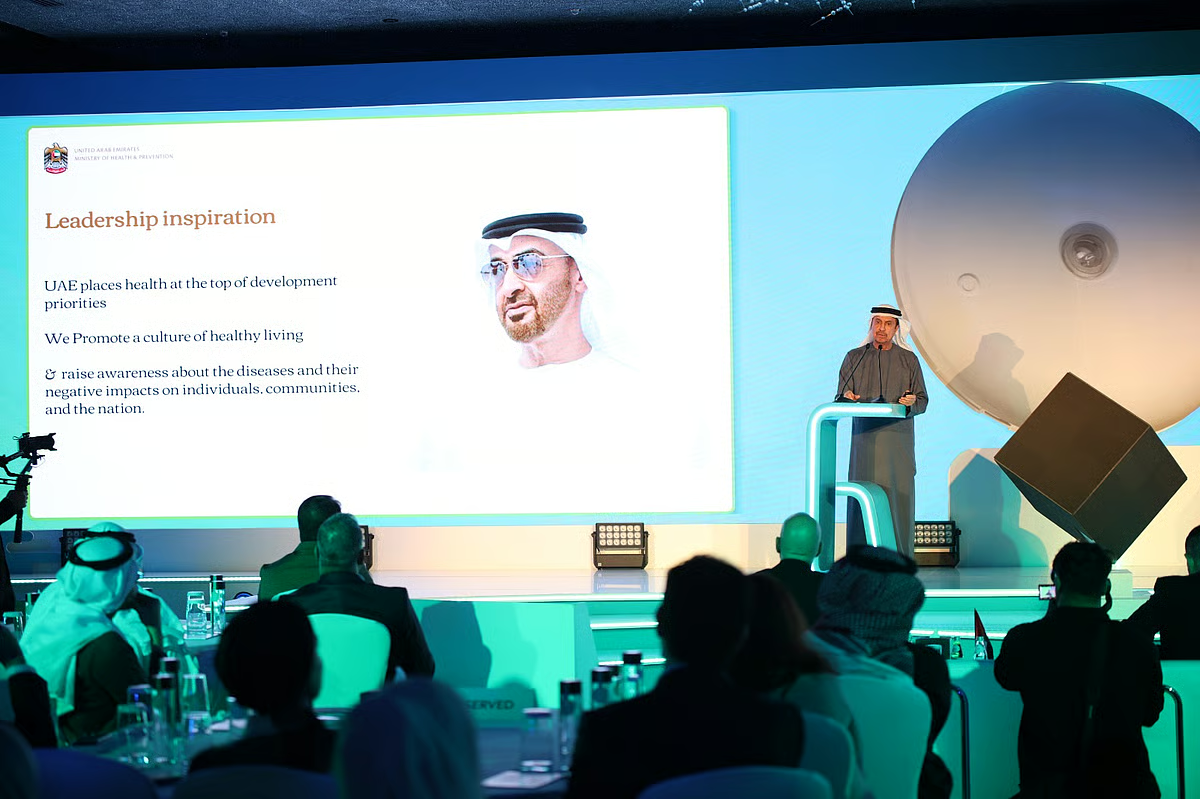
Roche’s Accu-Chek SmartGuide, launched in Dubai, uses predictive algorithms to transform diabetes management from reactive to proactive, aligning with UAE Health Vision 2030.
In a strategic move to tackle one of the Gulf’s most pressing health crises, Roche Diagnostics has launched an AI-powered continuous glucose monitoring (CGM) system in the UAE, aiming to redefine care for the nation’s 1.3 million adults living with diabetes.
The system, Accu-Chek® SmartGuide, was unveiled in Dubai last week, shifting the paradigm from reacting to glucose spikes and drops to predicting them. It offers a 30-minute warning for hypoglycaemia, a two-hour glucose forecast, and an overnight risk assessment of up to seven hours.
“We have reached a point where reactive diabetes care is simply no longer sustainable,” said Guido Sander, General Manager of Roche Diagnostics Middle East. “When prevalence is this high, waiting for problems to happen is costly for patients, families, and healthcare systems.”
The launch underscores a critical alignment with national health objectives. Dr Hussein Al Rand, highlighting the UAE Health Vision 2030, stated, “Innovation in healthcare is not just about technology. It is about improving lives, preventing disease, and building a healthier and more resilient nation.”
Diabetes prevalence in the GCC is among the highest globally, driving long-term complications like cardiovascular disease, kidney failure, and nerve damage. Traditional care models, reliant on brief consultations and historical data, have struggled to manage this scale effectively.
“Diabetes is not just about numbers on a screen,” Sander explained. “It affects how people sleep, work, and live. Our responsibility is to reduce uncertainty and give people back a sense of control.”
The system’s AI algorithms analyze real-time data to provide forward-looking insights, empowering patients to make preemptive adjustments to diet, activity, or medication. This proactive management is crucial for maintaining time-in-range—a key metric linked to dramatically lower rates of costly complications.
As AI integrates deeper into healthcare, the platform addresses growing concerns around trust and data governance. Roche positions SmartGuide strictly as a clinician support tool, requiring explicit user consent and employing secure data handling protocols.
“AI should support better conversations, not replace them,” Sander noted. The anonymized, aggregated data also offers health authorities a powerful tool to evaluate outcomes and optimize care pathways on a systemic level.
For patients, the impact is profoundly personal. “The biggest difference patients talk about is peace of mind,” Sander added. “Moving from constant reaction to informed anticipation changes how people feel about living with diabetes.”
With diabetes imposing a near $1 trillion burden on global health systems annually, predictive technologies like SmartGuide are being positioned not as a luxury, but as a necessary evolution for sustainable healthcare.







 United Arab Emirates Dirham Exchange Rate