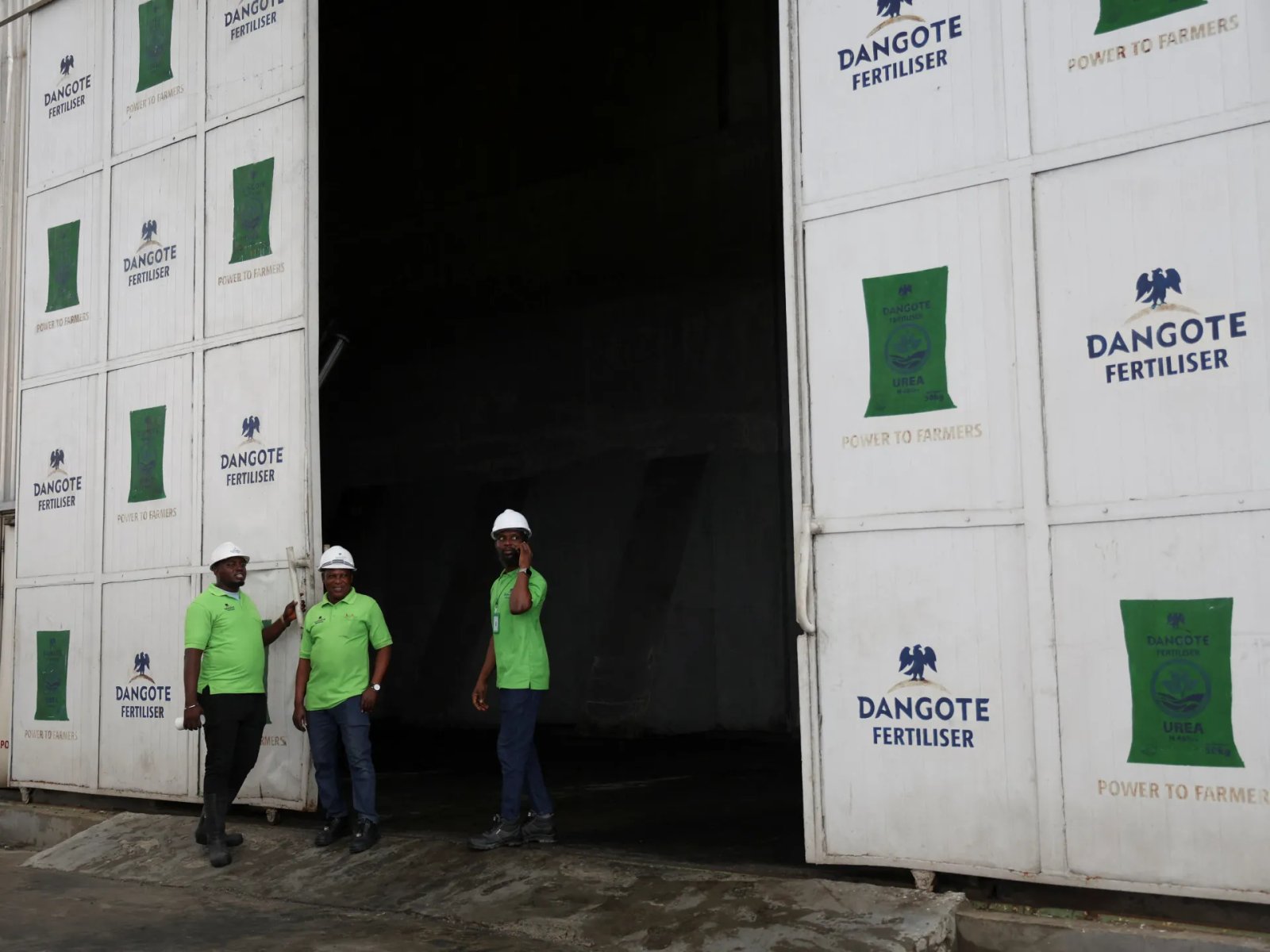
Food security in Africa could face major disruptions due to continuing uncertainty in the Strait of Hormuz.
The conflict between the United States, Israel and Iran is disrupting global fertiliser trade flows – and this stands to leave millions of African farmers without the ammonia, urea, phosphate, sulphur and other fertiliser inputs vital to growing more food in sub-Saharan Africa.
Fertiliser shipments passing through the Strait of Hormuz account, for example, for roughly one-quarter of global ammonia trade and more than a third of seaborne urea. Even the slightest perceived risk can drive up fertiliser prices, stall shipments and cause a seismic shift in food price inflation.
This food insecurity scenario is not new: COVID-19 pandemic disruptions and the war in Ukraine drove fertiliser prices to record highs, exposing how dependent we have become on a handful of export hubs and bottlenecked transport routes.
About 80 percent of fertiliser used across sub-Saharan Africa is imported, often at prices much higher than in Europe due to freight, financing and logistics. When global supply falters, Africa’s farmers often feel the economic shocks the hardest. For many governments, fertiliser security is tied to food security, which, in turn, is linked to economic and social stability.
Africa’s smallholder farmers are at the forefront of this crisis. They produce nearly 70 percent of sub-Saharan Africa’s food, and unlike large commercial farms which have the cash to secure a supply earlier, smallholder farmers often have limited fertiliser options or face steep price hikes.
According to the Food and Agriculture Organization, even a 10 percent reduction in fertiliser availability could result in up to 25 percent less maize, rice and wheat grown in sub-Saharan Africa. This could trigger food inflation of up to 8 percent on the continent.
In 2022, the African Development Bank Group launched the $1.5bn African Emergency Food Production Facility to help countries respond to supply disruptions amid the war in Ukraine. The initiative has supported nearly 16 million smallholder farmers in 35 countries with climate-smart seeds and fertiliser, helping generate 46 million tonnes of food worth about $19bn, with nearly $323m in cofinancing from international partners.
Having delivered 3.5 million metric tonnes of fertiliser to date, the facility is rolling out a second phase that supports a shift from immediate emergency relief to consolidating, scaling up and institutionalising long-term national food sovereignty. This African-created solution has a role in helping African countries mitigate fertiliser flow uncertainty in the Strait of Hormuz.





 United Arab Emirates Dirham Exchange Rate