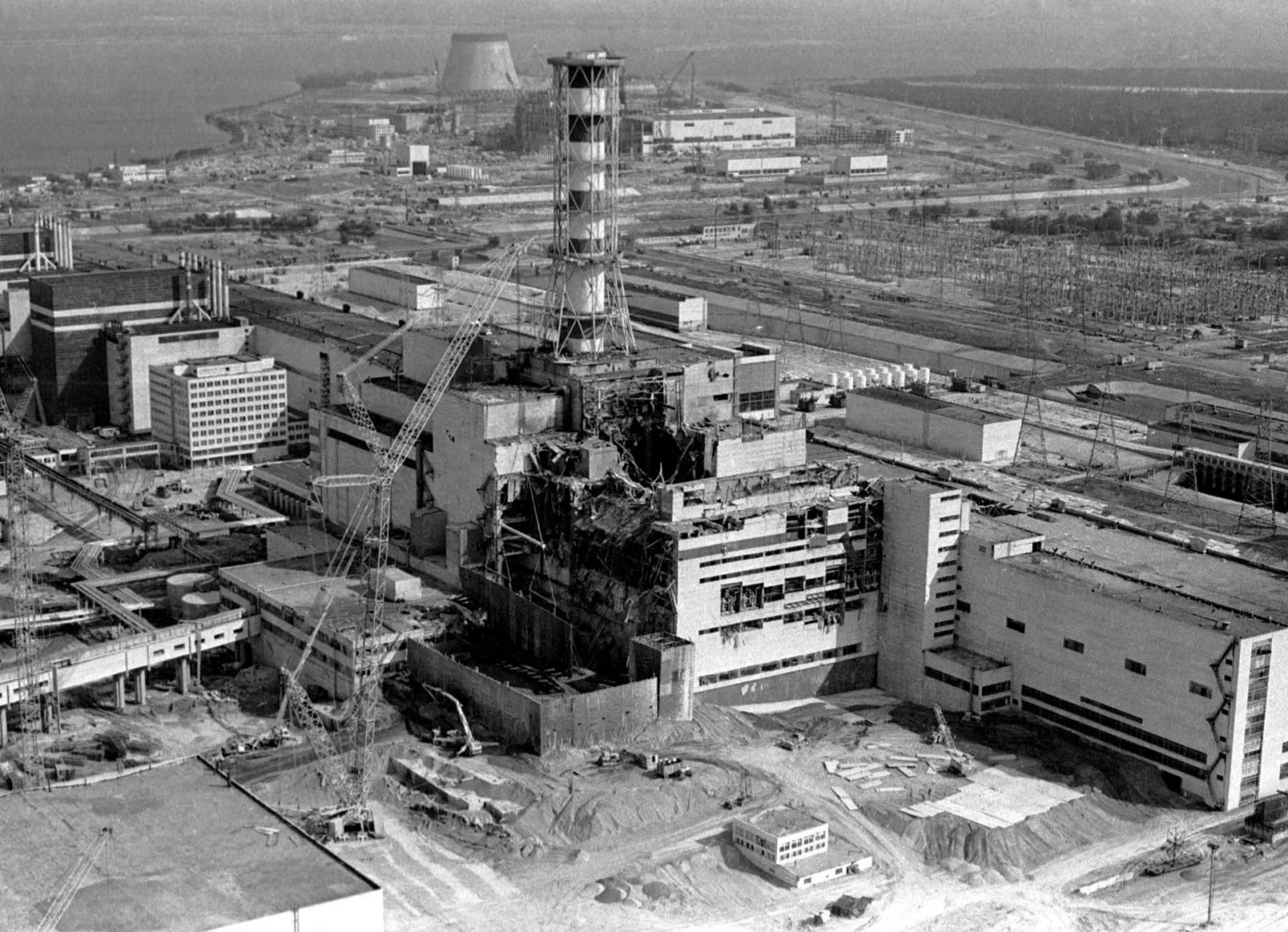
Forty years ago, a reactor exploded in the Chornobyl Nuclear Power Plant in what was then the Soviet Republic of Ukraine. At least 30 people were killed in the immediate aftermath. The large amounts of radioactive particles released as a result of the explosion travelled in clouds across Ukraine, Belarus and Russia and then spread to other parts of Europe.
It is estimated that tens of thousands have died since then due to radioactive exposure that triggered lethal diseases, including cancer. The frequency of birth defects increased between 200 and 250 percent in affected areas. Hundreds of thousands of people were forced to abandon their homes.
Chornobyl is not history. It is a lived reality of radioactive contaminated land that cannot be farmed, homes that cannot be returned to, thousands of people with lasting health impacts, and costs that continue to mount across generations.
The lesson is clear. When nuclear systems fail, the consequences are long-lasting, widespread, and extraordinarily difficult to manage. The damage does not end when headlines fade. Today, that lesson is no longer confined to accidents. It is being amplified by acts of war.
On the 40th anniversary of the Chornobyl disaster, the world faces another risk of a nuclear disaster as nuclear sites in Ukraine and Iran are threatened.
In Ukraine, there has been continuous military activity near nuclear sites, such as attacks on the electricity grid, the illegal occupation of the Zaporizhzhia Nuclear Power Plant and recent damage to the New Safe Confinement structure caused by the Russian drone attack at Chornobyl.
In Iran, multiple nuclear sites have been repeatedly bombed. The International Atomic Energy Agency has also confirmed that US-Israeli strikes hit within 75 metres of the Bushehr Nuclear Power Plant.
At the same time, the war on Iran has exposed the fragility of the global fossil fuel system, just as the Russian invasion of Ukraine did in 2022. Disruptions to key global trade routes such as the Strait of Hormuz have sent oil and gas prices soaring, driving up the cost of transport, food and energy for millions of households all over the world that are already dealing with a prolonged cost-of-living crisis. No one should be forced to pay higher bills because of a war they have nothing to do with, yet this is precisely how fossil fuel markets operate.
These are not separate crises. They point to the same structural problem.






 United Arab Emirates Dirham Exchange Rate