
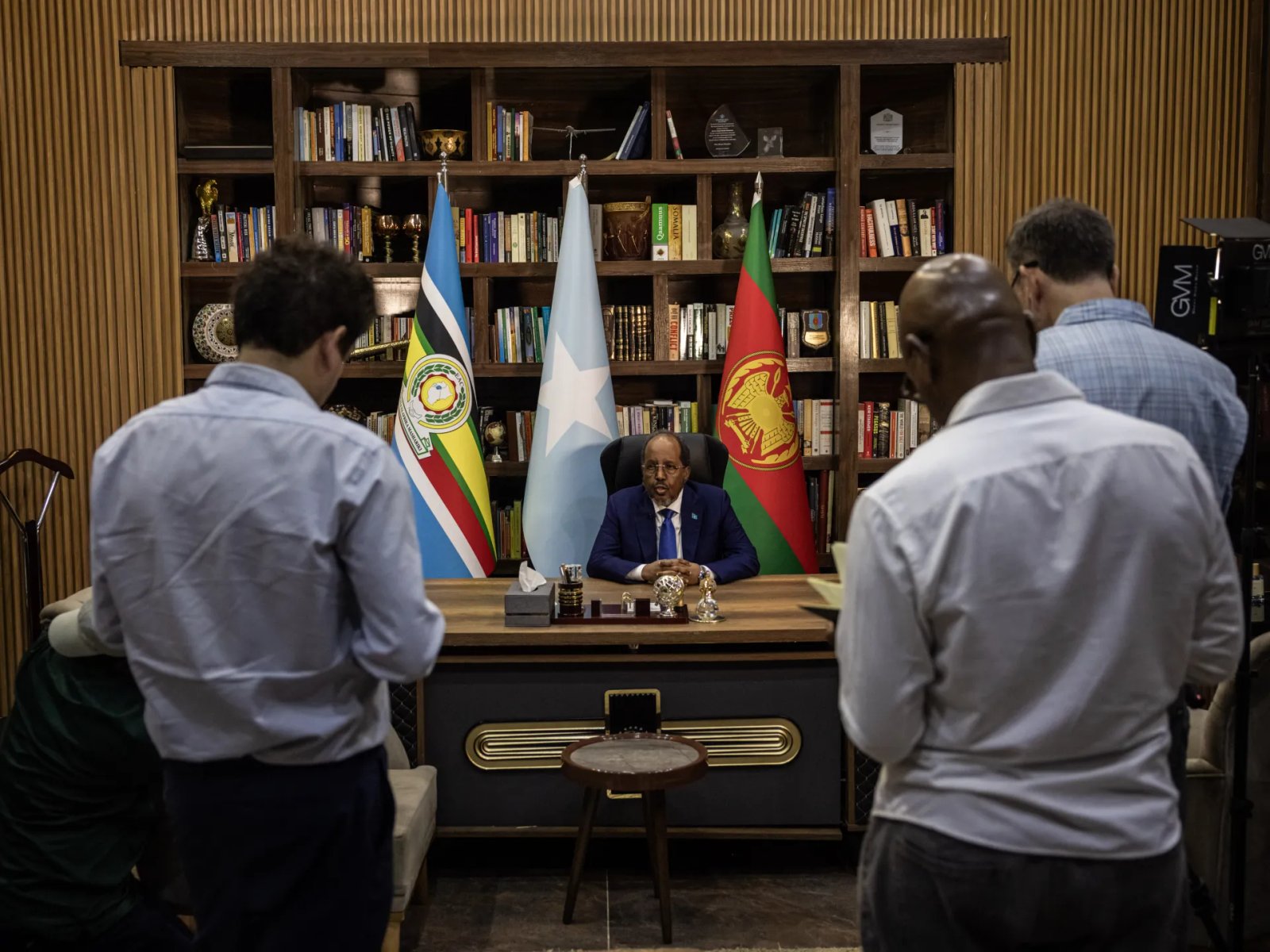
In international politics, the platforms a country sits on often matter as much as what it says. For decades, Somalia was largely the subject of global security discussions, rarely a decisive participant in them. Today, that reality is changing in ways that carry symbolic weight and practical consequences.
Somalia’s recent election to the African Union Peace and Security Council (AU PSC), alongside its membership in the United Nations Security Council (UNSC), marks a turning point in its diplomatic trajectory. For quite some time, Somalia was merely being discussed in the world’s most influential security forums. It is now shaping the agenda on the table.
This shift reflects more than a procedural achievement. It signals the maturity of Somalia’s diplomatic and security institutions, and the steady rebuilding of its international credibility after decades of conflict and state fragility.
For much of the past three decades, decisions affecting Somalia’s security were often made in rooms where Somali voices were either absent or marginal. External actors debated intervention strategies, sanctions regimes, peacekeeping mandates, and humanitarian responses, while Somalia struggled with internal instability.
This membership in the UNSC and AU PSC changes that dynamic fundamentally. These bodies are not symbolic; they make binding decisions, adopt resolutions, authorise peacekeeping operations, and shape international legal frameworks. For Somalia, this may seem something simple, but its impact is profound. Somalia is now part of the process that determines policies affecting its own security and development.
That participation strengthens state-building in several ways. It reinforces institutional capacity within Somalia’s foreign policy apparatus, promotes transparency and accountability through engagement with multilateral norms, and aligns Somalia more closely with international legal and diplomatic standards.
Somalia is transitioning from being a recipient of international decisions to becoming a contributor to them. Somalia’s role on these councils also carries representational significance beyond its own borders.
As a member of the UNSC and AU PSC, Somalia now occupies a rare diplomatic position. It simultaneously represents the interests of the African continent, the Arab and Muslim world, and the least developed countries (LDCs). The concerns of these categories of states have often been overshadowed by the priorities of more powerful nations. Somalia now stands for them.
Somalia’s own first experience in rebuilding institutions after conflict, managing complex security transitions, and balancing sovereignty with international cooperation enables it to advocate not only for itself, but also for broader principles: Inclusive peace processes, sustainable development approaches to security, and equitable participation in global decision-making.





 United Arab Emirates Dirham Exchange Rate