By Ghulam Haider
At least 22 people, including children, have lost their lives in stampedes for subsidized food aid across Pakistan’s cities of Karachi, Lahore, Faisalabad, and Multan.
At least 12 people, including women and children, were killed and several others injured in a deadly stampede at a Ramzan food distribution centre in Pakistan’s port city of Karachi last Friday. The stampede took place after some people unknowingly stepped on a live wire where food was being distributed, leading to the tragedy.
Similarly, 11 other people, including women, have died while trying to get free or subsidized flour from government distribution outlets in Pakistan’s Punjab province in recent days.
Hundreds of people gather daily at flour distribution centres across the country to get subsidized wheat flour, with some being part of a government-sponsored program to ease the impact of inflation – the highest since December 1973.

Distribution Marred by Chaos
The skyrocketing prices of daily-use commodities, particularly the staple food of wheat, pulses, edible oil, fruits, and vegetables, have become out of reach for many low-income families, exacerbating their miseries. The government’s attempts to ease the burden through subsidized food aid programs are falling short, with many people being left out and the distribution process marred by chaos and stampedes.
The situation is further compounded by the shortage of food and water in drought-hit regions, leaving many people with no choice but to resort to desperate measures to survive. Despite repeated promises, the government has failed to bring down the prices of daily-use commodities, leaving the people at the mercy of market forces.
Rising Crime-Inflation Nexus
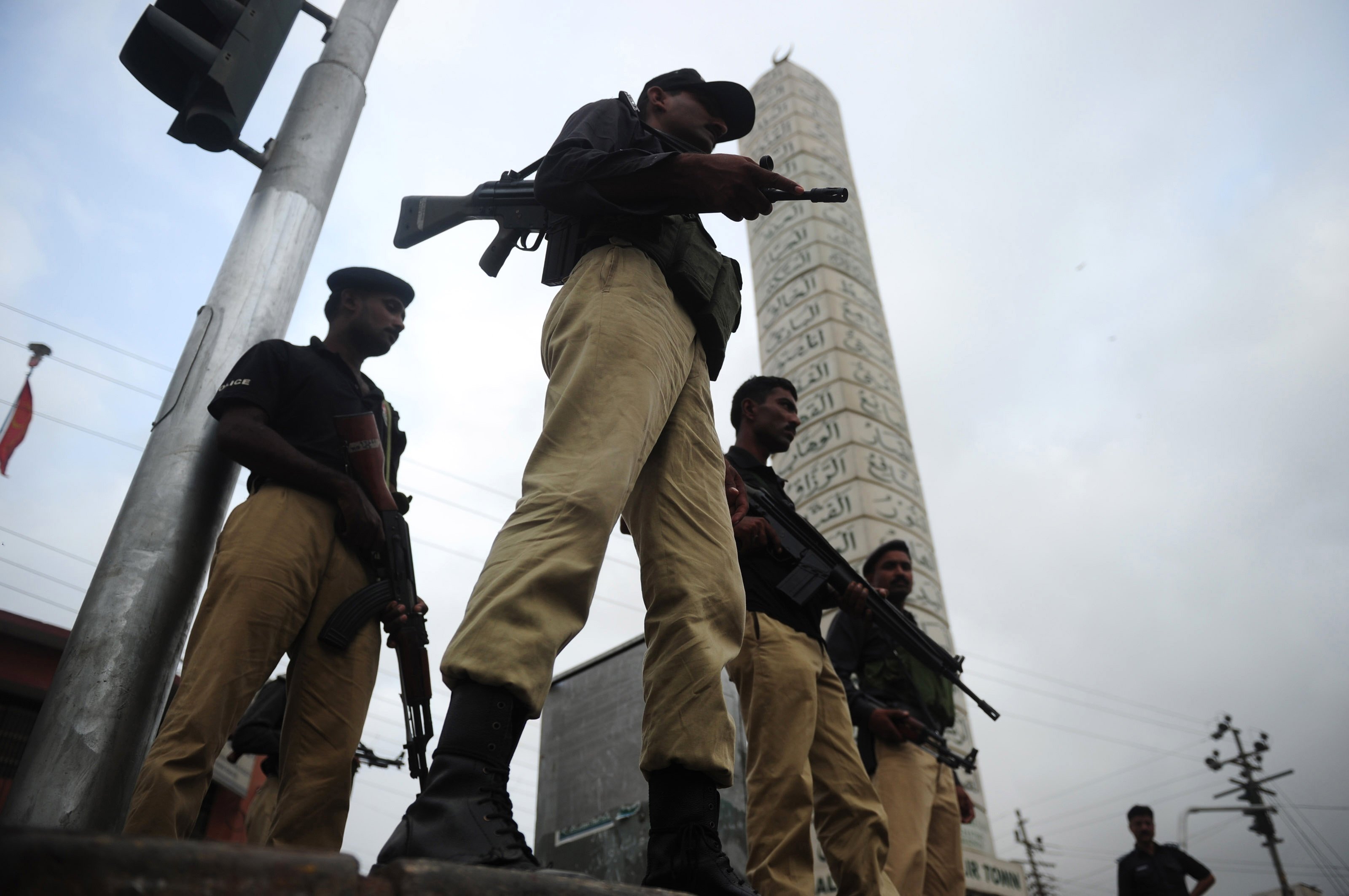
Citizen Police Liaison Committee (CPLC), in its report published earlier this year, indicates an alarming increase in street crimes in Pakistan, especially in Karachi. The report states that “around 36,320 mobile phones and 34,000 vehicles were stolen in the city” in the first ten months of the year alone. Street crime has increased at a frightening rate during the last year, and this is after the Sindh Police set up the ‘Street Watch Force’ for the prevention of street crimes in Karachi.
According to the Crime Statistics of Pakistan, there has been a rapid increase in the number of street crimes reported in Pakistan over time. Several factors are responsible for this increase in street crime – major being high unemployment, a general increase in poverty, and a rising rate of inflation. Some other non-economic factors are also responsible.
Studies show that there is a direct relationship between inflation, unemployment, and crime rate. They indicate that people will take up criminal activities if it is difficult for them to maintain a particular lifestyle due to increasing inflation and general unemployment. According to these studies, unemployment is like a shock effect that leads to an individual engaging in criminal activities.
Worsening Economic Chaos
The free food distribution initiative has been launched by Pakistan’s Prime Minister Shehbaz Sharif at a time when the country is in the midst of a severe economic crisis. Pakistan has been negotiating with the IMF for the release of a USD 1.1 billion bailout package since February but has so far met with little success due to the stringent conditions imposed by the Washington-based lender. The funds are part of a USD 6.5 billion bailout package the IMF approved in 2019, which analysts say is critical if Pakistan is to avoid defaulting on external debt obligations.
The weekly inflation level in Pakistan has touched an all-time high of 45 per cent. Pakistan is also scrambling to increase its forex reserves, which are currently estimated to be at USD 4.2 billion, according to the country’s central bank.
Govt Inaction Draws Criticism
The government’s response to the crisis has been criticized as inadequate, with many calling for more urgent and effective measures to alleviate the suffering of the people as its inaction and failure to provide relief to Pakistan’s people have further aggravated the already dire situation.
Though government officials have also promised to increase the supply of subsidized flour to prevent such incidents in the future. However, critics have pointed out that this is only a temporary solution and that the government needs to address the root causes of the problem.
The high prices of commodities are the result of a combination of factors, including a shortage of supply due to crop failures, inflation, and the devaluation of the Pakistani rupee. In addition, corruption and mismanagement in the distribution of food aid have exacerbated the situation, with some reports suggesting that the aid is not reaching the people who need it the most.







 United Arab Emirates Dirham Exchange Rate